




To date, Miles users have earned 375 million miles, redeemed more than 55,000 rewards — with an average value of $20 per reward.
Miles CEO discusses gamification of green travel
Launched last year, the platform and app rewards users for using eco-friendly forms of transportation, including transit and biking.
August 1, 2019

Shah
5 min to read
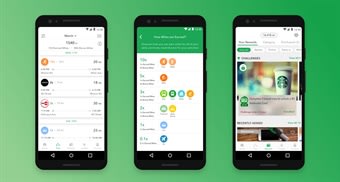
Screen shot of Miles app.
Launched last year by CEO Jigar Shah and Paresh Jain, Miles is a rewards platform and app that delivers value for every mile traveled. Users who choose alternative modes of travel or eco-friendly forms of transportation — such as walking, biking, carpooling, or transit — are rewarded even more.
METRO had a chance to talk to Shah, who discussed the app, how it works, and what its impact has been in communities where it is being piloted.
What is Miles? What inspired you to create the company?
Miles is the world’s first universal miles earning program — introducing a bold new concept that all modes of transportation should accrue value for people. Available on Android and iOS, the Miles platform and app allows anyone with a smartphone to earn miles for all of their travel — with greener modes of transportation such as public transit, biking, or walking, rewarded even further.
Since launching last summer, Miles has quickly built momentum with rapid adoption by tens of thousands of consumers nationally. To date, Miles users have earned 375 million miles, redeemed more than 55,000 rewards — with an average value of $20 per reward. Miles is also partnering with several cities and transit providers to promote greener travel including Caltrain and SamTrans, the City of Sacramento, Sacramento Regional Transit, and the Contra Costa Transportation Authority, among others.
The big idea that led to the launch of Miles was to build a universal rewards platform built for the shared economy. Every year, the average person travels thousands of miles via some form of transportation. And yet, despite this, mobility is a universal behavior that largely goes unrewarded. Existing rewards programs are also siloed and limited to one form travel — with consumers facing exclusions when it comes to earning and redeeming rewards.
Our vision for Miles is bold and unwavering: to deliver value for every mile traveled, acros

Shah
s every mode of transportation, anywhere in the world.
How does Miles work? What are the benefits for commuters and transit providers?
Designed to work seamlessly in the background, Miles automatically logs each trip from point A to B and the mode of transportation, while keeping data completely private. Users can easily view their miles earned per trip, and receive personalized rewards with more than 125 leading brands across categories — redeemable either online or at a nearby store.
Transit providers are able to hold daily and weekly carpool, transit, or bike challenges to incentive users to choose greener forms of transportation, or discover new locations in the city to earn miles even faster. Users can earn additional rewards, such as an Amazon or Starbucks gift card, or other discounts from local retailers and merchants.
Miles platform also provides city and transit partners with valuable insights to assist with transit planning. By using the Miles analytics dashboard, transit authorities can look at travel patterns in aggregate to better understand and nudge alternative, more sustainable transportation behavior.
How do you ensure user privacy?
Privacy is an important focus area for us at Miles, and core to our promise to users. Location and trip data collected via the Miles app is completely private, and used anonymously and in aggregate, to present personalized rewards and offers from brands, retailers, and local merchants inside the app.
City and transit partners can also look at travel patterns in aggregate to better understand and nudge local commuters to choose greener travel. At no time is personal information shared with any third party. (For more information on Miles’ approach to privacy, see its blog post here.)
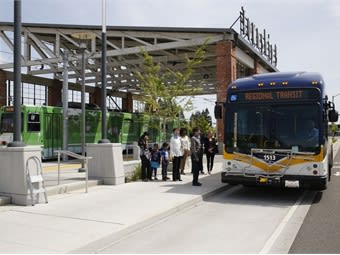
The primary goals of the pilots underway, including at Sac RT, are to increase ridership, incentivize green and sustainable travel, and reduce traffic congestion.
Sac RT
Miles recently partnered with Caltrain and SamTrans, as well as Sacramento and SacRT, and Contra Costa Transportation Authority; discuss the goals for each pilot, and some of the initial results.
The primary goals of the pilots underway with cities and transit providers are to increase ridership, incentivize green and sustainable travel, reduce traffic congestion, and increase transit trips during off-peak hours.
While it’s still early, the Miles platform has already made a positive impact. Nationwide more than 80% of Miles users are opting for some form of green travel such as carpooling, public transit, biking, or walking as a part of their daily commute.
As a result of our pilots and local market challenges with our transit partners, we’ve also seen a positive shift by local users — with an increased transit ridership and travel by sustainable modes, such as bus, train, biking, or walking, and use of park-and-ride.
For example in May and June, both Sacramento and Contra Costa Transportation Authority held a series of local market challenges with Miles to encourage local transit trips during the work week with rewards such as $5 Amazon or Starbucks gift cards. As a result, both partners saw a 3 to 4% increase in transit trips, based solely on local users who completed weekly challenges, as well as broader mode shift by users toward greener travel.
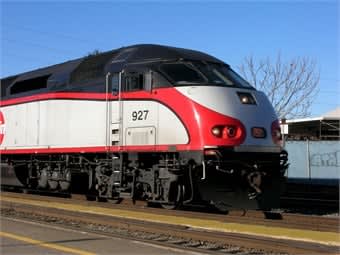
SamTrans and Caltrain riders will be eligible to compete in special public transit challenges to earn additional rewards, such as Amazon or Starbucks gift cards, tickets to local events, and special offers from local retailers and merchants.
Chris Enright
What are the biggest opportunities and technology trends that will impact transit providers in the future?
Together with our city and transit partners, Miles is helping incentivize greener travel, reduce traffic congestion, and increase ridership through local rewards and challenges.
Miles encourages using local transportation services by offering a bonus reward for greener forms of travel. Taking the local bus or subway to your destination earns you more miles than if you drive there.
For cities, there are few tools available to help nudge riders to use public transit or stay off of highways during commute times. By providing predictive AI around mobility patterns for commuters, Miles empowers cities and transportation partners to better anticipate customer needs and present relevant incentives.
In addition to offering incentives, cities, and transit providers will have an aggregated view of traffic behavior and how people are moving from point A to point B, as well as receive various insights such as first mile, last mile data to help them plan transit lines, frequency, additional alternative modes, and much more.
Helping cities shape their vision to reduce traffic congestion, improve air quality, and offer a sustainable mode of travel helps us address a genuine need for our existence. Our goal at Miles is to help cities and transportation providers across the country and globally.
More Technology

From Hardware to Digital Partner: Luminator Charts Its Next Chapter
CEO Magnus Friberg discusses Luminator’s shift toward becoming a digital partner, the growing importance of software and interoperability, and how AI can help agencies improve operations and passenger experience.
Read More →
Beyond the Checklist: A Structured Approach to Transit Maintenance
Reliability-Centered Maintenance helps transit agencies move beyond routine checklists to focus limited resources on the assets and failures that have the greatest impact on safety, reliability, and service.
Read More →
NJ TRANSIT Advances Bus Technology Upgrades Across Statewide Fleet
More than 1,500 buses now feature upgraded technology designed to improve arrival predictions and provide free Wi-Fi, with deployment expected to reach nearly 2,000 buses by the end of 2026.
Read More →

Building a Flexible Path to Transit Electrification
John Hroncich discusses BAE Systems’ modular and scalable approach, lessons learned from decades of real-world operations, and how agencies can identify electrification strategies that fit their fleets.
Read More →
Biz Briefs: Alstom Lands Canadian Contract, LYT to Supply California TSP, and More
In METRO's latest installment, we take a look at recent news from Complete Coach Works, Beep, FlixBus, and more partnerships making headlines across the transportation sector.
Read More →
Sponsored•September 8, 2026
From Legacy Silos to Conversational Intelligence
What if transit leaders could ask any operational question and get a trusted answer in seconds? Conversational AI is transforming how agencies use their data.
Read More →
USDOT Announces Rail Vehicle Replacement Grants, Chattanooga AV Shuttle Funding
More than $191 million in federal funding will help three transit agencies replace aging rail vehicles and support a new autonomous shuttle service in Chattanooga.
Read More →
Bus Tech Talk: Keeping Transit Technicians Ahead of the Technology Curve
LA Metro’s Obed Mejia discusses technician training, evolving maintenance technology, fleet replacement, and strategies for getting the most out of today’s transit fleets.
Read More →
Biz Briefs: RIPTA Unveils New Frontrunners, Clevland RTA Adds New Siemens, and More
In METRO's latest installment, we take a look at recent news from Siemens, Prevost, Dodge, and more partnerships making headlines across the transportation sector.
Read More →
Why Simulating Pedestrian Movement Has Become Essential for Modern Rail Stations
Pedestrian microsimulation is helping rail planners identify bottlenecks, test station designs, and prepare complex transit hubs for growing passenger volumes.
Read More →