



INIT mobility app assists visual, hearing, and mobility impaired riders
Includes a travel companion request, which sends a notification to the driver indicating the level of assistance the rider requires.


The ASSISTIVEtravel app aids impaired riders at all stages of their bus trip. INIT

INIT's new ASSISTIVEtravel app aids impaired riders at all stages of their bus trip. iStock/Rich Legg
INIT Innovations in Transportation Inc., provider of ITS solutions for public transit, launched an app offering personalized ride-hailing assistance and journey guidance for riders with visual, hearing, and mobility impairments. The ASSISTIVEtravel app aids impaired riders at all stages of their bus trip.
Before arriving at the bus stop, the rider launches the app to view a list and map of all the bus stops closest to them. The rider is also able to see closest stops with exact distances through the virtual reality function. The map, as well as the augmented reality features, can be automatically disabled for those with visual impairments allowing them to have a simplified layout of the app for easier text-to-speech navigation.
When the rider selects their stop, a view of all bus departures for that stop is displayed. The rider can then select the desired bus and trigger the travel companion request which sends a notification to the driver indicating the level of assistance the rider requires.
The driver receives the rider’s request via his on-board mobile data terminal one stop before the user is to board. In addition, other information like the rider’s ability level is displayed. The driver has the option to notify a wheelchair rider about the availability of wheelchair space on-board the bus, and subsequently, prepare to assist them.
At the bus stop, the app boarding request triggers an on-demand external audio announcement of the service number for the visually impaired. For hearing impaired riders, the system transmits the internal announcements directly to a rider’s t-loop enabled hearing aids. This is very helpful for riders that use the T-loop feature, a magnetic, wireless signal available in most modern hearing devices. Once the rider is on-board, an internal audio announcement will always be broadcasted when approaching the next bus stop so they can prepare to alight. Throughout their journey, users receive trip status notifications from the app.
One of the key elements of the ASSISTIVEtravel app is that it is a stand-alone system. It communicates with the agency’s CAD/AVL System using an open interface. This enables an easy and transparent integration to any CAD/AVL system.
ASSISTIVEtravel was awarded by UITP with the Asia-Pacific Special Recognition Award and the UITP Innovation Award for the Mobility Assistance for the Visually Impaired and Selected Users project, a partnership between INIT and Land Transport Authority of Singapore where the app has been implemented with astounding results.
More Technology

What Transit Maintenance Facilities Should Know About Gas-Detection Placement
Proper gas-detector placement is critical to maintaining safety in transit maintenance facilities, requiring agencies to consider fleet fuel types, ventilation, shop operations, and ongoing equipment maintenance.

People Movement: Metrolink's Kettle Announces Retirement, Feakins to CEO at UZURV, and More
In this edition, we also cover recent appointments and announcements at King County Metro, SilverRide, and more, showcasing the individuals helping to shape the future of transportation.

Imagry, Endera Partner for Automated Buses, Luminator Teams with Avail, and More in Biz Briefs
In METRO's latest installment, we also take a look at recent news from RIDE, Alstom, and more partnerships making headlines across the transportation sector.

Amtrak Expands Airo Fleet with Eight Higher-Capacity Trainsets
The new 10-car trains, expected to enter service in 2031, will provide about 34% more seating capacity to meet growing demand on the Northeast Corridor.

Improving Transit Safety and Reliability Through AI
Hayden AI’s Chief Growth Officer, Charley Territo, discusses how AI-powered camera enforcement is helping transit agencies keep bus lanes and stops clear, improve accessibility, and move from pilot programs to full-scale deployments.
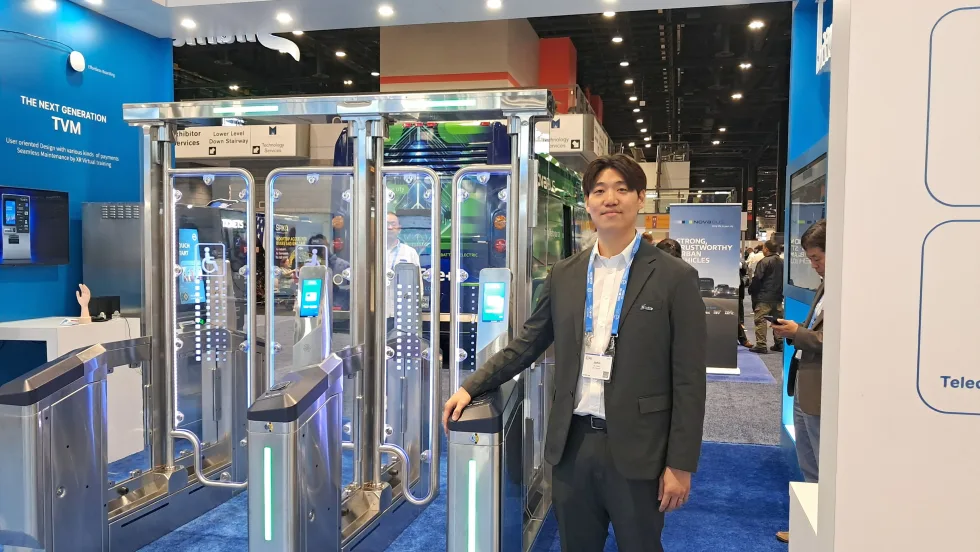
STraffic Expands North American Presence with Fare Collection Technology
John Moon, Associate Director, Product Strategy at STraffic, discusses the company's growth in North America, its efforts to reduce fare evasion, and more.
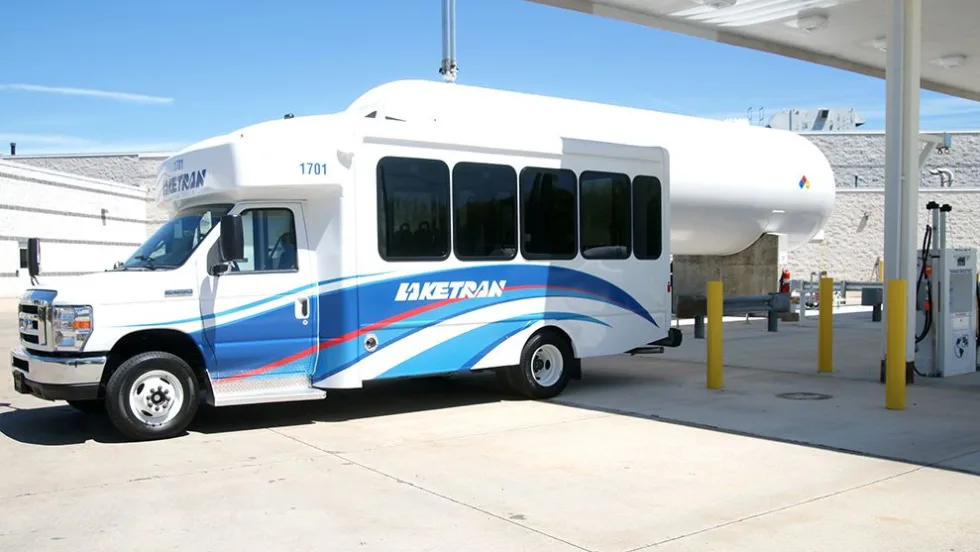
Laketran Cuts Fuel Costs, Boosts Efficiency with Propane-Powered Fleet
The Ohio transit agency is using propane-powered vehicles and on-site fueling infrastructure to cut fuel and maintenance costs while meeting growing demand for paratransit services.

Right-Sizing Rural Transit: Lessons from North Grenville’s On-Demand Model
A small municipality shows how flexible service, rider needs, and public accountability can expand mobility with limited resources.

Transit Expands Agency Partnerships, Reaching 200 Official App Partners
COO Jake Sion discusses Transit’s growth, the success of its Transit Royale program, and how technology is helping agencies improve the rider experience.
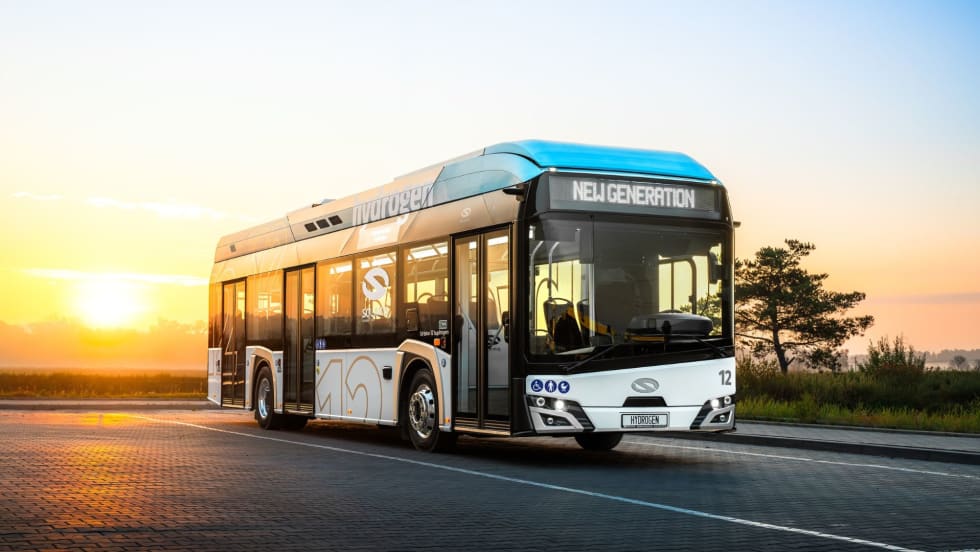
Biz Briefs: Ballard, Solaris Partner, New Flyer Receives Florida Order, and More
In METRO's latest installment, we also take a look at recent news from New Flyer, STV, Spare, and more partnerships making headlines across the transportation sector.