



STraffic Expands North American Presence with Fare Collection Technology
Deck: John Moon, Associate Director, Product Strategy at STraffic, discusses the company's growth in North America, its efforts to reduce fare evasion, and more.

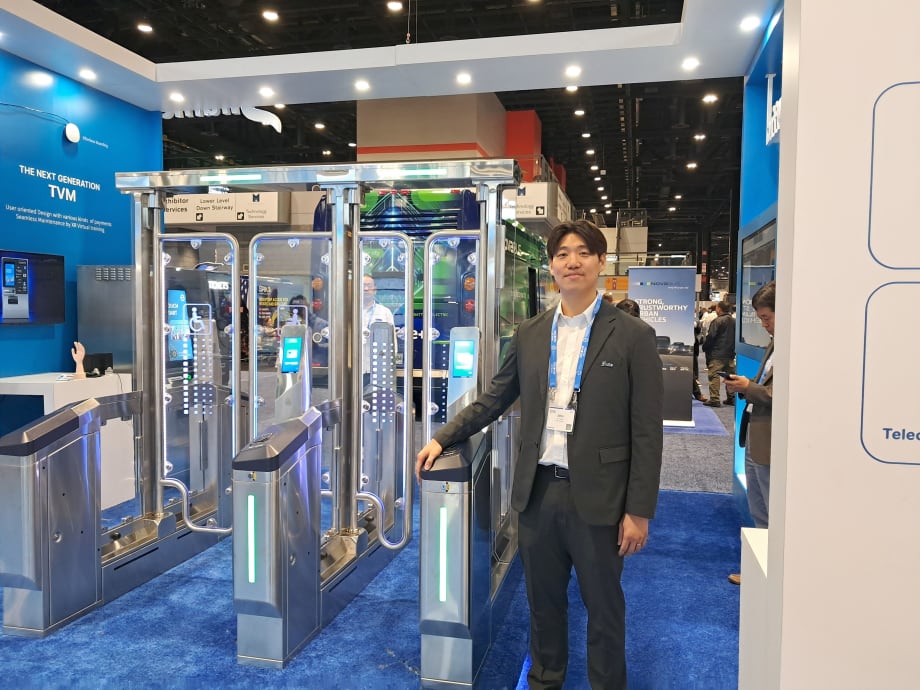
METRO Magazine spoke with John Moon, STraffic's Associate Director, Product Strategy, about the company's expansion into North America and much more.
METRO
- John Moon, Associate Director at STraffic, outlines the company's strategic growth initiatives in North America.
- STraffic is focusing on implementing fare collection technologies to enhance transit systems.
- Efforts are being made by the company to effectively reduce the incidents of fare evasion.
*Summarized by AI
South Korea-based STraffic is expanding its presence in the North American public transit market, bringing decades of experience in fare collection, intelligent transportation systems, and transit technology integration to agencies looking to modernize operations and address fare evasion.
Originally established as a spin-off from Samsung, STraffic built its expertise through work with Seoul Metro before expanding internationally with projects across Asia, Europe, and North America. The company's solutions include automated fare collection, toll collection, platform screen doors, and intelligent transportation systems.
Since entering the North American market in 2019, STraffic has worked with major transit agencies, including the Washington Metropolitan Area Transit Authority (WMATA), Bay Area Rapid Transit (BART), and LA Metro, supplying fare gates designed to improve security, reduce fare evasion, and integrate with existing payment infrastructure.
The company is also exploring new capabilities, including AI-powered fare-evasion detection, enhanced passenger guidance, and more compact gate designs to accommodate stations with limited space.
METRO Magazine’s Executive Editor Alex Roman spoke with John Moon, STraffic's Associate Director, Product Strategy, about the company's expansion into North America, differences between the U.S. and South Korean transit markets, and the importance of helping agencies modernize without completely replacing existing systems.
STraffic’s Entry into North American Market
METRO: To start, can you tell us a little about STraffic and how the company entered the North American market?
John Moon: STraffic is a Samsung spin-off that has developed its expertise over the years through partnerships with Seoul Metro and the delivery of numerous transit technology projects.
We are a global provider of integrated transit solutions, specializing in scaling and customizing technology to meet the needs of transit agencies. Our solutions include fare collection, toll collection, and intelligent transportation systems.
After becoming a publicly traded company in South Korea, we expanded globally, delivering platform screen doors and fare collection systems throughout Europe and Asia.
In 2018, we entered the North American market because we saw an opportunity to bring technology already being used successfully in South Korea to transit agencies in the U.S. Our goal was to localize that technology while sharing our expertise and project delivery experience.
Our first major project was with WMATA, where we helped address fare evasion. Through that project, we reduced fare evasion by 80%.
After that success, BART adopted our fare gates to address fare evasion, and we later delivered gates for LA Metro.
More recently, we've been working with New York's Metropolitan Transportation Authority (MTA) on a pilot program to test our fare gates at several stations. We're also among the finalists being considered as a fare gate supplier.
At APTA TRANSform, we also shared lessons learned from these projects and highlighted improvements we've made to our technology.
One improvement is incorporating AI-powered cameras to detect fare evasion and provide more accurate reporting. We've also added LED lighting to help guide passengers through the gates.
Another focus has been making our gates smaller and more adaptable. Transit agencies often have limited space, including historically significant stations where structural modifications can be difficult. We've responded by reducing the height and thickness of our gates to better accommodate those environments.
METRO: How does the North American transit market differ from other markets where STraffic operates, particularly South Korea?
Moon: Compared with South Korea, the U.S. public transit market tends to be more conservative when it comes to adopting new technology.
Seoul has a very high population density, even higher than New York City, so there's naturally strong demand for public transportation. Many people in South Korea don't own cars because they don't feel the need to.
From a Korean perspective, we see technologies already being used successfully in our transit systems that could be implemented relatively easily in the U.S.
For example, most buses in South Korea no longer accept cash. The system has evolved to support contactless payments, allowing passengers to tap credit cards or phones and reload their accounts conveniently.
That's the type of innovation we want to help bring to the U.S. market. We see opportunities to make transit systems more convenient and efficient by introducing technology that's already proven elsewhere.
Modernizing Fare Collection and More
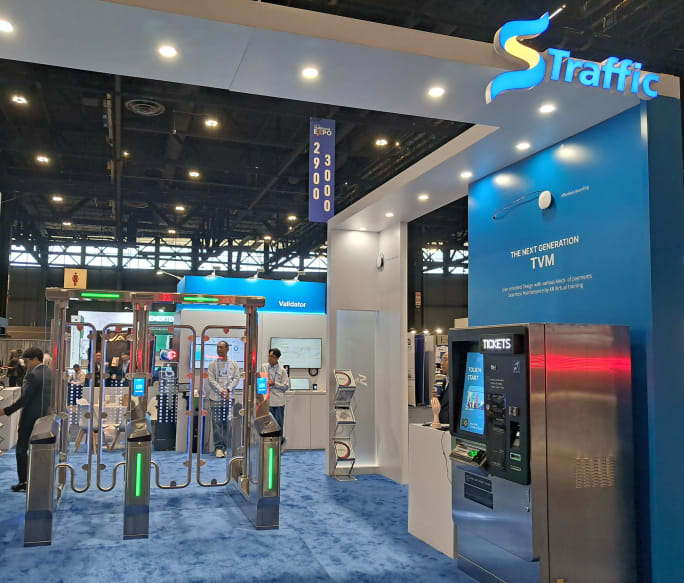
Originally established as a spin-off from Samsung, STraffic built its expertise through work with Seoul Metro before expanding internationally with projects across Asia, Europe, and North America.
METRO
METRO: What sets STraffic apart from other fare collection technology providers, and how are you helping agencies modernize their existing systems?
Moon: One of our biggest differentiators is our ability to provide a fare collection platform that supports multiple modes of transportation while also integrating with equipment agencies already have in place.
Many existing suppliers rely on proprietary hardware and software. That can create challenges when agencies need to modernize because their legacy equipment may not be compatible with newer technology.
For example, an agency might have fareboxes that accept coins and bills but can't provide detailed reporting or accept credit card payments. Agencies also need to consider cash-handling components when upgrading those systems.
Rather than requiring agencies to replace everything, we can integrate their existing equipment with our platform.
A good example is our work with WMATA. We supplied the fare gates, but the agency's proprietary payment readers came from another manufacturer, Cubic. We integrated those readers with our gates, allowing the systems to work together.
That was an important achievement for us because it demonstrated our ability to integrate with existing technology rather than requiring an entirely new system.
We subsequently applied that same integration approach at BART and LA Metro.
Ultimately, we bring both hardware and software solutions, along with the integration expertise needed to help transit agencies modernize without necessarily replacing all their existing infrastructure.
METRO: Looking ahead, what do you want transit agencies in North America to know about STraffic?
Moon: We want agencies to understand that we're bringing proven technology and extensive project experience to the North American market.
We've shown we can reduce fare evasion, integrate with existing payment systems, and adapt our technology to meet the specific needs of different transit agencies.
We continue to improve our products based on customer feedback, whether that's adding AI capabilities, improving the passenger experience, or designing gates that fit challenging station environments.
We believe there's a significant opportunity to bring more innovation to public transportation in North America, and we want to be part of that modernization.
Quick Answers
STraffic is enhancing its operations in North America by focusing on innovative fare collection technology and strategic growth initiatives.
*Summarized by AI
More Technology
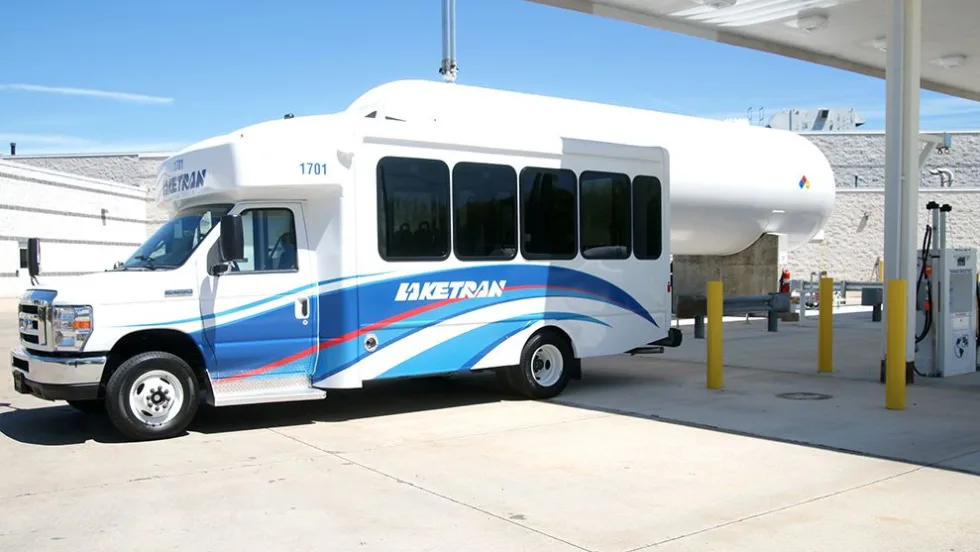
Laketran Cuts Fuel Costs, Boosts Efficiency with Propane-Powered Fleet
The Ohio transit agency is using propane-powered vehicles and on-site fueling infrastructure to cut fuel and maintenance costs while meeting growing demand for paratransit services.
Read More →
Right-Sizing Rural Transit: Lessons from North Grenville’s On-Demand Model
A small municipality shows how flexible service, rider needs, and public accountability can expand mobility with limited resources.
Read More →
Transit Expands Agency Partnerships, Reaching 200 Official App Partners
COO Jake Sion discusses Transit’s growth, the success of its Transit Royale program, and how technology is helping agencies improve the rider experience.
Read More →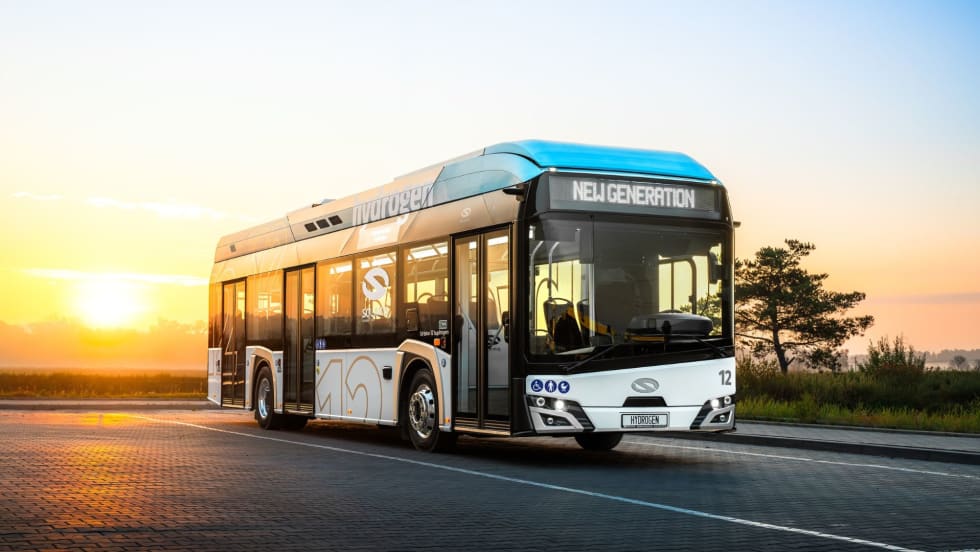
Biz Briefs: Ballard, Solaris Partner, New Flyer Receives Florida Order, and More
In METRO's latest installment, we also take a look at recent news from New Flyer, STV, Spare, and more partnerships making headlines across the transportation sector.
Read More →
Hampton Jitney Microgrid Offers a Roadmap for Fleet Electrification
Sprocket Power’s on-site energy system is designed to manage charging costs, reduce pressure on the electric grid, and prepare the Long Island transportation provider for expanded electric fleet operations.
Read More →
ETA CEO John Maglio on Transit Technology, Innovation, and Building Agency Trust
ETA founder and CEO John Maglio explores the evolution of transit technology, the importance of reliable systems, and how stronger partnerships can help agencies improve operations and the passenger experience.
Read More →
Lextran, Via Team for On Demand, HDR to Work on Twin Cities BRT, and More
In METRO's latest installment, we also take a look at recent news from Keolis, Complete Coach Works, Anchor Transportation, and more partnerships making headlines across the transportation sector.
Read More →
Caltrain’s Electrification Drives a New Era of Ridership Growth
The railroad’s shift to electric service has brought more frequent trains, stronger customer satisfaction, and increased ridership, earning it APTA’s Outstanding Public Transportation System award.
Read More →
Video Surveillance in Public Transit: What Riders Really Think
As video surveillance gains public acceptance, new research from Axis Communications reveals what transit riders expect from agencies when it comes to safety, privacy, and AI.
Read More →
New York MTA Launches Historic $1.9B Signal, Track Modernization Project
Funded in part by congestion pricing revenue, the project will replace nearly century-old signals along the A and C lines in Brooklyn and Queens.
Read More →