



Transit fuel hedging sees winners, losers
Kansas-based Topeka Metropolitan Transit Authority entered into a fuel-hedging contract last May before prices dropped, causing the agency to pay $215,000 more over eight months.
With the cost per barrel of oil and, subsequently, fuel soaring last year, many transit agencies were forced to find funds to cover the rise in price as well as find a way to budget for fuel at a time when many thought there was no ceiling.
“Based on the volatility of the markets and the reports that were in the Wall Street Journal, local newspapers and all the financial news networks, we had no reason to believe that fuel was going to do anything but climb,” said Janlyn Nesbett-Tucker, CEO for the Topeka (Kan.) Metropolitan Transit Authority. “We absolutely were all in a panic.”
Searching for a way to ensure the agency could budget, Topeka entered into a diesel fuel-hedging contract, at $4.35 per gallon, in May 2008. Then, that August, fuel prices plunged, forcing the agency to spend $215,000 more over eight months.
The practice of fuel hedging, a tool used to stabilize fuel costs, which involves a contractual commitment by a transit agency to pay a pre-determined price for future fuel purchases, is not a new one. In fact, Topeka itself had entered into a contract a year or so before and experienced a savings of approximately $15,000 to $20,000, according to Nesbett-Tucker.
This time, however, things worked out differently. Although, she feels her agency had to do what was necessary to remain fiscally responsible to its taxpayers, who were suffering as well.
“It has put a bigger strain on our agency, but the monies we saved a couple of years ago should absorb what the overage [this time] is,” she explained. “If we had an opportunity to do it over again, we’d do it because we needed to be able to control, or at least limit, the volatility of that portion of our budget.”
The practice of fuel hedging doesn’t always end negatively. Ohio’s Greater Cleveland Regional Transit Authority (GCRTA) entered into a contract this past January, which will cut its fuel costs nearly in half.
“We had budgeted 2010 fuel at $18.8 million,” said Gale Fisk, executive director, office of management and budget, for GCRTA. “Right now, we have purchased 70 percent of fuel and, within another week, we will have another 10 percent bought. We now project that our fuel costs for 2010 will be lowered to $9.8 million.”
Fisk explained that keeping a close eye on prices, similar to buying on the stock market at the right time, helped the agency purchase fuel for as low as $1.41 per gallon. The agency is currently locked into a contract for its fuel at $1.82 a gallon. Similar to Topeka, though, GCRTA also entered into a high-priced contract prior to fuel spiking, causing the agency to absorb a bit of a blow. Therefore, Fisk warned that one important factor in hedging fuel is spreading your risk.
“You don’t want to hedge it all because your situation may change, and then you might end up being over-hedged,” he said, adding that GCRTA hedges only 90 percent of its fuel. “One of the things that you’re doing with fuel hedging is that you are changing from single-point decisions, to buying 100 different contracts for about 42,000 gallons a contract. If we’re wrong on one, we’re probably right on lots of others.”
Either way, fuel hedging has been successful for GCRTA, with the aforementioned $9 million savings anticipated in 2010 and a projected $6.5 million savings projected for this year. With things working so positively for the agency, Fisk said that fuel hedging at the agency would definitely continue.
“We’ve had people say to us that hedging is risky. We have looked at it and said that staying on the open market is riskier. It certainly looks, to us, like it’s going to be successful. Once we have finished buying 2010 fuel, we’ll be starting to buy our 2011 fuel as well.” Meanwhile, with many economists predicting that fuel prices will again soar once the impact of the nation’s recession begins to alleviate, Topeka will be faced with an important decision whether or not to enter into another fuel hedging agreement when its current one expires in May.
“We just had a board meeting, and there was a lot of discussion about another contract,” explained Nesbett-Tucker. “We want to make sure that we do the right thing and are smart about what we do. So, we are, at this time, not sure.”
As for the lessons learned from the experience and advice she has to give other agencies entertaining fuel-hedging contracts, Nesbett-Tucker recommends treading lightly.
“Definitely proceed with caution. Be sure that you look at the trends and the volatility, and don’t lock in for 12 months,” she said.
More Bus
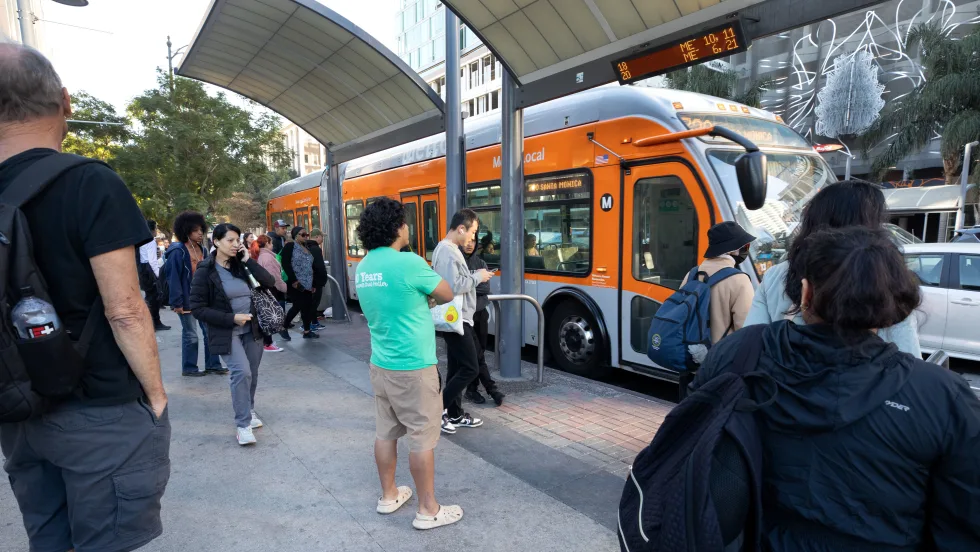
LA Metro September Ridership Climbs 3.9%, Led by Rail Growth
The agency recorded more than 27.2 million boardings, with rail ridership increasing 12.4% year over year and the D Line posting the largest gains.
Read More →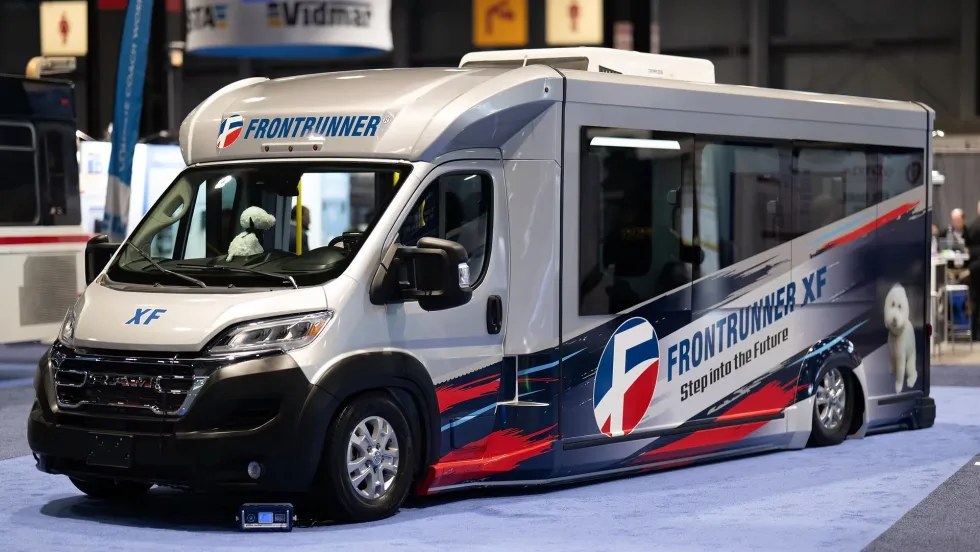
Frontrunner Bus Group Introduces XF Low-Floor Bus with Enhanced Accessibility
The new mid-sized bus features a full flat-floor design, eight-inch curbside step-in height, and zero-entry rear ramp to improve passenger access and operational flexibility.
Read More →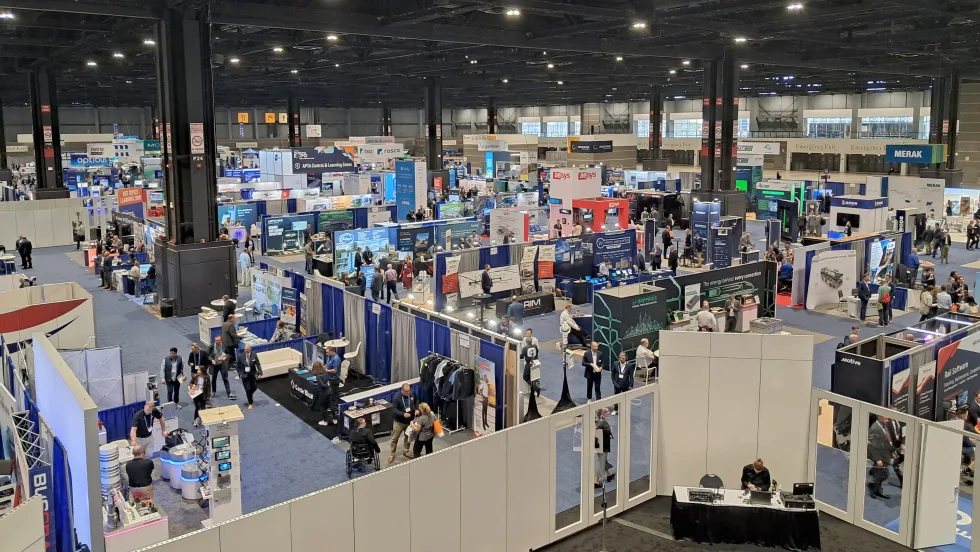
Scenes from APTA TRANSform & EXPO 2026
Transit leaders, manufacturers, and industry professionals gathered in Chicago to explore new technologies, share ideas, and discuss the future of public transportation.
Read More →
More Than a Summer Job: Building the Next Generation of Transit Talent
The Delaware River Port Authority and PATCO have transformed their internship program into a hands-on professional development experience that introduces students to the breadth of transportation careers — and creates a pipeline for future employees.
Read More →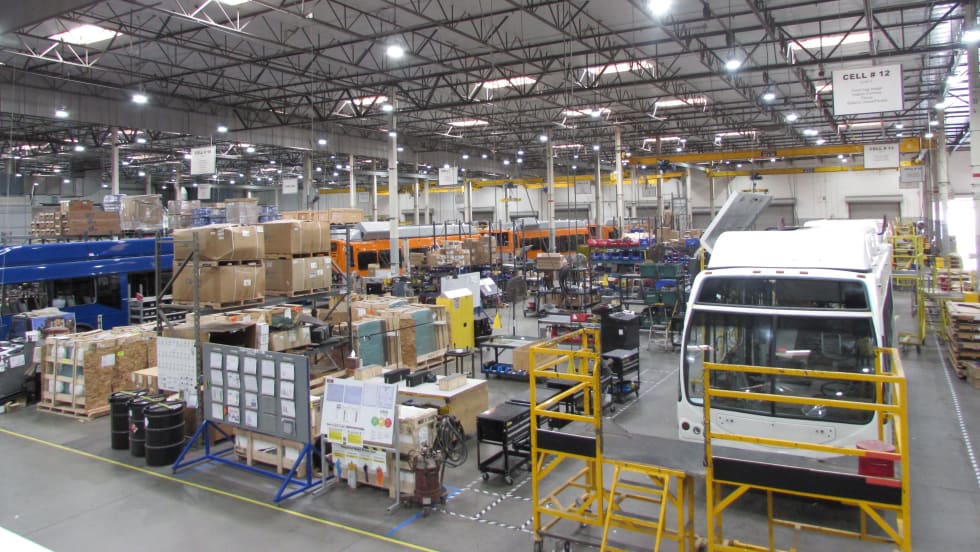
LA Metro Board Awards 220 Battery-Electric Bus Contract to ENC
The contract, which is the largest base award of battery-electric buses by a U.S. transit agency, will be built in Southern California, sustaining good jobs as LA prepares to welcome the world in 2028
Read More →
Public Transit Conference Returning to GFX in 2027, Call for Papers Now Open
The Call for Papers is now open, allowing transit agency professionals and industry experts to help shape the PTC educational program by submitting session ideas for consideration.
Read More →
Indian River Transit’s Community-Focused Approach Earns National Recognition
Named APTA’s 2026 Outstanding Public Transportation System in its size category, Florida’s Indian River County transit system continues to grow ridership through fare-free service and a focus on evolving community needs.
Read More →
ENC Lands MATA Contract and More in Biz Briefs
In this edition of Biz Briefs, we spotlight the latest developments shaping the future of mobility.
Read More →
From Surviving to Thriving: Building Stronger Transportation Organizations
Bus Business Consultants founder Brian Dickson shares lessons on leadership, organizational health, and creating options for long-term success in a changing transportation industry.
Read More →
Everett Transit, Community Transit Outline Consolidation Agreement
The proposed agreement calls for a 50% increase in bus service in Everett, a new microtransit zone, continued paratransit service, and the transfer of Everett Transit operations to Community Transit.
Read More →