


[IMAGE]f_0408f.jpg[/IMAGE]
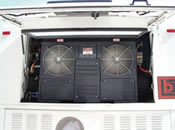
For commuters who ride on bus, rail or motorcoach vehicles each day, a properly working climate control system could mean the difference between a relaxed work day and a disruptive one.
 MENU
MENU SEARCH
Equipment trends include moving to higher speed, lower weight compressors for increased efficiency and developing ozone-friendly units to meet EPA emission regulations.
[IMAGE]f_0408f.jpg[/IMAGE]
For commuters who ride on bus, rail or motorcoach vehicles each day, a properly working climate control system could mean the difference between a relaxed work day and a disruptive one.
Manufacturers of air conditioning and climate control systems are aware of how important a cooled vehicle can be to its riders. These companies work to provide reliable, efficient and durable systems to transit customers. It’s also crucial for these operations to provide the same level of service in how it employs and maintains the climate control systems.
“In the U.S., an air conditioning system is considered a major bus component like an engine or transmission,” says Steve Johnson of Thermo King. “If it goes down, the bus doesn’t operate.”
That is true for transit agencies deploying their fleets in warm environments year-round. Chris Walton, director of Broward County Transit in southern Florida, says with a temperature of 90 degrees during the “winter” months, “our policy is that if an air conditioning system doesn’t work, the bus is replaced by another.”
Climate control, rider comfort
For bus operators, climate control is extremely important, especially in locations with variable climates. Customer satisfaction can be directly linked to the air conditioning and climate control system on a bus; so many transit agencies employ climate control systems in their fleets.
Depending on a transit agency’s location in the U.S., air conditioning may be at the forefront of operational concerns. In a warmer climate, such as in Southern California, climate control on transit vehicles can be critical for passenger comfort. Climate control can also play a critical role in decreasing unruly behavior. Representatives of air conditioning companies say that in general, people who are less hot are less frustrated and less likely to cause a problem.
Tom Barrio, vehicle maintenance manager at City of Montello Transit, agrees with that statement, saying, “[Heat] can make people uncomfortable and feisty. It’s also important to keep the drivers comfortable.”
Limited noise disruptions are also desirable to passengers. Roof-top units allow the cooling from the systems to easily flow down into the ductwork behind the baggage racks, says Sigma Coachair Group’s Richard Moss, business development manager for North America. “We don’t need large, noisy fans to drive the air from some other location on the bus, [because] the cool air is coming from its most natural location.”
Outfitting transit buses with air conditioning systems is nothing new and can be somewhat attributed to the Americans with Disabilities Act (ADA), which mandates provisions about HVAC (heating ventilation and air conditioning) systems. The ADA recognizes that air conditioning is also a necessity for the health of elderly and disabled passengers.
Green movement afoot
As transit agencies move forward with “green” bus technology by testing hybrid- or electric-powered as opposed to fuel-powered engines, some air conditioning companies are also designing all-electric air conditioning systems.
“[The] trend toward hybrid and or electric vehicles creates a need to electrify the air conditioning in the event the vehicle motor does not run or the vehicle operates on battery or capacitor power,” says Rick Lehnert, Trans/Air Manufacturing president.
Typically, air conditioning systems use mechanical power from fuel-powered engines. But as bus operators switch to using hybrid buses, which characteristically have smaller engines, the electrical demand becomes higher, says Matt Lish, director of transport sales, North America, for Bitzer. “You don’t want to drive so many things off the [smaller] engine.”
The trends toward smaller engines and low-floor buses are prompting several HVAC manufacturers to move away from rear-mounted systems. Another reason for the switch is compliance with the Environmental Protection Agency’s (EPA) 2010 emission regulations.
The legislation mandates the phasing out of Refrigerant-22, which has been commonly used in air conditioning systems for more than four decades. The release of R-22 resulting from system leaks contributes to ozone depletion, according to the EPA Website.
Because of this change, “the space available in the rear of the bus where most HVAC systems now fit will decrease, forcing most OEMS to move to roof-top or integrated systems,” says Thermo King’s Johnson.
Manufacturers will be prohibited from shipping R-22 in new equipment beginning Jan. 1, 2010, and will be required to use ozone-friendly alternatives. In preparation for the legislation, some HVAC companies have been using the ozone-friendly alternative R-134a. This refrigerant has zero ozone-depletion and lower global warming potential than other refrigerants on the market, says Joe Giacona, Carrier Transport Air Conditioning’s product manager for bus and rail products.
The trends and adjustments to the systems are causing the transit bus to look more like an automated people mover (APM) due to the onboard power source, says Scott Imamura, vice president sales, Sutrak.
Compressor factor
Out of the three main air conditioning system components, the one most affected by the use of electric-powered engines is the compressor. The other two main components, the evaporator and condenser, are heat exchangers that use small fans not large enough to require a complete redesign.
Another trend for climate control systems is the movement toward lighter weight, higher speed compressors, which need less energy to operate. The new compressors give buses more capacity to cool the area faster and they take less space in the engine compartment, says Bitzer’s Lish.
“If you can shrink the size of one of the key components in the engine, that’s always good for the OEM,” explains Lish. “And if the serviceman needs to service it, something that is lighter makes it easier.”
There is more availability of additional compressors that are separate from the vehicle factory driver air system, adds Trans/Air’s Lehnert. The higher speed compressors can demonstrate greater efficiency by generating faster pull-down times. A commonly used test is the Houston Transit pull-down test, which measures the time it takes to cool an idle bus.
Walton of Broward County Transit, which uses Sutrak HVAC systems on its 300 buses, says the agency is looking into driving more air conditioning components electrically, such as the cooling fan. “We know that bus technology will lead us in the (electric) direction,” he says.
Maintenance, system support
When choosing the right system for the transit agency’s fleet, maintenance considerations should include maintenance intervals, rebuild schedules, and associated costs for each component or system.
Roof- and rear-mount models can be completely self-contained with no exterior refrigerant runs, says Sutrak’s Imamura. “[On our systems] this minimizes fittings, eliminates flexible hose, drastically reduces potential refrigerant loss and improves compressor efficiency.”
Transit agencies should also consider the availability of service support from the air conditioning manufacturer after purchase. “[They] should expect direct support from the bus A/C supplier via field service engineers (to provide) on-site training for the end-user’s maintenance personnel,” says Carrier’s Giacona. It’s also good to have a coast-to-coast dealership or service center network available in close proximity to the agency’s location, he advises.
Montebello Transit plans to use Carrier‘s system, which has two air conditioning modules on each bus. “If one fails, there will be a backup that continues to operate,” says Montebello’s Barrio.
Giacona says uploading electronic service manuals on the company Website will be helpful for transit customers. Most manufacturers also keep inventories of replacement parts readily available for bus operators, knowing that air conditioning will continue to be important for riders.
“The majority of the fleet has air conditioning and we will never see [a new] vehicle on our lot without air conditioning,” says Joseph Ferrini, director of maintenance, Central New York Regional Transit Authority.

Although volumes remain below pre-pandemic levels, NYMTC’s latest Hub Bound report shows rising transit use, shifting commute patterns, and continued recovery.
Read More →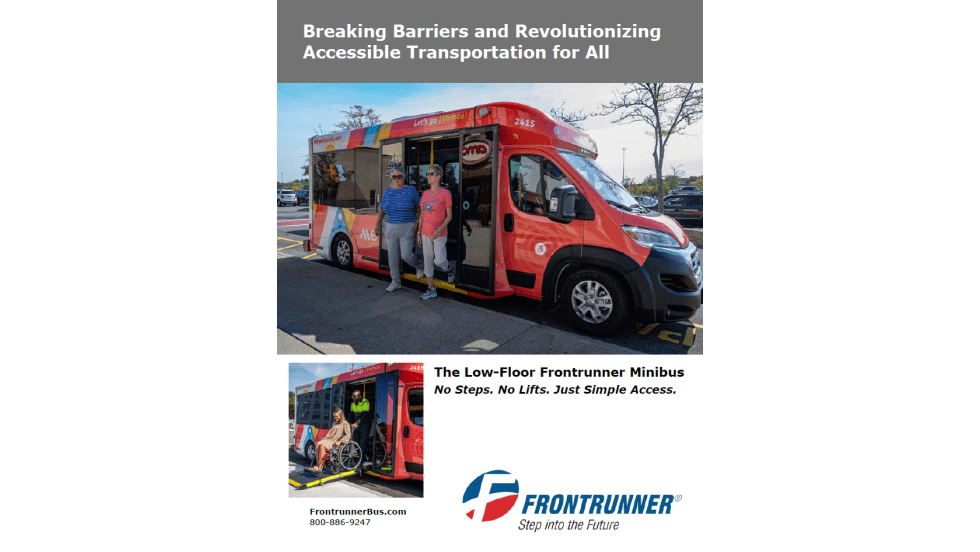
Accessible transit isn’t a feature—it’s a responsibility. This whitepaper explores how the Low-Floor Frontrunner is redefining mobility with a breakthrough design that removes barriers, empowers riders, and delivers measurable operational advantages for agencies. Discover why this next generation minibus is setting a new standard for inclusive transportation.
Read More →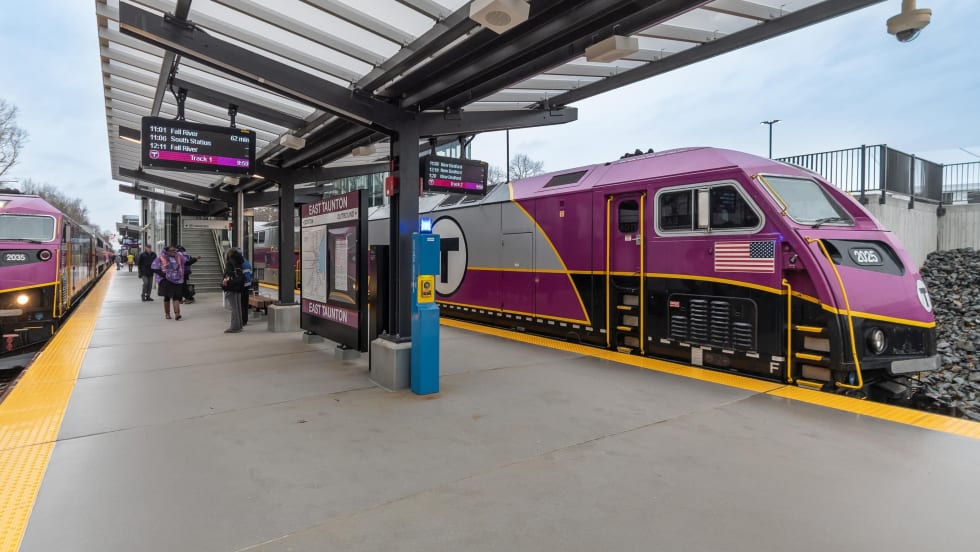
With major events and increased travel expected across the state this summer, the Administration is focused on making sure people have a reliable, affordable alternative to driving so we can reduce congestion, support daily commuters, and keep Massachusetts moving.
Read More →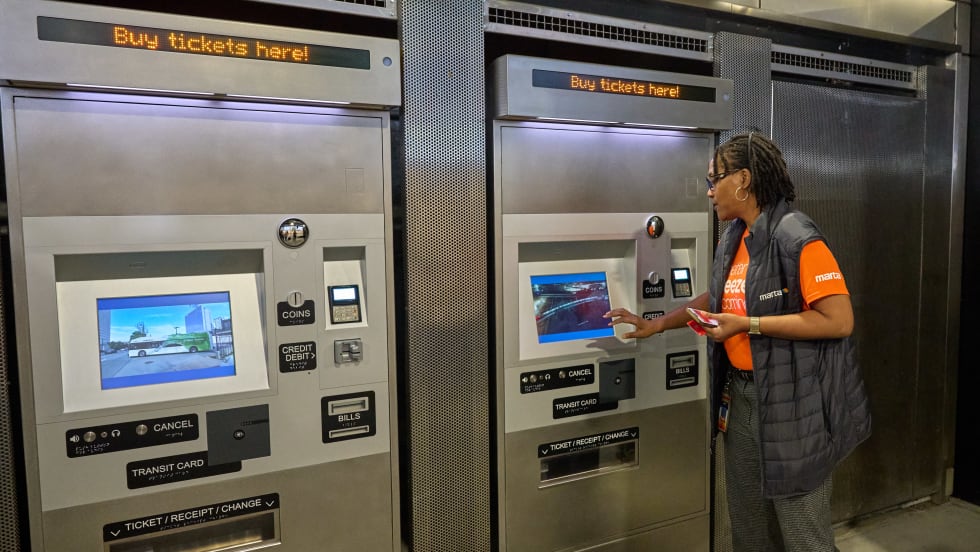
The new system introduces tap-to-pay, touchscreen kiosks, and updated Breeze cards, with both old and new systems running through May.
Read More →
As the American Bus Association marks its 100th year, a new ABA Foundation report highlights the Marketplace’s role as a key revenue engine for the bus and group travel industry.
Read More →
As motorcoaches navigate increasingly congested urban corridors filled with pedestrians, cyclists, scooters, and distracted drivers, safety leaders across the industry are confronting a growing challenge: visibility.
Read More →
Updated financial plan reflects ridership growth and cost controls as the Washington region’s transit system celebrates five decades of operations.
Read More →
In part 1 of a two-part conversation, AC Transit’s director of maintenance joins co-hosts Alex Roman and Mark Hollenbeck to discuss his journey from the U.S. Marines to public transit and the role mentorship plays in developing the next generation of industry leaders.
Read More →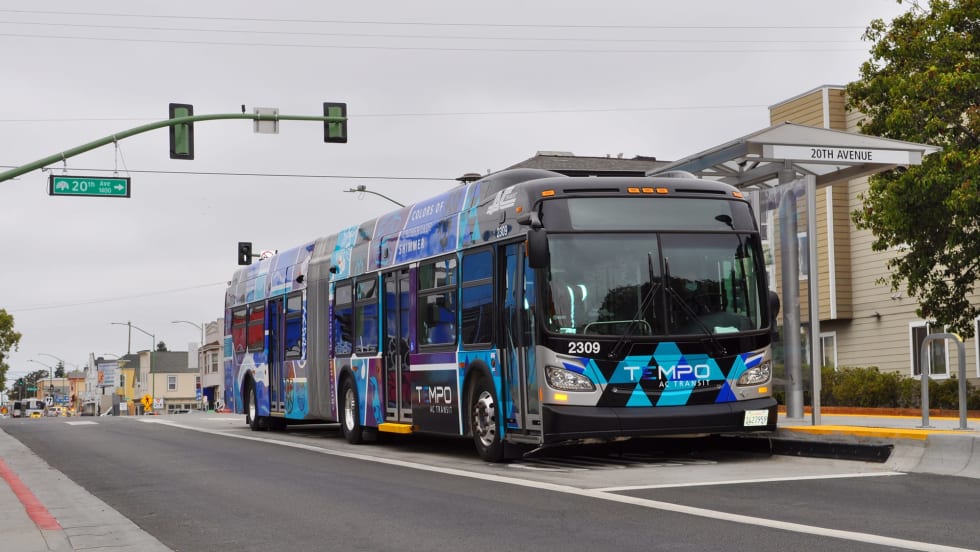
In reaching its decision, the board considered the District’s mounting long-term structural deficits, with current projections forecasting annual operating deficits of about $50 million beginning in FY 2027-28 and continuing in the years ahead.
Read More →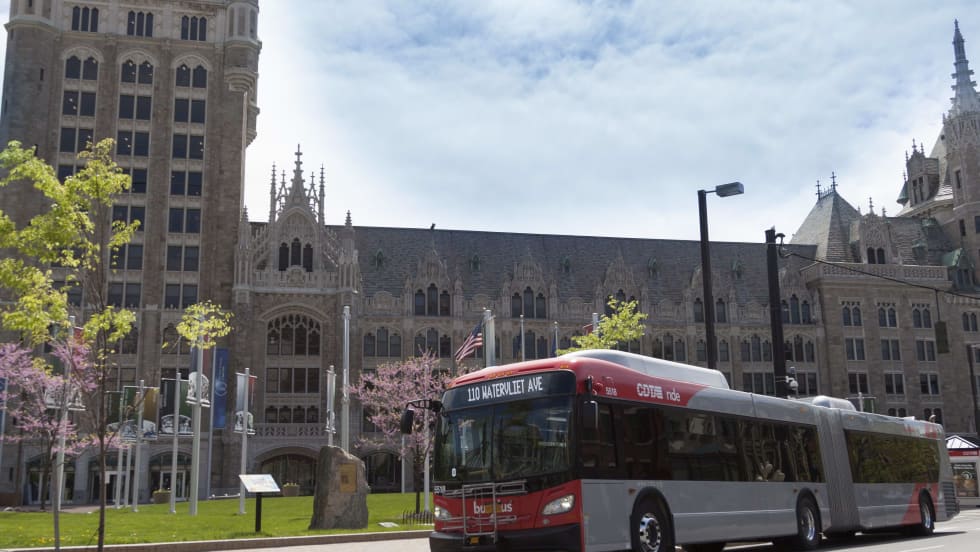
The $143 million spending plan represents a 2.4% reduction from last year’s budget. Increasing expenses, along with depleted federal COVID-19 funds, continue to impact the overall budget, CDTA officials said.
Read More →