



Motorcoach Operators Find Niche in Executive Transport
Motorcoach as a mode of transport offers something to business travelers that air, rail and traditional vehicles don't — the ability to take the conference room on the road.
Motorcoach charter service has always made sense for tour groups, sports teams, churches, schools and other groups who need a convenient, cost-effective way to transport their large numbers. Conversely, corporate customers have traditionally looked to executive sedan service or company cars for their most frequent transportation needs.
Coach services have the potential to blend the high-level appeal of luxury sedan service with the capacity, value and comforts of passenger buses. However, most operators agree — it’s a tough sell.
"It’s a very difficult market to crack, because it really is an unusual sell," says Victor Parra, president of the United Motorcoach Association (UMA). Corporate customers may not initially perceive motorcoach as the ideal mode of transport for their needs, he explains. "Now, having said that, it is clearly a higher-margin business, because once you persuade [corporations] it makes sense, price becomes somewhat elastic in that market," Parra says.
A growing trend?
More operators are starting to take an interest in running buses with high-tech capabilities, with an eye toward capturing high-end customers like corporate executives. Tom Chezem, vice president of sales for the Setra brand at DaimlerChrysler Commercial Buses North America, says the number of units sold is not yet in the hundreds or thousands per year. "What we’re seeing is an increased interest in people wanting one to five of that type of vehicle [in their fleets]," he explains.
Chezem says the Setra model that best serves high-end, corporate clientele is the S 417, which he describes as a luxury coach. Listing for more than $500,000, the coaches boast amenities such as Internet connectivity, substantial legroom, leather seating, card tables and a rear galley, he says.
The major advantage for corporate clients is that this type of service offers both a mode of transportation and a workspace. "You’ve got to show people, because they’re so entrenched in how they do things, that you don’t have to lose a day of production," says Steve Haddad, owner, president and CEO of Bieber Tourways in Kutztown, Pa. "You get these people on with their laptops, and they can have a conference all the way."
Often buses geared toward executive transport are equipped with work areas that allow passengers to hold meetings or plug in their laptop computers, cell phones or PDAs during the trip. Conference tables and custom seating as well as wireless Internet capability, TV monitors or projector screens tailor this type of service to business travelers.
Additional amenities, such as water bottles, newspapers and itinerary management, complete the package. "It is a very market-specific kind of service," says UMA’s Parra. "You can provide the means for them to use their time traveling effectively. It’s a matter of identifying where those opportunities are to do that kind of contract."
Study the market
Getting a foot in the door requires knowledge of your local area, a little creative thinking and energetic outreach to potential customers. Making a connection with corporations to solicit a business partnership requires an understanding of the hurdles that stand in the way, particularly the perceived stigma against buses versus other modes of transportation. Operators who choose to pursue the corporate segment will need to build a comprehensive marketing plan, perhaps dedicating one or more sales staff to corporate outreach.
Haddad says there is a demand for this type of service, but it is not as direct as regular motorcoach bookings, where unsolicited phone calls come in continually. "They don’t come knocking," he says, adding that a targeted marketing effort is crucial. "You’ve got to identify some corporations in your area, people that are capable of spending a little more money per se, a higher demographic and then marketing to those people."
As when breaking into any segment that is new to your business, the importance of having a solid business plan for your new venture cannot be underestimated. Investigate corporations in your local area with frequent travel needs and consider what type of investment is needed in new or upgraded vehicles.
Sander Kaplan, president of A Candies Limousine in Gainesville, Fla., who has been in the limousine business for 21 years, saw a demand for coach services in the area. The company has concentrated mostly on limousine business, but 10 months ago purchased two 56-passenger Prevost motorcoaches and a Krystal KK38 limobus. "I wanted to start a new revenue stream because the limousine business is flooded in our area," Kaplan says. He invested $500,000 in starting up the motorcoach service, branding it under a new company called A Candie’s Coachworks Inc.
"A lot of limo operators are getting into midsized buses," he explains. "It used to be the H2, then the Chrysler 300 and now it’s buses. I went a step further. We want to be a transportation company."
To that end, Kaplan did a market study to determine the viability of adding coaches to his fleet. He decided he would be able to run the service out of the same office, just adding a phone line to handle the additional calls and a Website to advertise the new service separately.
Location, location, location
Steve Haddad says Bieber Tourways was prompted to look into executive coach service after 9/11. The company purchased its first VIP coach right before the attacks, and ended up sending it to New York to be used as a command center for several weeks before finally bringing it to their headquarters in Pennsylvania.
Because of the hesitancy travelers felt toward flying and the increased security measures resulting from the attacks, "we quickly realized the transportation industry was going to change dramatically," says Haddad. He felt that business travelers would be looking for an alternative to the long security lines and negative association with airports. In addition, Bieber Tourways is located in prime territory for transporting business travelers, with major international airports in driving range. "In less than three hours, I’m at JFK, La Guardia, Newark, Philadelphia, Harrisburg, DWI, Dulles and Reagan. So I’m right in the middle of some major traffic," says Haddad.
Accounting for the two hours of travel time for people in his area to get to any of these airports, plus the necessity of arriving two hours before take-off, he realized that in those four hours, he could transport passengers up to 250 miles. "So if they’re flying to Boston, Washington or Pittsburgh, we were finding a niche that we could put these coaches in," says Haddad.
Of the 72 vehicles Bieber currently has in its fleet, the majority are seated 47- and 55-passenger motorcoaches, says Haddad, but three are specialty vehicles. One is a 45-foot, 16-passenger conversion coach with a full mid-galley, board room in the back and a full bathroom with a shower. The second specialty vehicle is a 27-passenger VIP coach with a rear galley, cherry cabinetry, tabletops and spacious leather seats, and the most recent addition, delivered in February, is a 42-passenger MCI ELX with wireless Internet, satellite television, satellite radio, tables and a rear galley, says Haddad.
All the coaches have wireless Internet, 110 outlets at the seats and the capacity to display PowerPoint presentations with large monitors installed. Aside from business trips, the specialty coaches can also serve corporate clients for social events, as incentive prizes for rewarding employees or as hospitality suites.
Haddad also recommends connecting with businesses that would benefit from using a specialty coach as a sales tool. Sales staff could invite clients and prospective clients for a sales event, he explains. "A stock broker or insurance agent is in the back in the board room making a sales pitch to four people who he hopes to enlist as customers, and then the customers are up front with the hostess getting wined and dined."
He also suggests partnering with philanthropic organizations who want to thank their top donors with a special event or take potential donors to see a facility or project.
How does executive coach service differ from regular coach service? Haddad says that aside from the electronic equipment, it’s the VIP service. "We assign it to one person in the company to handle the calls, that person gets the coach ready, and we do everything from arranging the driver all the way to the drinks and catering on board," he says. "It’s really customer service-oriented."
Transportation partner
BostonCoach and its affiliates serve over 30 countries worldwide with a fleet that includes luxury sedans, limousines, vans, minibuses and motorcoaches, offering both transportation and event management services.
According to Lisa Allen, senior vice president of marketing, motorcoaches make sense for corporate clients transporting groups to board of director meetings or other larger events.
"We’ve been in the business of supplying corporations with transportation for over 20 years," she says, and over that time, the company has expanded from executive sedan service to introducing other vehicles types, such as SUVs, vans and minibuses. Allen says some of the minibuses feature swiveling leather conference seats and a conference table.
Allen echoes other operators, saying that soliciting clients requires extra effort. "There are some people who will call and ask for information about our services, and there are other companies that we target for outreach by our sales force," she says. Many of BostonCoach’s clients are on the Fortune 500 list, she says. "At the same time, however, we number among our clients many smaller firms who nonetheless have a need for, and recognize the value of, a high-end transportation partner," says Allen.
In doing so, Allen says that these partnerships have led to providing corporate clients with a broader spectrum of services. BostonCoach took its involvement in the corporate segment to the next level, developing a full range of event management services, even dedicating a specialized mobile dispatch unit to coordinate on-site transport needs. With a trained dispatch and reservations supervisor onboard, the vehicle serves as "an onsite travel desk to be able to supply even better real-time service about where vehicles are and who needs to get where," Allen says.
"Management services can include everything from keeping track of who needs to go where, when and in which vehicle, to coordinating with security, providing valet parking if necessary or supplying meet-and-greet services," says Allen. "In other words, we supply, in addition to transportation, those management services that will help support executives on the go to focus solely on the work they want to accomplish and not be distracted."
More Management
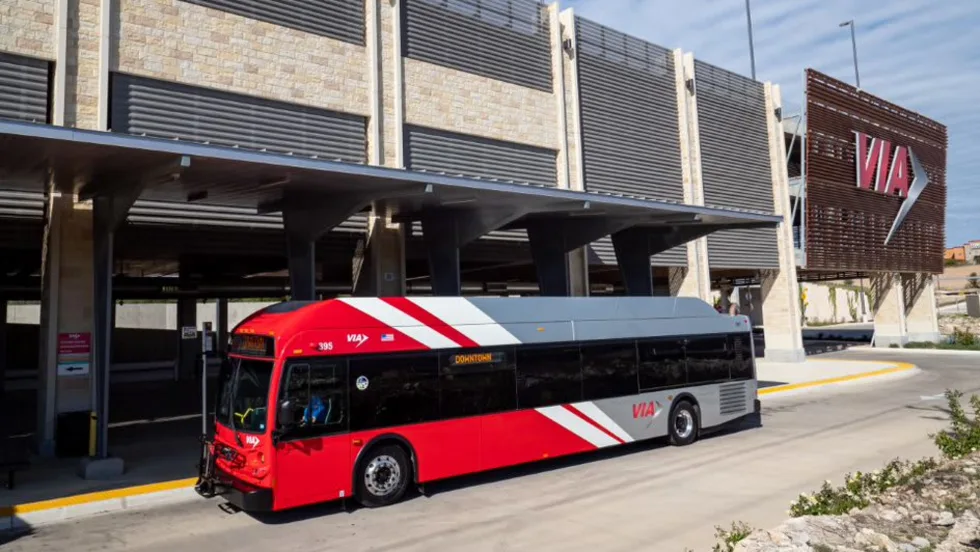
VIA, MBTA Reach Pre-Pandemic Ridership Milestones as Transit Use Climbs
VIA surpasses three million monthly trips for the first time since 2020, while the MBTA tops one million average weekday trips as both agencies report continued ridership growth.
People Movement: Metrolink's Kettle Announces Retirement, Feakins to CEO at UZURV, and More
In this edition, we also cover recent appointments and announcements at King County Metro, SilverRide, and more, showcasing the individuals helping to shape the future of transportation.
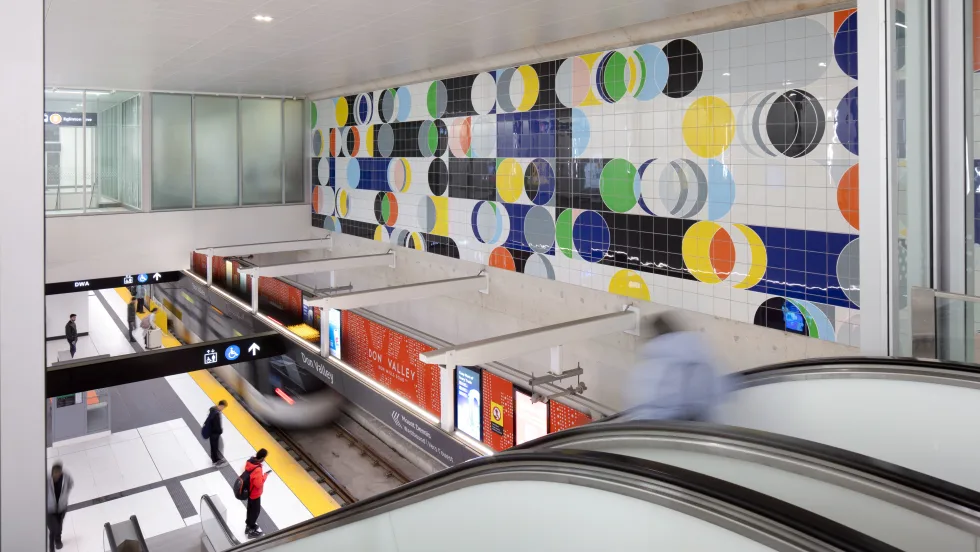
How Gen Z's Changing Mobility Habits Are Reshaping Public Transit
As younger generations embrace multimodal mobility over private vehicles, transit agencies can rethink station design, the passenger experience, and public transportation's role in building connected communities.
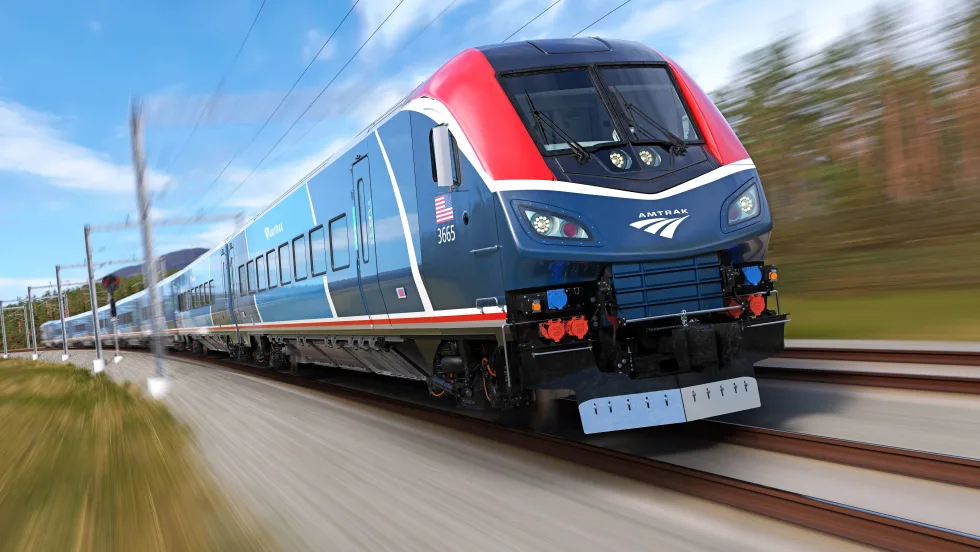
Amtrak Expands Airo Fleet with Eight Higher-Capacity Trainsets
The new 10-car trains, expected to enter service in 2031, will provide about 34% more seating capacity to meet growing demand on the Northeast Corridor.

APTA Urges FTA to Withdraw Proposed Capital Investment Grants Guidance
The association warns that proposed changes could delay transit projects, reduce federal funding, and create new hurdles for 47 projects currently in the CIG pipeline.
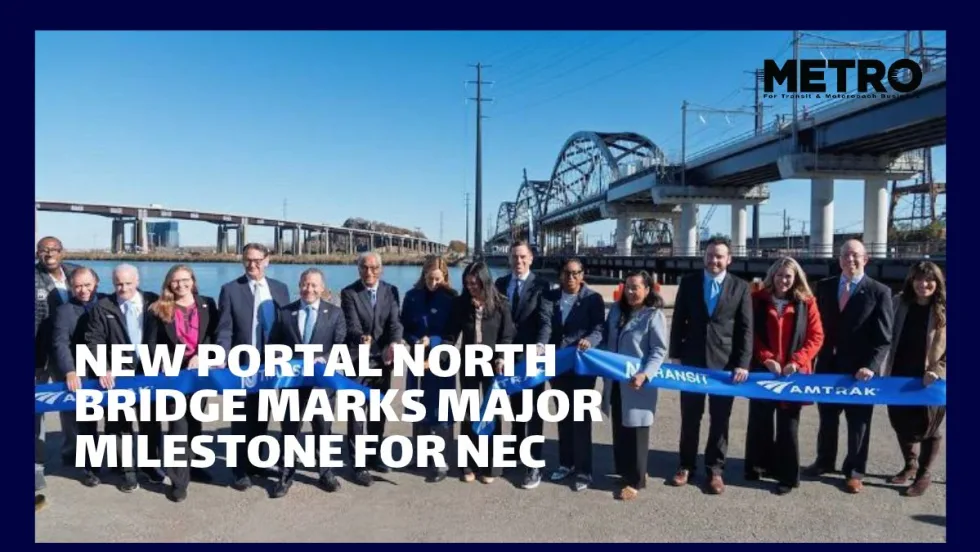
Amtrak, NJ TRANSIT Launch Full Service on New Portal North Bridge
The completion of the two-track bridge over the Hackensack River eliminates a longstanding source of delays for NJ TRANSIT and Amtrak customers. It marks a major milestone for the Gateway Program.
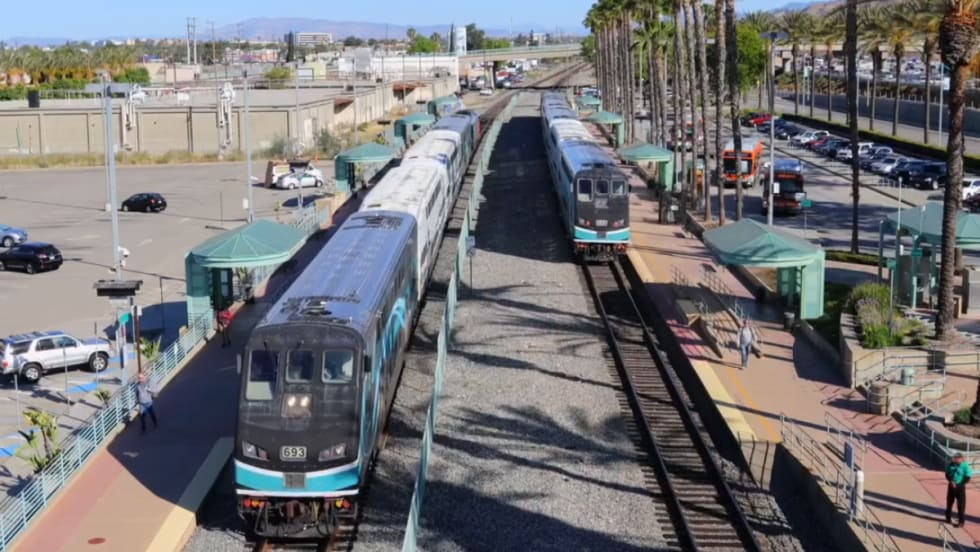
Southern California’s Metrolink Approves $508.8M Budget, Avoids Service Cuts
A $20 million state allocation allows the regional rail agency to maintain existing weekday and weekend service through fiscal year 2028, although longer-term funding challenges remain.
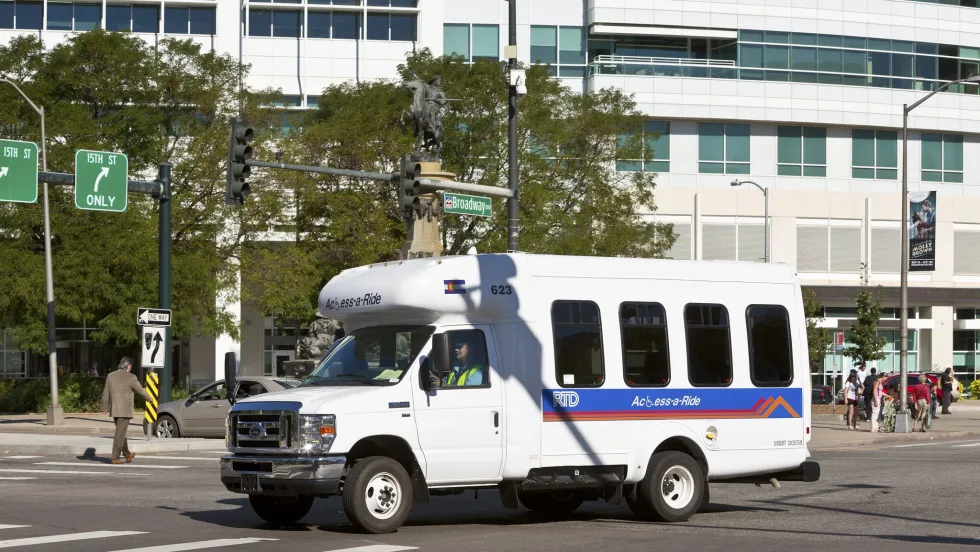
Denver RTD Committee to Review Paratransit Services, Improve Accessibility
The committee will oversee an independent study of paratransit operations, gather customer feedback, and recommend improvements to service reliability, accessibility, and accountability.

Castro to Lead RTC of Southern Nevada and More in People Movement
In this edition, we also cover recent appointments and announcements at the STV, MCI, and more, showcasing the individuals helping to shape the future of transportation.

STraffic Expands North American Presence with Fare Collection Technology
John Moon, Associate Director, Product Strategy at STraffic, discusses the company's growth in North America, its efforts to reduce fare evasion, and more.