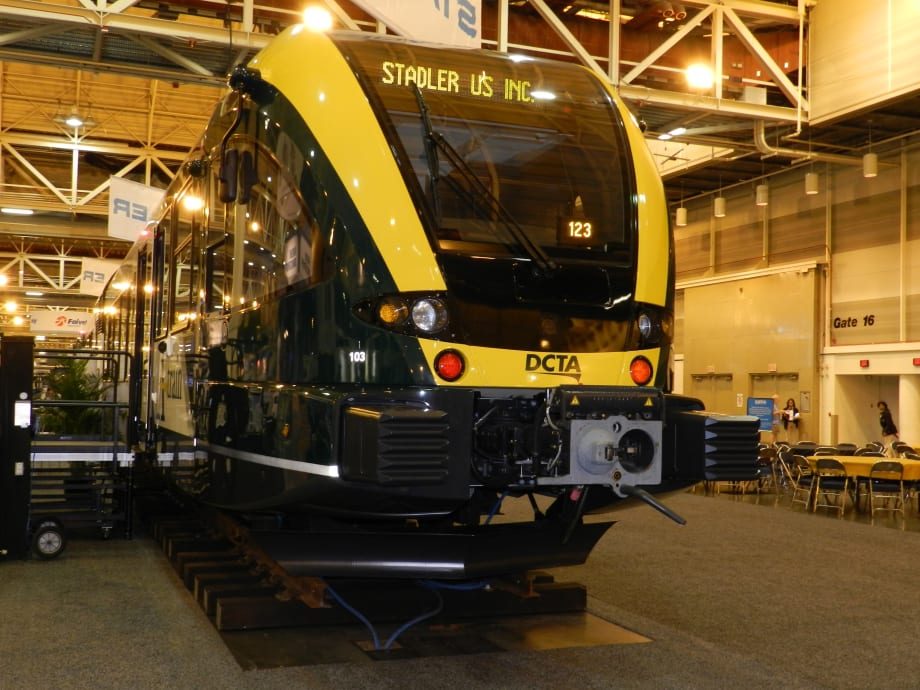
The submission completes months of study and analysis, in cooperation with the FRA, DCTA's Swiss vehicle supplier Stadler and systems consultant LTK Engineering Services, to establish the equivalency of the Stadler vehicle design with traditional United States compliance standards.
Texas-based Denton County Transportation Authority (DCTA) submitted the rail industry's first Alternative Vehicle Technology (AVT) waiver to the Federal Railroad Administration (FRA) to obtain permission to use the Stadler GTW rail vehicles, with their alternate crashworthiness elements, in revenue service concurrently with its current fleet of traditional vehicles.
The submission completes months of study and analysis, in cooperation with the FRA, DCTA's Swiss vehicle supplier Stadler and systems consultant LTK Engineering Services, to establish the equivalency of the Stadler vehicle design with traditional United States compliance standards.
Ad Loading...
DCTA's submittal, which is the first of its kind in the nation, demonstrates that the enhanced crashworthiness and passenger protection systems inherent to its new fleet of rail vehicles are equivalent to current U.S. safety standards. DCTA will continue to work with the FRA to advance the AVT application through the review and evaluation process and anticipates receipt of the FRA's response in the coming months.
DCTA employs temporal separation (where traditional and new vehicle fleets are always separated) over the A-train corridor, so integration of the Stadler GTWs into service is not contingent upon receipt of the AVT waiver. However, the waiver will allow the authority to introduce the new cars sooner to run in mixed-use with the traditional cars currently in operation.
HDR’s transit program management lead discusses the challenges of overseeing large capital projects, adapting to cost and supply chain pressures, and the capabilities agencies need to build for the future.
Operation Lifesaver and the FHWA awarded nearly $198,000 in grants to 10 state programs for rail safety education campaigns focused on crossing safety, trespass prevention, and public awareness initiatives.
Garo Hovnanian explores how agencies can better navigate competing priorities, strengthen decision-making, and prepare for a future shaped by electrification and emerging mobility.
See what deregulatory rail rules were finalized to reduce outdated requirements, support innovation, and streamline rail operations without compromising safety.
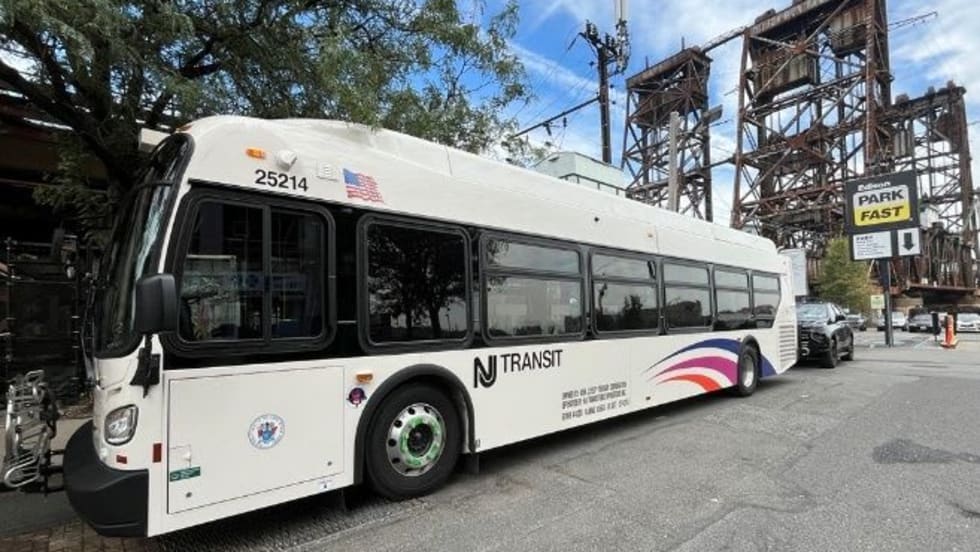
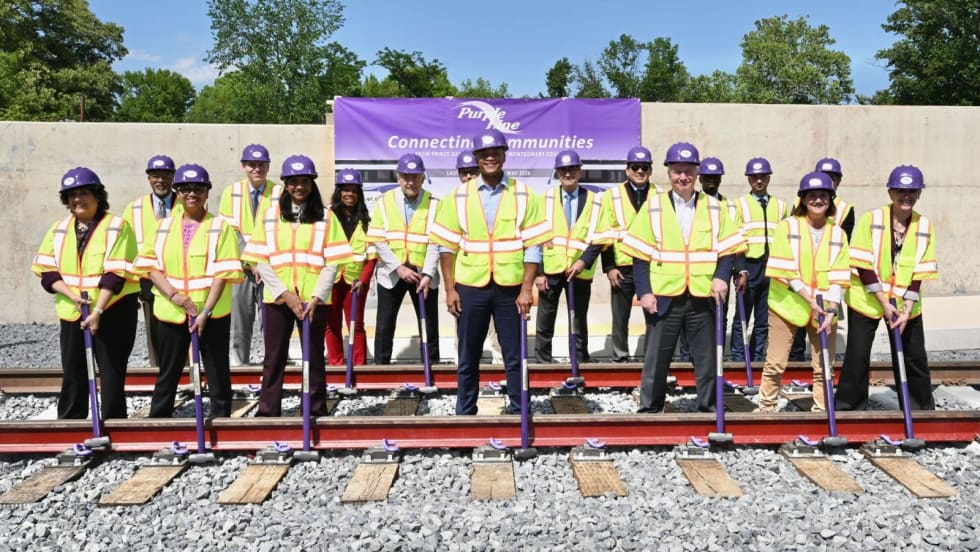
The plan includes investments in cleaner vehicles and upgraded stations, NJT LiveView to provide real-time GPS tracking of train and light rail service, enhanced safety initiatives through a new Real Time Crime Center, and the debut of a redesigned NJ TRANSIT mobile app.
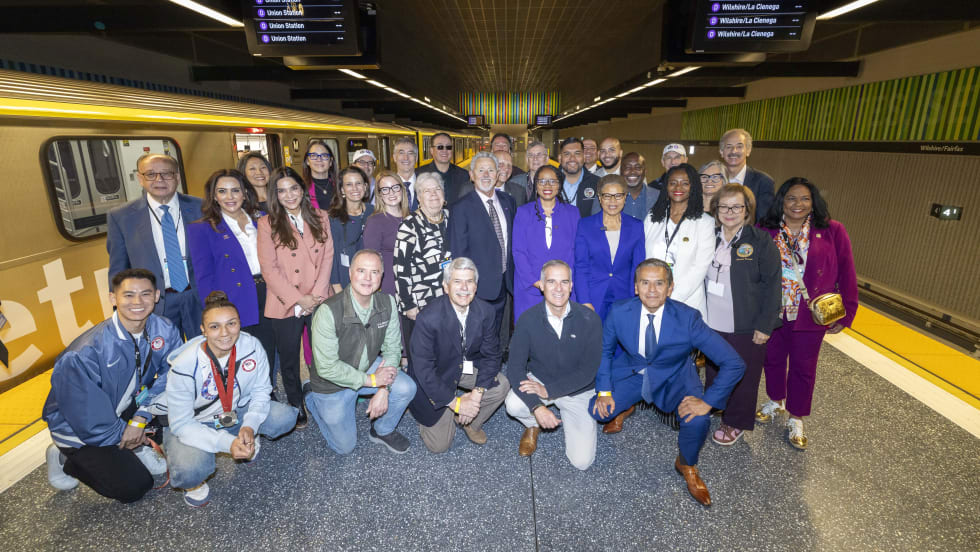
The only new subway opening in the US this year, the D Line Extension represents one of Metro’s top transit priorities and a historic milestone for Los Angeles, with Sections 2 and 3 set to open in 2027.
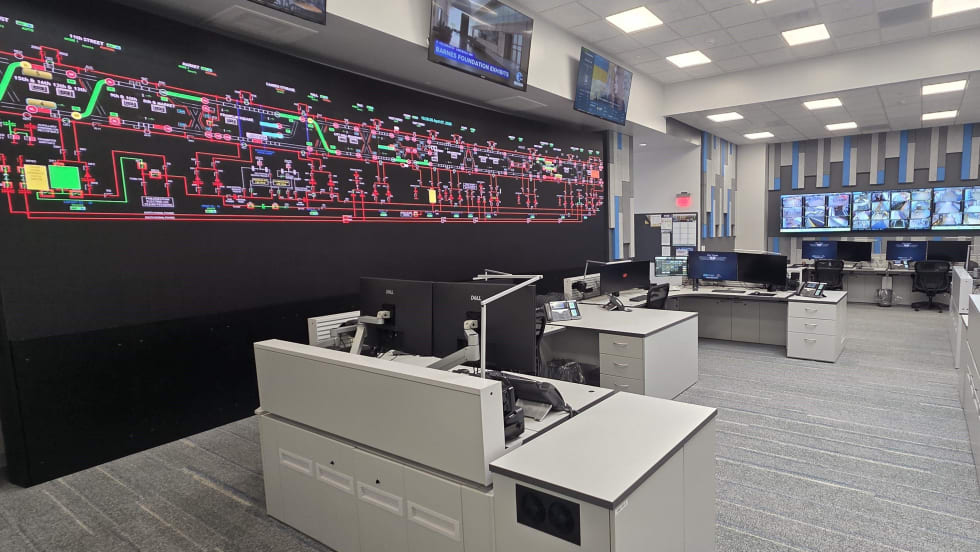
The new center serves as the central hub for monitoring and managing PATCO train operations, communications, customer service coordination, incident response, and overall operational oversight across the transit system.
Despite these pressures, VIA Rail is reporting that total revenues increased to $514.8 million as more travelers took advantage of the wide range of options available through the corporation’s new reservation system.