



Web Extra: U. of Alabama transit agency celebrates 5 years
Before instituting the system in 2007, the university held approximately 80 town hall meetings to inform the community of parking changes that were set to be made and receive feedback for the transit system.

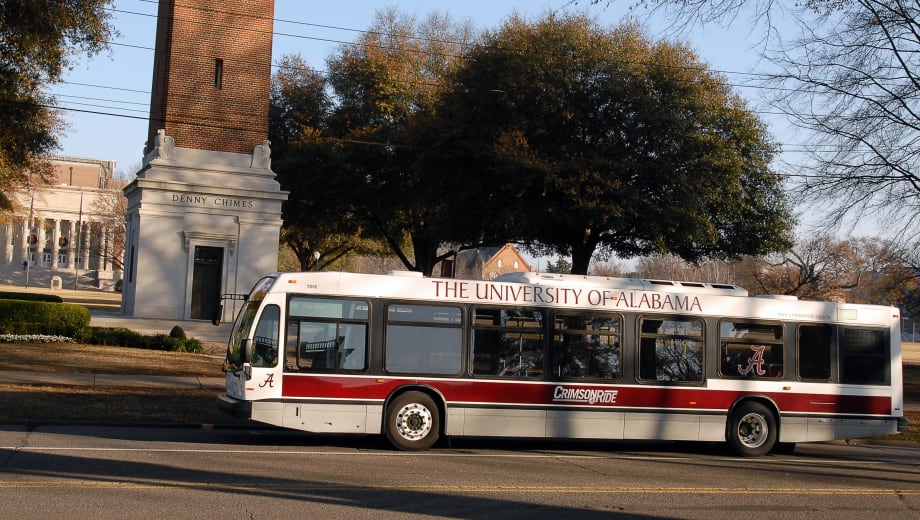

In 2007, the University of Alabama launched its Crimson Ride transit service with 17 full-size Nova buses to help fulfill its goals to grow its population and become more pedestrian friendly.
"At the time, the student population was a little under 20,000 students, and since that time, the population is now more than 31,000, so you can see the dramatic increase in population," explained Ralph Clayton, assistant director of transportation services. "To grow the campus like that, we had to get the infrastructure in place, and part of that was adding the transit system to bring the students to campus."
Today, the transit service boasts 23 vehicles and provides more than two million rides a year.
"One thing that changed tremendously after we got the transit system on campus was traffic reduction," explained Ronnie Robertson, director of transportation services.
Before instituting the system in 2007, the university held approximately 80 town hall meetings to inform the community of parking changes that were set to be made and receive feedback for the transit system.
"We got the faculty, staff and students involved on the bus selection; the type of bus they wanted; the routes and what they expected out of a transit system," said Ronnie Robertson, director of transportation services. "It really was a learning curve for everybody, because we had never had a workable transit system on this campus before."

Today's challenge for the transit system is keeping up with the changing infrastructure and growing population on campus, explained Clayton.
"We constantly monitor the system and adapt, but we learn from trial and error and don't change routes or stops without really considering the consequences," he said. "We have new buildings and residence halls set to open that will impact our existing infrastructure, and we really have to be nimble, agile and plan to maintain the level of service that is needed to grow along with the university."
Added Robertson: "At peak times, we serve 12,000 riders a day. When the students come to expect the buses to be at particular stops at particular times, it's difficult with the growth we've seen to meet those expectations. So far, because of the administrative support we've had, we've been able to keep up with the growth."
Continuing its successful partnership, University of Alabama Transportation Department ordered clean-diesel, 40-foot LFS smart buses, featuring a new interior design, from Nova Bus for its Crimson Ride transit service. The contract will see the university receive two new buses each year for five years to help keep up with both the university's and agency's growth.
"We truly have a partnership with Nova," he explained. "But, it's been more than just a business partnership, they feel invested in our community, and the buses have really become part of the fabric of our campus."
More Bus

Finding the ‘Happy Medium’: Optimizing Maintenance Without Sacrificing Reliability
The key to maintenance optimization isn’t doing less work—it’s doing the right work at the right time on the right assets.
Read More →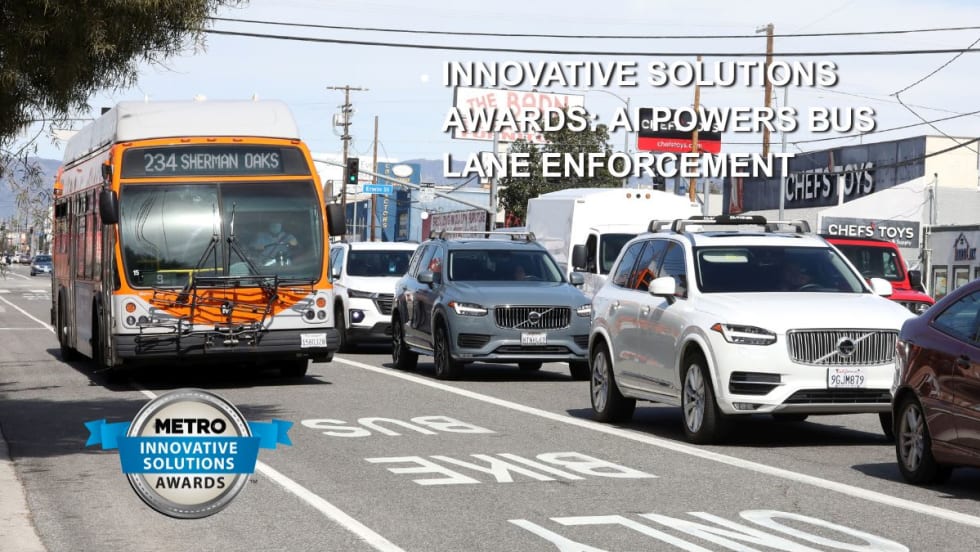
LA Metro, City of West Hollywood, and Partners Advance Smarter Bus Lane Enforcement
The award-winning partnership combines AI-powered detection with human oversight to improve bus reliability, accessibility, and enforcement efficiency.
Read More →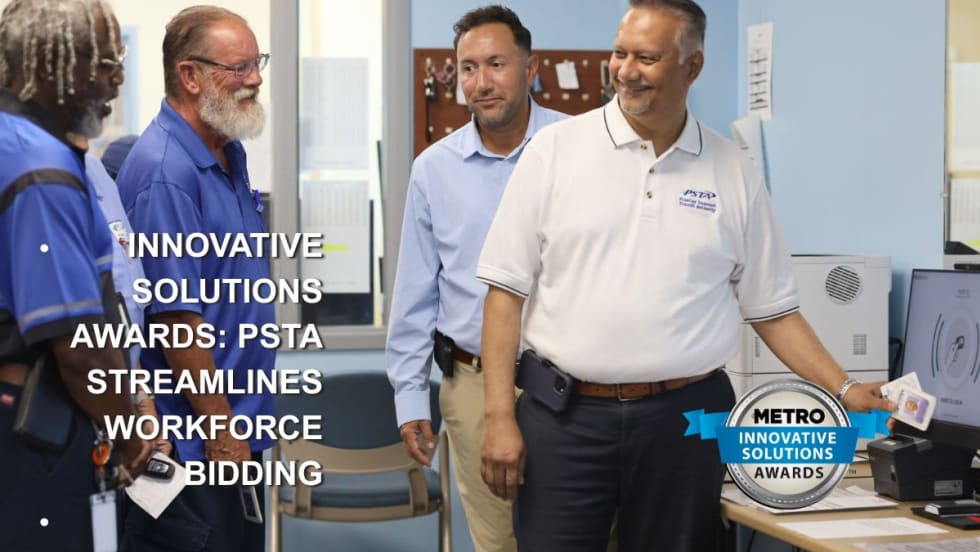
PSTA Modernizes Workforce Management with Digital Bidding System
The award-winning Workforce Transit Modernization project replaced paper bidding with a transparent digital platform, cutting administrative effort while improving access for operators.
Read More →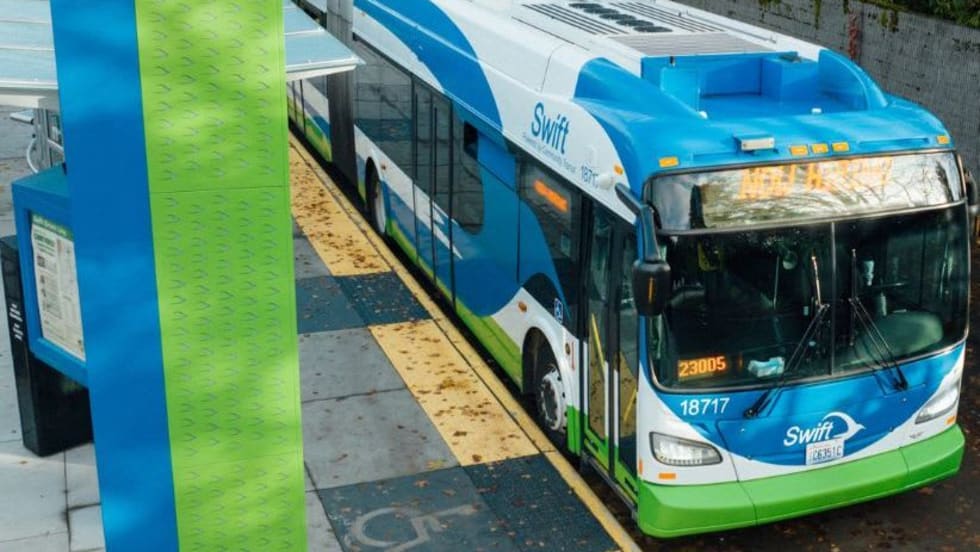
Washington's Community Transit Sets Six-Year Roadmap for Growth, Expansion
Approved TDP targets more bus service, new mobility options, Swift BRT expansion, and a potential Everett Transit annexation.
Read More →
DART Customer Satisfaction Reaches Six-Year High
Overall satisfaction rose to 74.9%, while the agency’s Net Promoter Score reached a record 33.7.
Read More →
How DART's GoPass Is Redefining Regional Mobility
Serving 14 transit agencies, GoPass simplifies multimodal travel by allowing riders to plan, pay for, and manage an entire trip through one app.
Read More →
Biz Briefs: OCTA Taps Clean Energy for Hydrogen Station, Stadler to Supply Via Rail Vehicles, and More
From manufacturers and suppliers to transit agencies and motorcoach operators, these updates offer a snapshot of the projects, partnerships and business moves driving the industry forward.
Read More →
METRO Magazine Announces 2026 Innovative Solutions Awards Winners
Projects Recognized for Advancing Mobility Through Technology, Accessibility, Workforce Innovation, and Operational Excellence
Read More →
Biz Briefs: STV teams with Amtrak, Motorcoach Operators Boost Fleet and Land Contracts, and More
From manufacturers and suppliers to transit agencies and motorcoach operators, these updates offer a snapshot of the projects, partnerships and business moves driving the industry forward.
Read More →
LA Metro Marks Banner Year, Sets Ambitious Goals for New Fiscal Year
Incoming LA Metro Board Chair and Los Angeles Mayor Karen Bass joined outgoing Board Chair Fernando Dutra and LA Metro CEO Stephanie Wiggins to review accomplishments from fiscal year 2026, which included the opening of new rail extensions, advancement of major transit projects, expanded safety programs, and new rider amenities.
Read More →