



Go West Transit eliminates fare on all routes
The decision to abolish fares affected four of the system’s 12 routes. The eight other routes already were fare-free.

Go West Transit, the transit system for Western Illinois University (WIU) and the surrounding community in Macomb, Ill., has eliminated fares on all of its routes, making it the only fare-free, fixed-route system in the state.
Jude Kiah, director of Go West, said the decision to abolish fares affected four of the system’s 12 routes. The eight other routes already were fare-free.
Kiah said the revenue generated by those four routes was relatively small, especially after Illinois Gov. Rod Blagojevich eliminated bus fares for seniors and the disabled earlier this year. “With the categories that were eliminated from fares by the governor, we estimated we would collect only $3,500 a year,” he said.
Rather than risk placing a financial burden on citizens who might not be able to afford even 50 cents for a one-way ride, the Macomb City Council voted Oct. 20 to eliminate the fare. “Eliminating fares on the city routes was the right thing to do for all of the passengers who frequent the system,” Kiah said. “There really was no financial reason to continue to collect fares.”
Kiah said the system, which provides 55,000 rides per week, receives local funds of approximately $650,000. “We will not have to worry about that kind of lost revenue,” he said. WIU students are not affected by the elimination of fares because they already ride for free.
More Bus
SamTrans Sets Priorities for Potential Connect Bay Area Revenue
The board-approved framework allocates future funding to maintaining service, rider improvements, equity initiatives, and infrastructure repairs.
Read More →
When Routine Fails: How Public Transit Must Adapt for the World Cup
The 2026 FIFA World Cup will test transit agencies’ ability to manage unpredictable travel patterns, making real-time data and operational flexibility critical to moving millions of visitors efficiently.
Read More →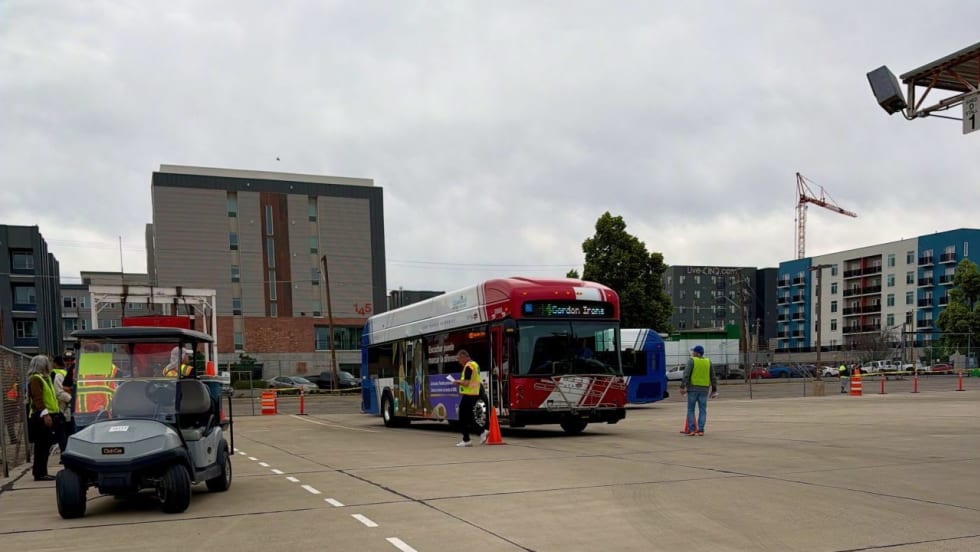
Photo Highlights from APTA's 2026 Mobility Conference
The photo gallery captures scenes from the conference, including the International Bus Roadeo, exhibit hall activities, the Bus Showcase, and much more.
Read More →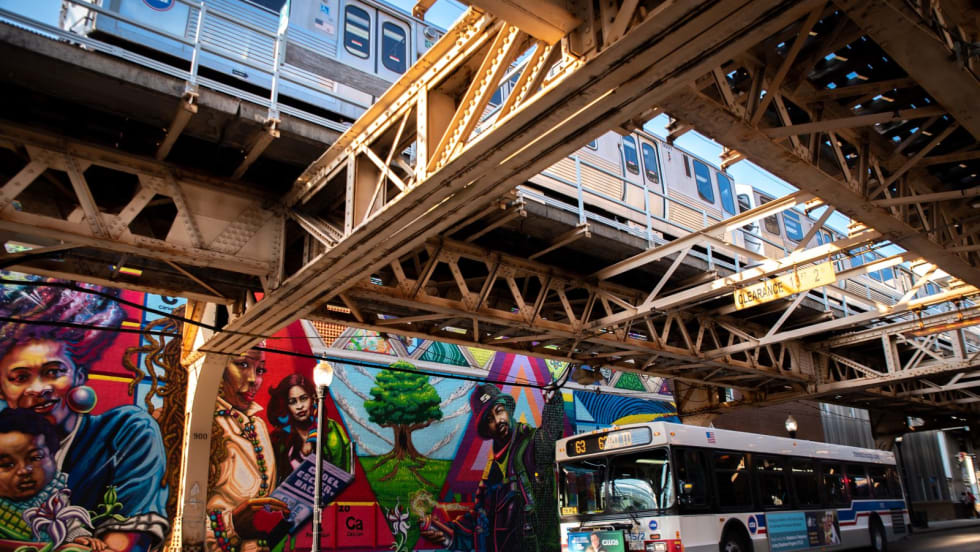
Chicago's NITA Act Moves Into Next Phase as Service Improvements Begin
Rider-focused improvements will begin rolling out across the system immediately as CTA, Metra, and Pace increase service this summer in the six-county region.
Read More →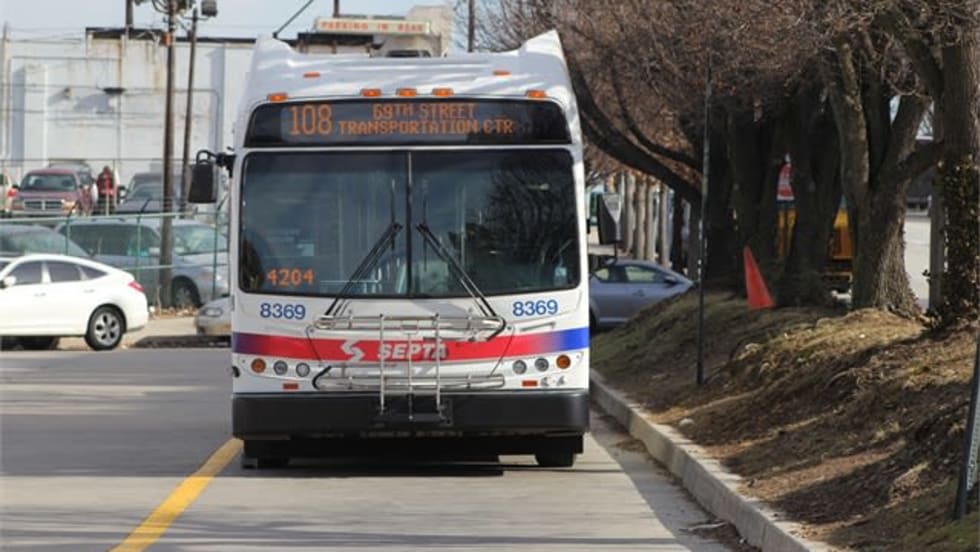
Philadelphia's SEPTA Approves Annual Transit Service Plan
Between 2021 and 2024, SEPTA held more than 200 public meetings — including 144 in-person sessions — throughout the SEPTA service region.
Read More →
A True Low-Floor Minibus Design Delivers Better Accessibility and Efficiency for Everyone
As transit demands evolve, so should your fleet. Download the whitepaper to see how the Low-Floor Frontrunner Minibus compares to traditional options.
Read More →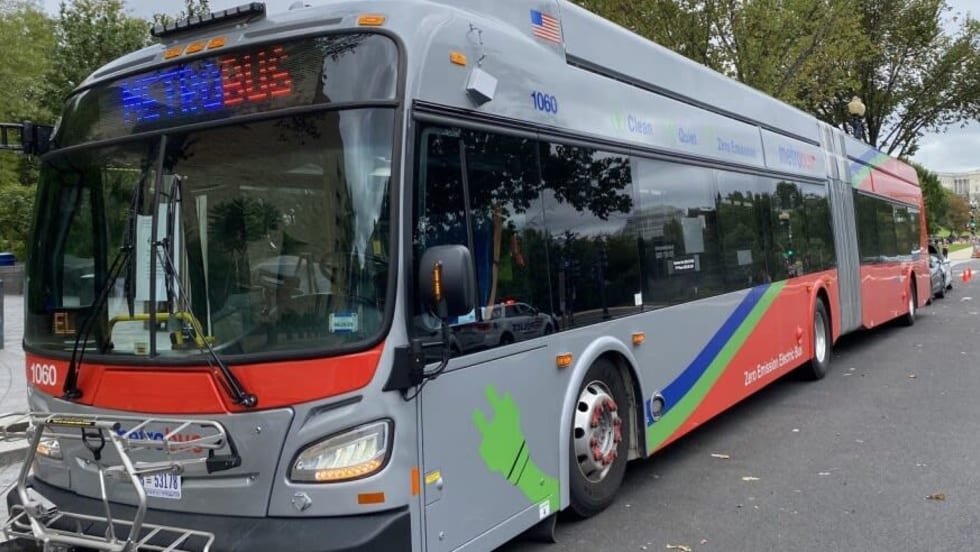
WMATA Debuts 'Fares Pay for Service' Awareness Campaign
The campaign was highlighted during a media event at the Paul S. Sarbanes Transit Center in Silver Spring, where WMATA’s GM/CEO Randy Clarke joined Metro Transit Police officers, WMATA management team, board members, and staff to expand fare enforcement and customer education efforts on Metro Bus routes throughout the region.
Read More →
Biz Briefs: Foothill Gold Line Award, Matawan Contract, and More
From strategic partnerships to acquisitions and service expansions, the industry continues to evolve at a rapid pace. Find out all the latest here.
Read More →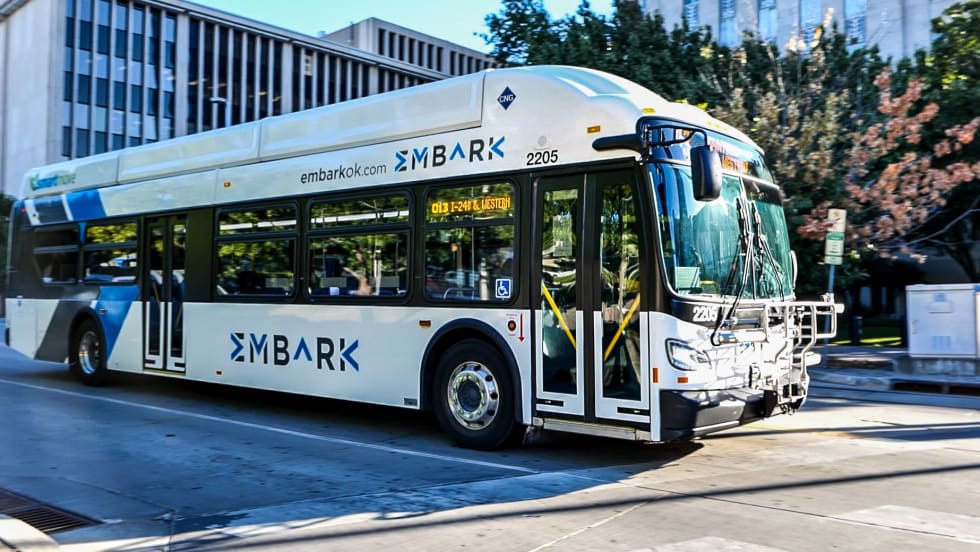
Inside Look: EMBARK Expands Fare-Free Transit Program Through New Public-Private Partnership
The OKC transit agency says sponsorship helps subsidize the Third Friday Free initiative while reducing barriers for first-time riders and boosting ridership across buses, streetcars, and river cruises.
Read More →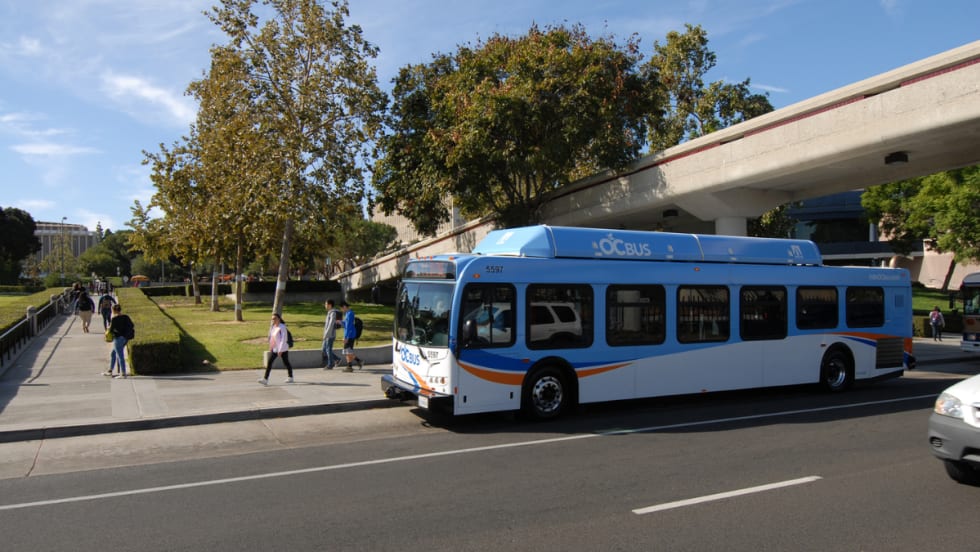
OCTA Sees Growing Adoption of Wave Fare Payment System
Since launching in October 2025, the Wave system has steadily replaced previous fare media with faster, more flexible payment options designed to streamline boarding, improve reliability, and help riders more easily access fare discounts and cost-saving benefits, said OCTA
Read More →