



L.A.’s MTA Backs Away from Diesels, Orders More CNGs from NABI
Rejecting an extensively research staff recommendation, the board of directors of the Los Angeles County Metropolitan Transit Agency (LACMTA) voted instead to buy up to 1070 more compressed-natural-gas-powered buses. The vote preserves a decision made last year to buy all alternatively fueled buses.

Rejecting an extensively research staff recommendation, the board of directors of the Los Angeles County Metropolitan Transit Agency (LACMTA) voted instead to buy up to 1070 more compressed-natural-gas-powered buses. The vote preserves a decision made last year to buy all alternatively fueled buses. The vote also represents one of the largest contracts in the history of the US transit bus industry. The contract, to the NABI Group, calls for the supply of a 370 bus base quantity with options for 700 more, for a total of 1,070. Total value of the contract is US $333 million The company said that the order is biggest since the founding of the NABI Group and will be fulfilled between 2002-2004. Already, it started deliveries to its existing 430 bus Los Angeles order in February this year and will complete the first 215 buses by the end of the first half of 2000. With the completion of the new contract 1500 NABI buses will operate in Los Angeles, meaning that NABI buses will make up 60 per cent of LACMTA’s total fleet. The contract also culminated an interesting procurement method designed to provide the board with two options but at the same time preserving an aggressive procurement timeline at the MTA. Bidders were invited to submit a proposal and price for buses with currently available clean-diesel technology and one for CNG engines. However, those who did not submit both a diesel and CNG bid were disqualified. A third-party escrow officer kept the information sealed except the lowest prices for CNG and diesel, which they transmitted to the MTA for analysis purposes. Only when the board made the decision regarding fuel did the staff announce the prices and winner. Because of the two-bid method, it did so immediately after the board vote. The decision capped a heated public hearing about the pros and cons of both CNG and diesel technology. Although everyone generally agreed that the CNG option was clearly more expensive, private sector vendors and California Governor Gray Davis proposed both pricing and funds respectively to cover the cost difference. Although several people testified that CNG emits more greenhouse-gas emissions than that of diesel under expected federal regulations governing diesel fuel and engines, the information failed to sway the board. Despite their recommendation going down, MTA staff members remained upbeat. John Drayton, key staffer in MTA’s bus procurement and a chief architect of the diesel recommendation report, felt that the episode was “successful” and could live with either recommendation. “Our primary goal was to begin discussion of these issues” in light of new regulations and new technologies, he said. "We accomplished that."
More Management

Joshua Schank on Transportation Innovation, Risk, and the Future of Mobility
In this edition of METROspectives, Joshua Schank discusses lessons from launching LA Metro’s Office of Extraordinary Innovation, the challenges of advancing new mobility technologies, and much more.
Read More →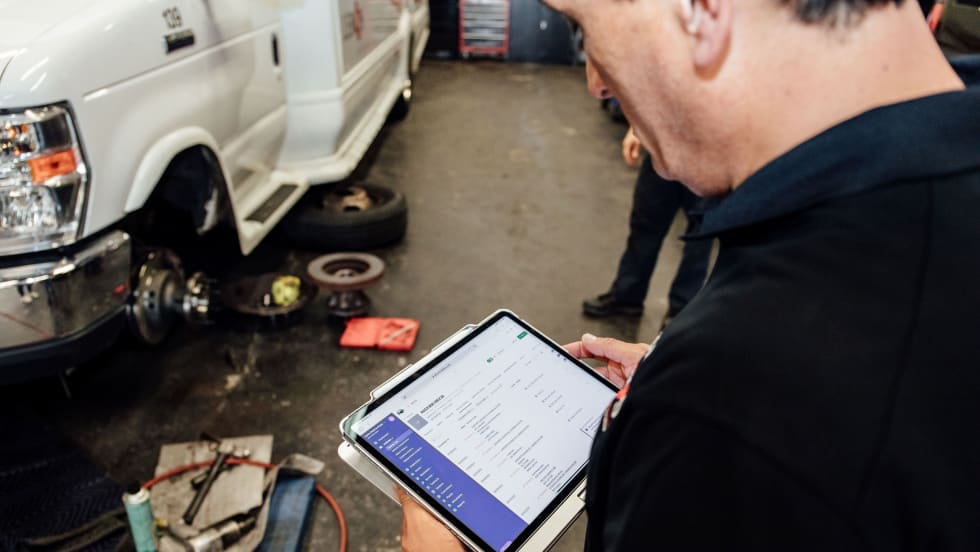
Reinventing Fleet Maintenance with Real-time Visibility and AI
Transit leaders need to know what needs fixing, where to look, who is responsible, when work is completed, and what it costs without having to chase information across disconnected systems.
Read More →
Alstom Acquires Delaware Site to Support Amtrak NextGen Acela Fleet
The company is investing more than $55 million to acquire and improve the property and will employ approximately 100 people at this site once it is operational.
Read More →
SamTrans Sets Priorities for Potential Connect Bay Area Revenue
The board-approved framework allocates future funding to maintaining service, rider improvements, equity initiatives, and infrastructure repairs.
Read More →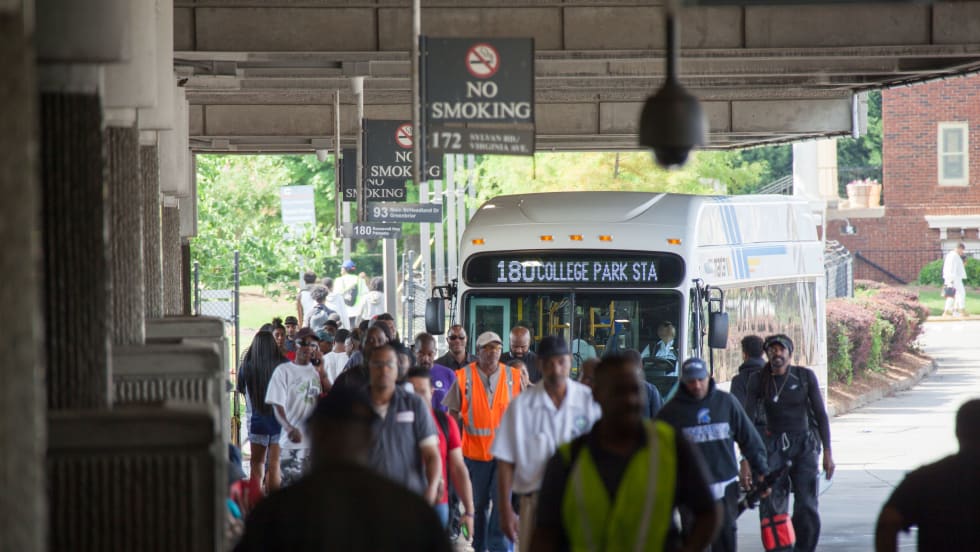
Federal Transit Officials Launch MARTA Safety Probe
FTA has given MARTA 15 days to provide records on crime prevention, fare evasion enforcement, and security funding as part of a broader safety investigation.
Read More →
ABA's Ferguson Testifies in Support of BUS Act, National Standards for Bus Operators
The BUSES Act would create a nationwide framework preventing state and local governments from enforcing bus idling restrictions of less than 15 minutes, a threshold consistent with existing Environmental Protection Agency guidance.
Read More →
When Routine Fails: How Public Transit Must Adapt for the World Cup
The 2026 FIFA World Cup will test transit agencies’ ability to manage unpredictable travel patterns, making real-time data and operational flexibility critical to moving millions of visitors efficiently.
Read More →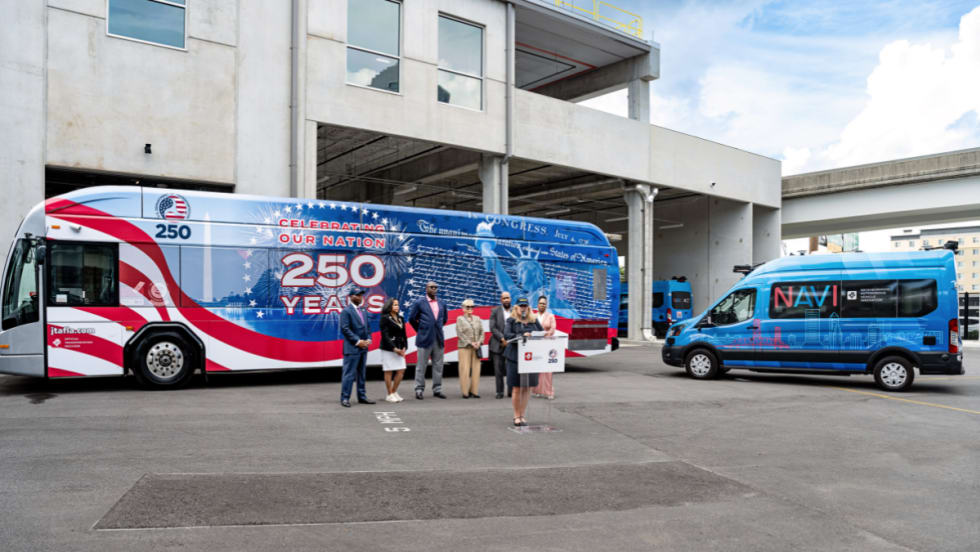
Florida’s JTA Puts Innovation in Motion Ahead of America250
The agency unveiled a commemorative America250 bus during a visit from U.S. DOT's Seval Oz and showcased its autonomous mobility programs.
Read More →
California Selects Team for Nation’s First True High-Speed Rail Track and Systems Contract
The board action follows completion of track installation at the 150-acre southern railhead in Kern County, which will serve as the staging and distribution hub for high-speed track and systems installation.
Read More →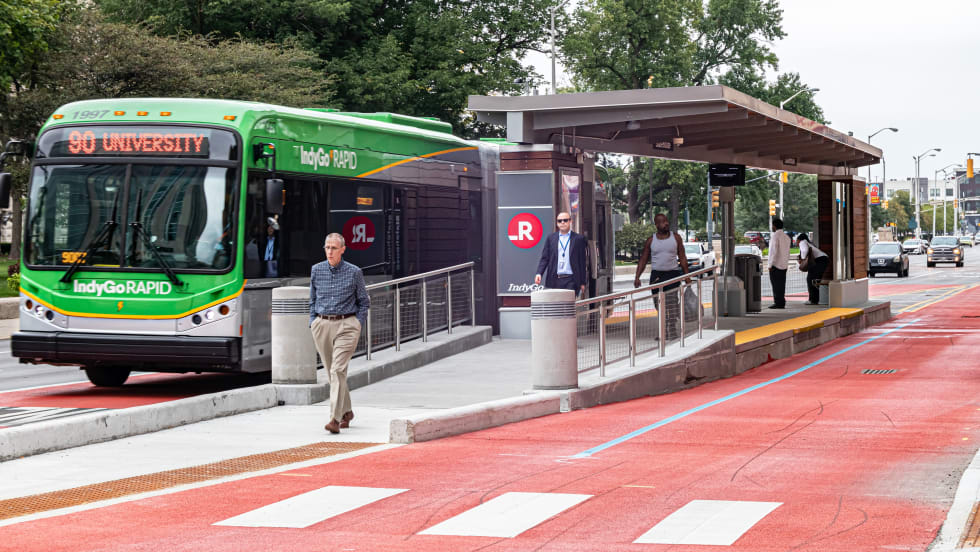
IndyGo, Cleveland RTA Expand Digital Fare Payment Options with Masabi
The new systems combine mobile apps, smart cards, and automatic fare capping to simplify payments, expand flexibility, and help riders access the lowest available fares.
Read More →