



DaimlerChrysler Sells Adtranz to Bombardier
Bombardier Inc. announced it has signed an agreement with DaimlerChrysler AG to acquire its subsidiary DaimlerChrysler Rail Systems GmbH (Adtranz), based in Berlin.

Bombardier Inc. announced it has signed an agreement with DaimlerChrysler AG to acquire its subsidiary DaimlerChrysler Rail Systems GmbH (Adtranz), based in Berlin. Bombardier will pay $725 million for Adtranz, but with the sale of Adtranz’s signaling and fixed installations businesses the sale price could be reduced further. The transaction is subject to the approval of all appropriate regulatory authorities. "The combination of Bombardier Transportation and Adtranz will position the new entity among the industry leaders in all activities related to the production of rail vehicles in world markets," said President and Chief Executive Officer of Bombardier, Robert E. Brown. "This acquisition would complement our transportation activities in terms of geographical markets, products and services, broader capabilities, expertise and assets.” “The coming together of our two entities will benefit customers as it will allow us to offer a full range of state-of-the-art products and services,” added Bombardier Transportation President Jean-Yves Leblanc. “Our access to complementary technologies, such as propulsion systems, train control and communications systems and electric locomotives, will enhance our ability to compete vigorously in all markets.” Bombardier has for several years been on the acquisition hunt for a supplier of complementary equipment lines. Last year it nearly merged with Siemens Transportation Systems but talks broke down over the issue of management control. Jurgen Schrempp, Chairman of DaimlerChrysler's Board of Management, said: "Having progressively increased Adtranz's performance to a breakeven point, it is now an appropriate time to place Adtranz with a company which values rail activities as one of its core businesses. We feel Bombardier is the company best equipped to take Adtranz into the future." DaimlerChrysler increased its ownership of Adtranz to 100% in early 1999 after it bought out the half owned by the Swiss-Swedish conglomerate ABB. Adtranz's revenues for 1999 totaled $3.4 billion. Bombardier Transportation currently employs 16,000 people and its revenues for the fiscal year ended January 31, 2000 reached $2.3 billion. For Daimler, the sale is another move in its strategic focus on road vehicles. Earlier this year its aerospace unit merged with Aerospatiale Matra to form EADS, which Daimler still retains a substantial interest but is expected to sell its share of the company as it is spun off in public offerings.
More Management
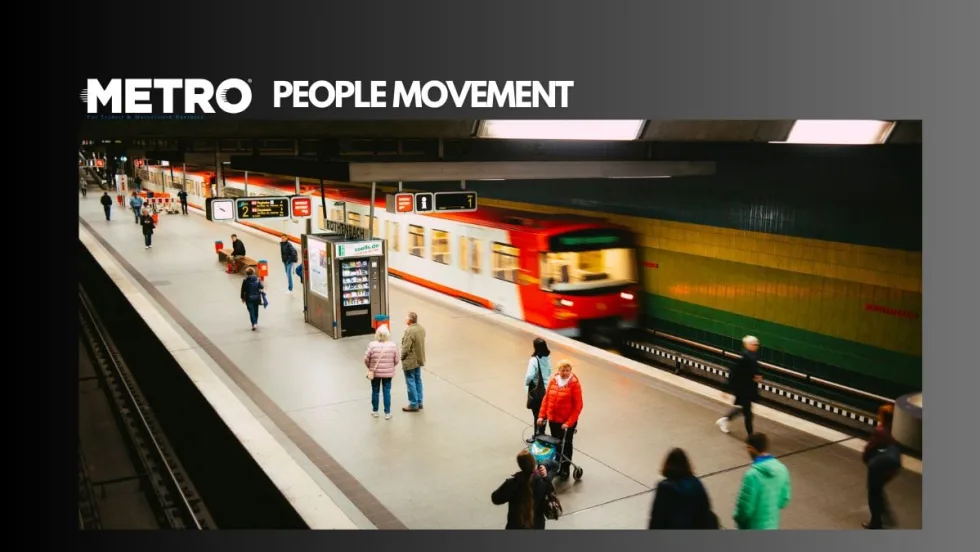
People Movement: Connectpoint Expands Leadership Team, Stadler Names New Group CEO, and More
In this edition, we also spotlight recent personnel moves at Burns, UZURV, and more, highlighting the people taking on new roles across the transportation industry.
Read More →
More Than a Summer Job: Building the Next Generation of Transit Talent
The Delaware River Port Authority and PATCO have transformed their internship program into a hands-on professional development experience that introduces students to the breadth of transportation careers — and creates a pipeline for future employees.
Read More →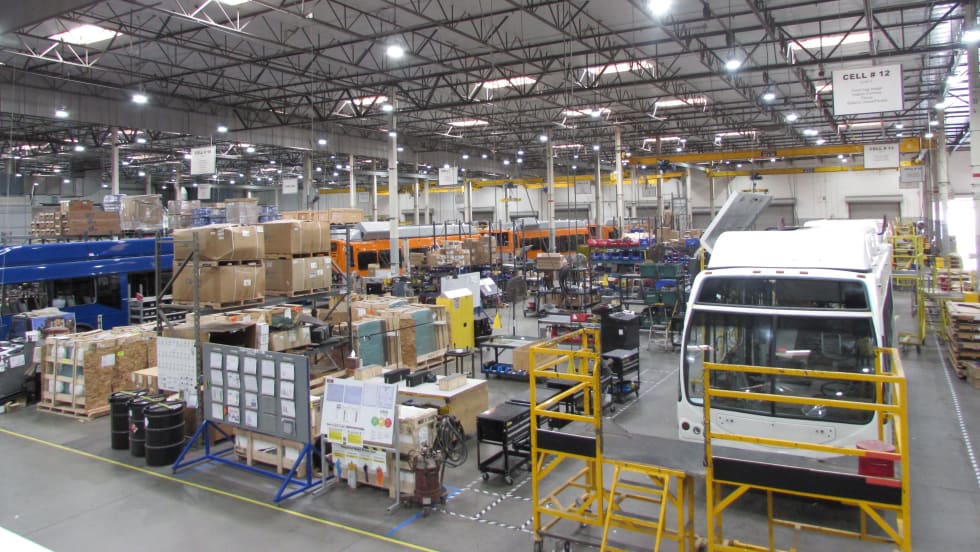
LA Metro Board Awards 220 Battery-Electric Bus Contract to ENC
The contract, which is the largest base award of battery-electric buses by a U.S. transit agency, will be built in Southern California, sustaining good jobs as LA prepares to welcome the world in 2028
Read More →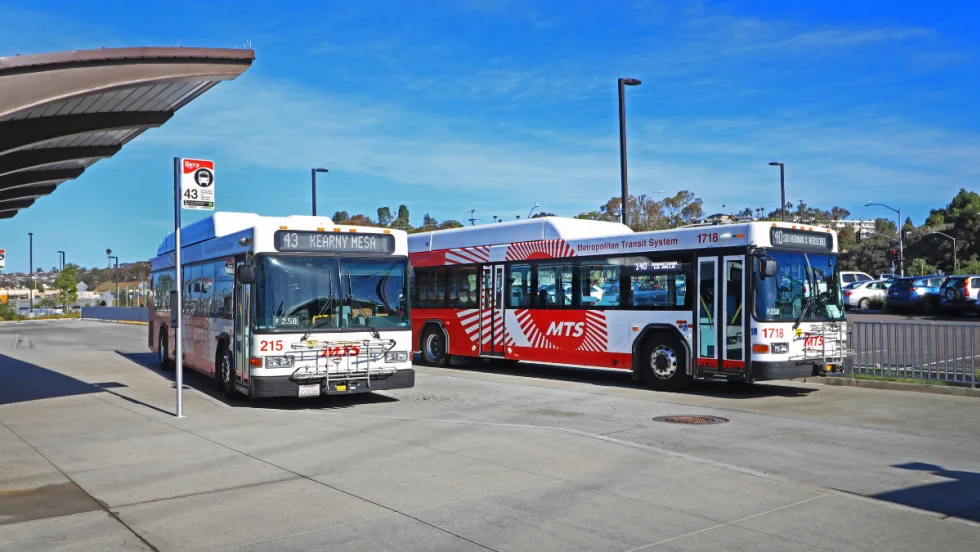
What’s Behind San Diego MTS’s Award-Winning Transit Strategy
Named one of APTA’s 2026 Outstanding Public Transportation Systems with 50 million or more annual passenger trips, California’s San Diego Metropolitan Transit System points to gains in ridership, safety, technology, and reliability as foundations of its success.
Read More →
Public Transit Conference Returning to GFX in 2027, Call for Papers Now Open
The Call for Papers is now open, allowing transit agency professionals and industry experts to help shape the PTC educational program by submitting session ideas for consideration.
Read More →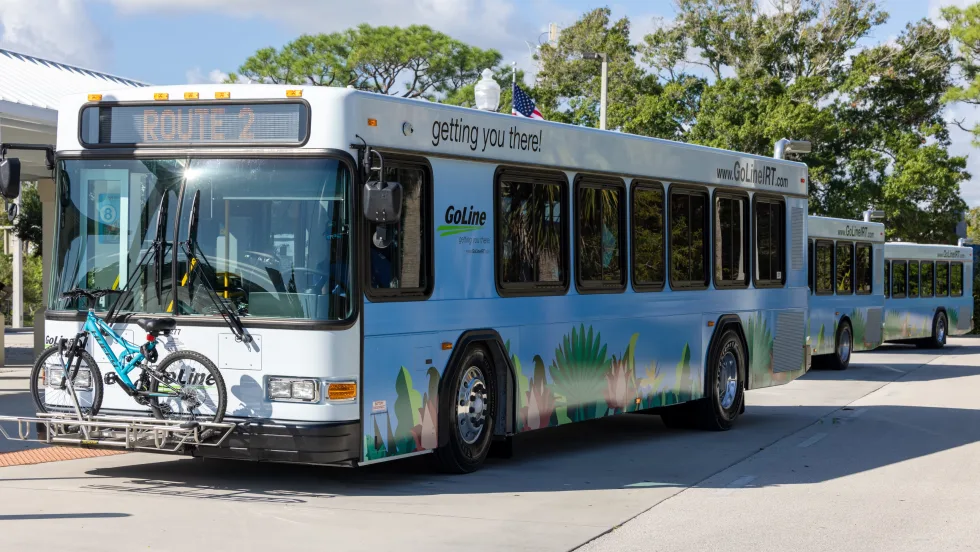
Indian River Transit’s Community-Focused Approach Earns National Recognition
Named APTA’s 2026 Outstanding Public Transportation System in its size category, Florida’s Indian River County transit system continues to grow ridership through fare-free service and a focus on evolving community needs.
Read More →
ENC Lands MATA Contract and More in Biz Briefs
In this edition of Biz Briefs, we spotlight the latest developments shaping the future of mobility.
Read More →
From Surviving to Thriving: Building Stronger Transportation Organizations
Bus Business Consultants founder Brian Dickson shares lessons on leadership, organizational health, and creating options for long-term success in a changing transportation industry.
Read More →
Everett Transit, Community Transit Outline Consolidation Agreement
The proposed agreement calls for a 50% increase in bus service in Everett, a new microtransit zone, continued paratransit service, and the transfer of Everett Transit operations to Community Transit.
Read More →
Strada360’s Steve Lassey on Turning Transit Data Into Better Decisions
From breaking down data silos to preparing for AI, Strada360 CEO Steve Lassey discusses how transit agencies can use technology to improve operations, customer information, and long-term decision-making.
Read More →