



L.A. Metro completes Blue Line improvements, rebrands as A Line
The agency's board approved a new line naming convention citing the need for more consistency as the system grows.

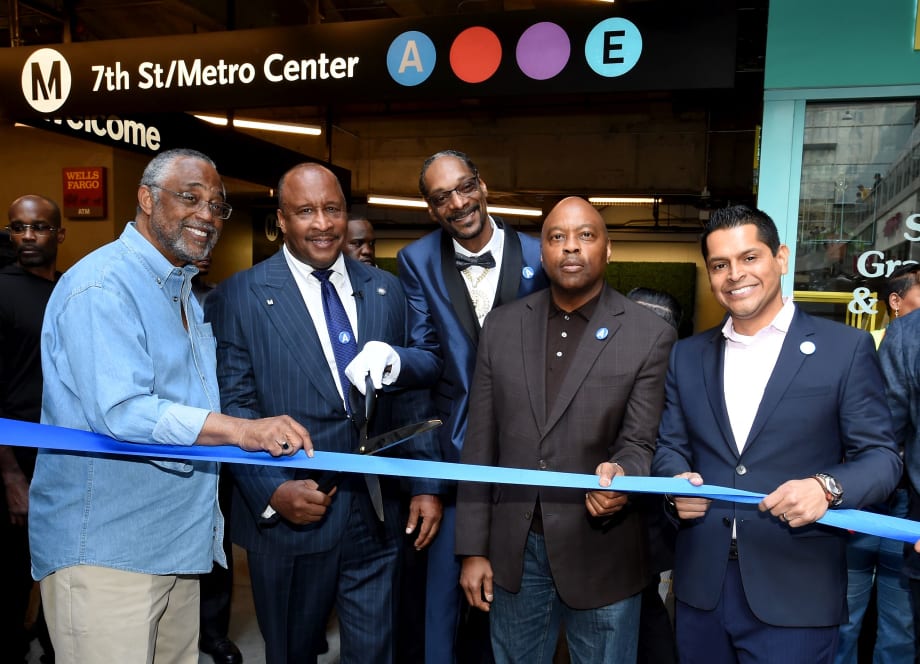
Rapper and entertainer Snoop Dogg (center) joined Metro CEO Phillip A. Washington in cutting the ribbon for the new A Line during an event.
LA Metro

With the completion of the New Blue Improvement Project, L.A. Metro’s new rail and bus rapid transit (BRT) line renaming convention will go into effect with Metro’s Blue line now being referred to as the A Line. This begins a three-year process to rename all Metro Rail and BRT lines by 2022.
Under the new system, each Metro Rail and BRT line will be designated by a letter and color. The Metro board approved a new line naming convention in November 2018, citing the need for more consistency as the system grows.
The new naming convention helps alleviate several issues. In the past, most Metro Rail lines were named after colors except for the Expo Line and the Crenshaw/LAX Line that are named after street names and places — which riders may find confusing. Metro’s system map has also been reliant on colors and can be difficult to read for those who are color blind. Adding letters will help avoid this problem.

Starting with the A Line, most station signage will simply show the letter A within a colored dot. The rest of Metro Rail and the Silver Line and Orange Line will transition to the new naming convention when the Crenshaw/LAX line opens. The Crenshaw/LAX Line currently does not have a letter name as Metro’s operation staff is still working on finalizing the line’s operational plan.
“We believe this is great news for the region because we have big plans for new rail and bus rapid transit lines in the years to come,” said Metro CEO Phillip A. Washington. “This new naming convention will help keep our system easy to navigate and make it more user friendly — and, thus, improve the customer experience.”
Under the new naming convention, the Red Line will eventually become the B Line, the Green Line will be the C Line, the Purple Line the D Line, and the Expo Line the E Line, to name a few examples. The Gold Line will become the J Line until the Regional Connector opens and ties together the Blue, Expo, and Gold Lines. The eventual Azusa to Long Beach line created by the Connector will be known as the A Line, while the East Los Angeles to Santa Monica line will be the E Line.
More Management
Joshua Schank on Transportation Innovation, Risk, and the Future of Mobility
In this edition of METROspectives, Joshua Schank discusses lessons from launching LA Metro’s Office of Extraordinary Innovation, the challenges of advancing new mobility technologies, and much more.
Read More →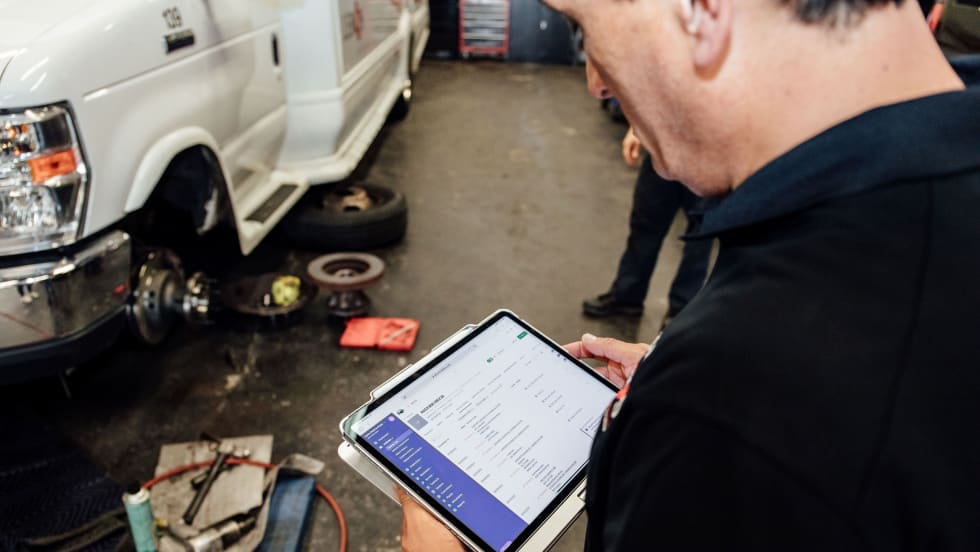
Reinventing Fleet Maintenance with Real-time Visibility and AI
Transit leaders need to know what needs fixing, where to look, who is responsible, when work is completed, and what it costs without having to chase information across disconnected systems.
Read More →
Alstom Acquires Delaware Site to Support Amtrak NextGen Acela Fleet
The company is investing more than $55 million to acquire and improve the property and will employ approximately 100 people at this site once it is operational.
Read More →
SamTrans Sets Priorities for Potential Connect Bay Area Revenue
The board-approved framework allocates future funding to maintaining service, rider improvements, equity initiatives, and infrastructure repairs.
Read More →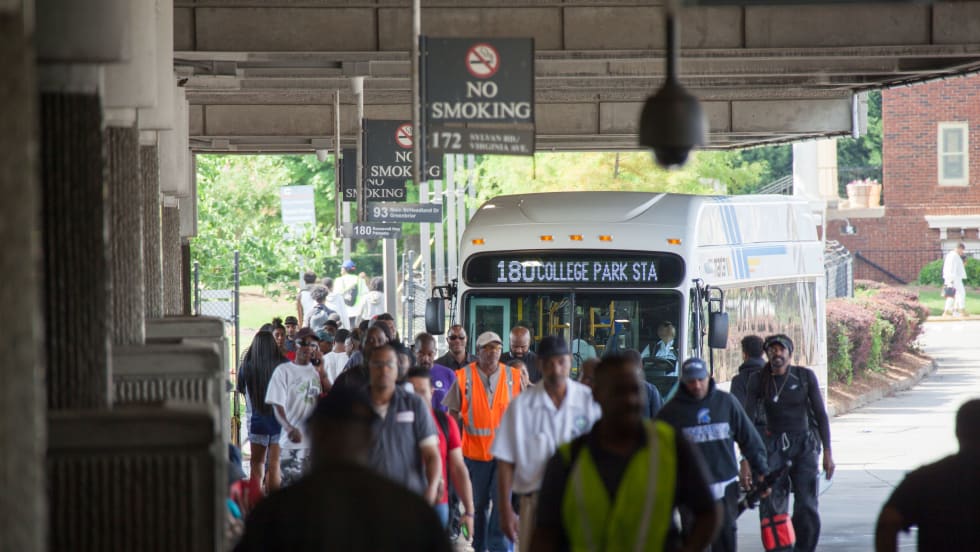
Federal Transit Officials Launch MARTA Safety Probe
FTA has given MARTA 15 days to provide records on crime prevention, fare evasion enforcement, and security funding as part of a broader safety investigation.
Read More →
ABA's Ferguson Testifies in Support of BUS Act, National Standards for Bus Operators
The BUSES Act would create a nationwide framework preventing state and local governments from enforcing bus idling restrictions of less than 15 minutes, a threshold consistent with existing Environmental Protection Agency guidance.
Read More →
When Routine Fails: How Public Transit Must Adapt for the World Cup
The 2026 FIFA World Cup will test transit agencies’ ability to manage unpredictable travel patterns, making real-time data and operational flexibility critical to moving millions of visitors efficiently.
Read More →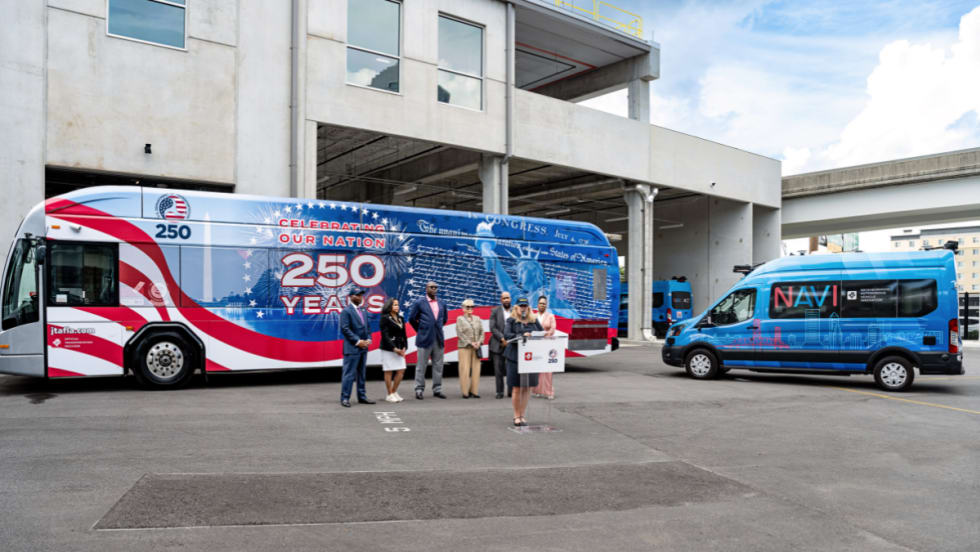
Florida’s JTA Puts Innovation in Motion Ahead of America250
The agency unveiled a commemorative America250 bus during a visit from U.S. DOT's Seval Oz and showcased its autonomous mobility programs.
Read More →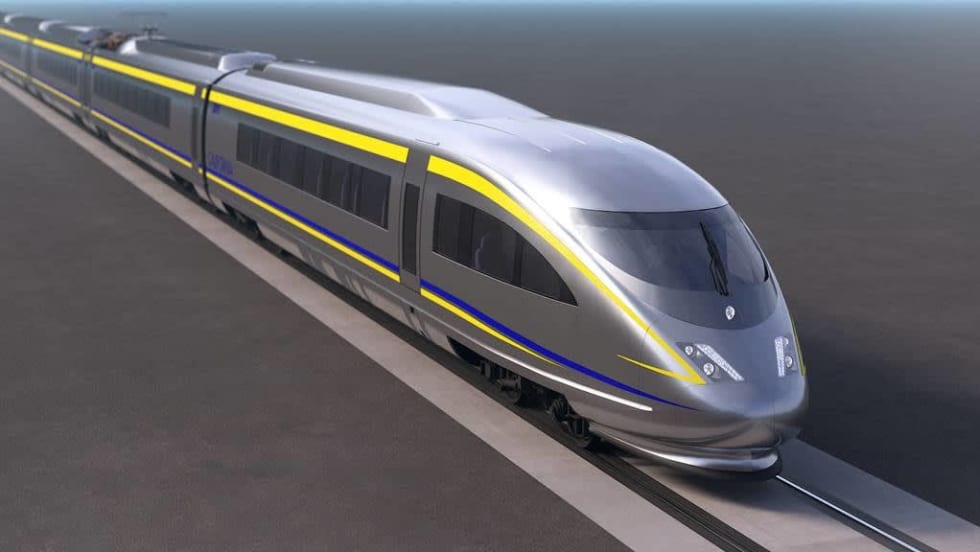
California Selects Team for Nation’s First True High-Speed Rail Track and Systems Contract
The board action follows completion of track installation at the 150-acre southern railhead in Kern County, which will serve as the staging and distribution hub for high-speed track and systems installation.
Read More →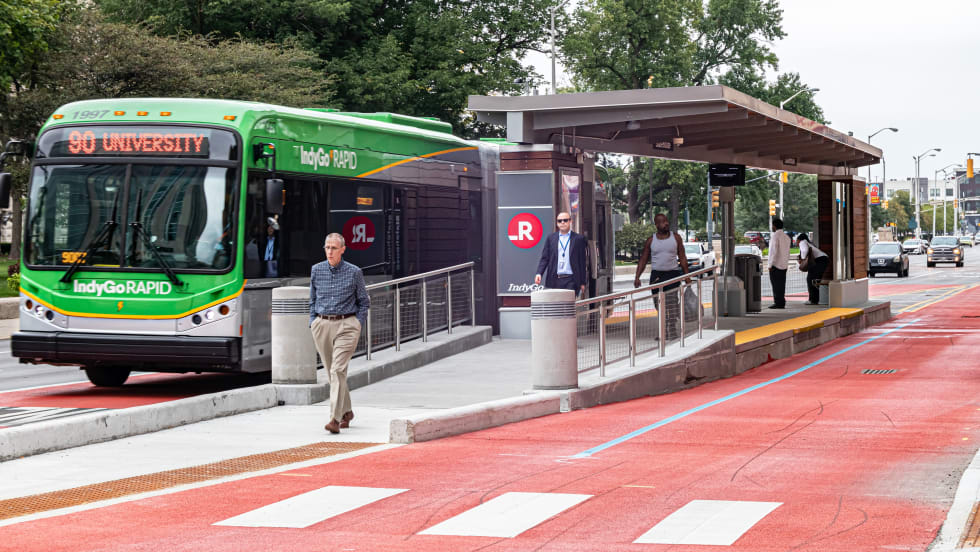
IndyGo, Cleveland RTA Expand Digital Fare Payment Options with Masabi
The new systems combine mobile apps, smart cards, and automatic fare capping to simplify payments, expand flexibility, and help riders access the lowest available fares.
Read More →