Omnitrans Deputy GM Erin Rogers was named interim CEO/GM of the transit agency effective November 7, 2019.
2 min to read
Omnitrans Deputy GM Erin Rogers was named interim CEO/GM of the transit agency effective November 7, 2019.
Omnitrans announced the appointment of Deputy GM Erin Rogers as interim CEO/GM of the transit agency effective November 7, 2019. She takes over for CEO/GM P. Scott Graham who will be departing after 13 years of service.
“We are confident in Erin’s ability to lead the Omnitrans team into a new era of transit as we transition to a zero-emission bus fleet and implement more flexible and efficient bus service,” said David Avila, Omnitrans board chair and Yucaipa Mayor Pro Tem.
Ad Loading...
Rogers, who joined Omnitrans in 2017, brings three decades of experience in the transit industry to her leadership role at Omnitrans including 16 years at Orange County Transportation Authority (OCTA). There she held the position of assistant GM for 10 years and was responsible for oversight and management of all fixed route bus and paratransit operations.
She plans to focus on developing a strong safety culture, excellent customer service, smart use of technology, and ensuring efficient and cost-effective service delivery.
Omnitrans CEO/GM P. Scott Graham joined the agency in 2006.
Graham originally joined Omnitrans in 2006 as Director of Operations before being tapped to lead the agency in 2013. He previously worked at OCTA for 12 years and had a 26-year career in the U.S. Marine Corps.
“I’m proud to have led Omnitrans during a time when the agency implemented the innovative sbX bus rapid transit line, opened the multimodal San Bernardino Transit Center, and earned the Gold Award in Safety and Security from the American Public Transit Association,” said Graham.
Omnitrans currently employs about 720 people directly and has 220 contracted employees. Annual ridership tops 10 million on 34 bus routes and paratransit services combined. The agency fleet includes 178 transit coaches and 106 vans and minibuses for demand-response.
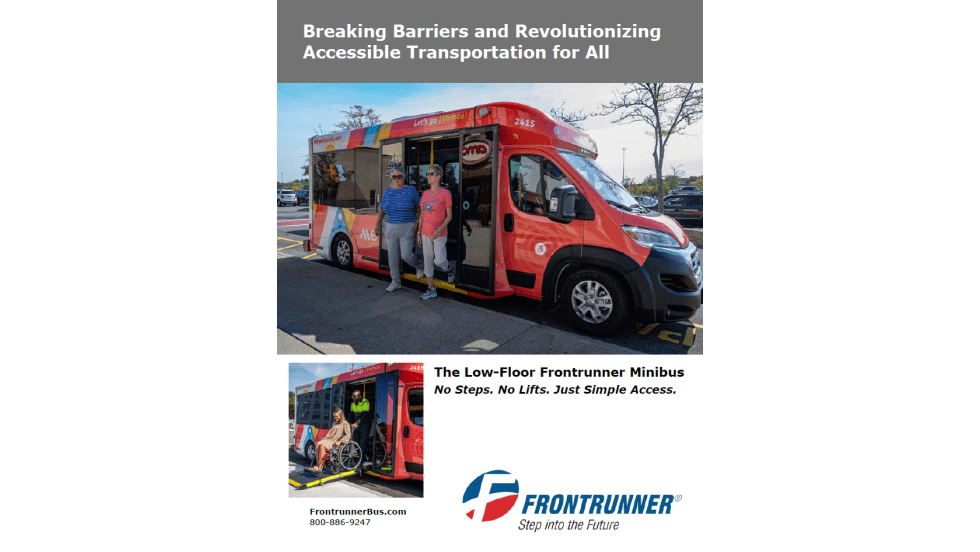
Accessible transit isn’t a feature—it’s a responsibility. This whitepaper explores how the Low-Floor Frontrunner is redefining mobility with a breakthrough design that removes barriers, empowers riders, and delivers measurable operational advantages for agencies. Discover why this next generation minibus is setting a new standard for inclusive transportation.
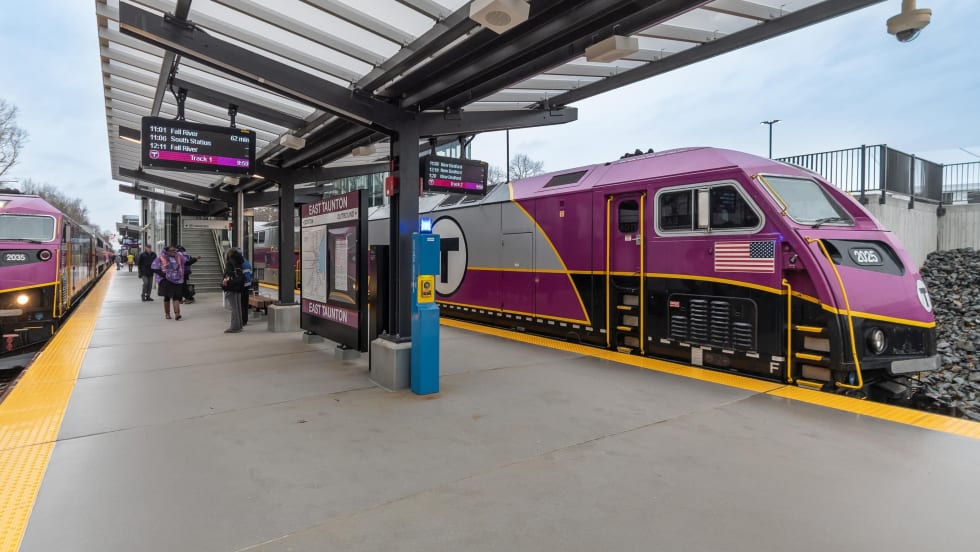
With major events and increased travel expected across the state this summer, the Administration is focused on making sure people have a reliable, affordable alternative to driving so we can reduce congestion, support daily commuters, and keep Massachusetts moving.
As the American Bus Association marks its 100th year, a new ABA Foundation report highlights the Marketplace’s role as a key revenue engine for the bus and group travel industry.
As motorcoaches navigate increasingly congested urban corridors filled with pedestrians, cyclists, scooters, and distracted drivers, safety leaders across the industry are confronting a growing challenge: visibility.
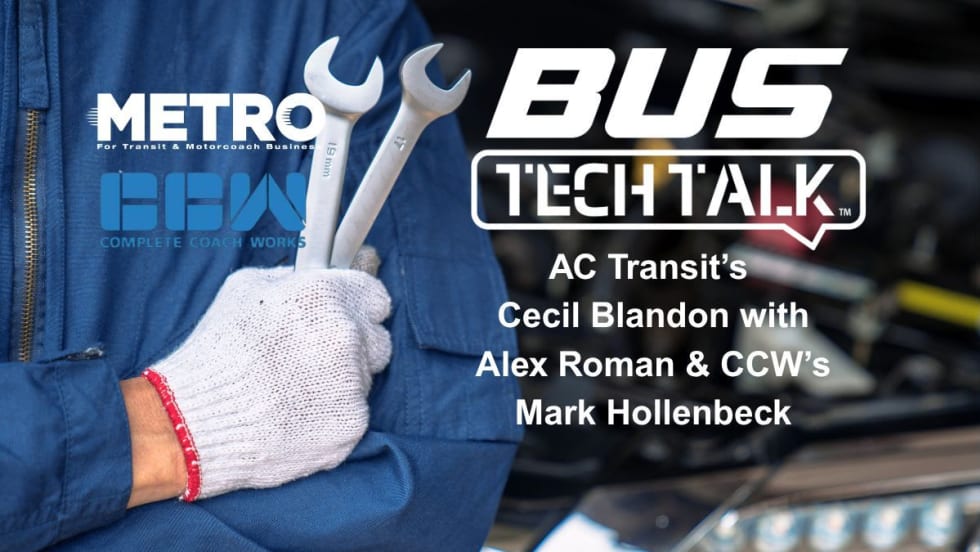
In part 1 of a two-part conversation, AC Transit’s director of maintenance joins co-hosts Alex Roman and Mark Hollenbeck to discuss his journey from the U.S. Marines to public transit and the role mentorship plays in developing the next generation of industry leaders.
In reaching its decision, the board considered the District’s mounting long-term structural deficits, with current projections forecasting annual operating deficits of about $50 million beginning in FY 2027-28 and continuing in the years ahead.
The $143 million spending plan represents a 2.4% reduction from last year’s budget. Increasing expenses, along with depleted federal COVID-19 funds, continue to impact the overall budget, CDTA officials said.