The cars are designed and manufactured by Kawasaki Rail Car, based in Yonkers, N.Y.
LIRR
2 min to read
The cars have exterior destination signs on the front of cars that are visible to passengers as the train approaches the station, similar to the new cars on Metro-North’s New Haven Line.
LIRR
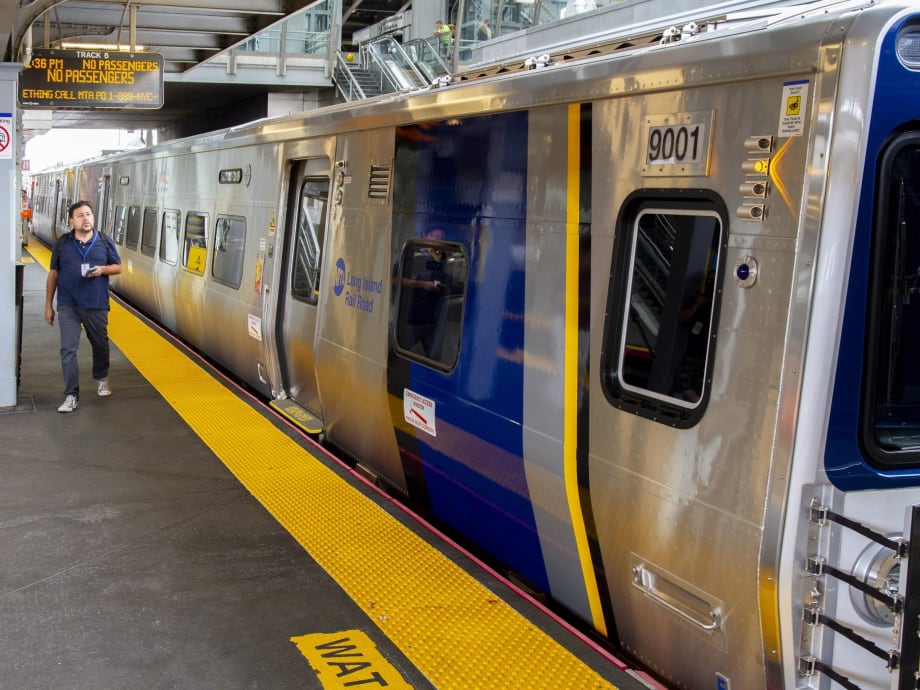
Long Island Rail Road (LIRR) introduced its next fleet of railcars, known as the “M9” cars, into passenger service on Wednesday.
The new cars incorporate and improve upon the most successful and popular features of the MTA’s two recent electric car fleets, the LIRR’s familiar M7s electric cars, and the M8 cars serving Metro-North’s New Haven Line, and will enhance safety.
Ad Loading...
The fleet will consist of 202 cars, the last of which are expected to begin passenger service in March 2021.
The cars have exterior destination signs on the front of cars that are visible to passengers as the train approaches the station, similar to the new cars on Metro-North’s New Haven Line. They also feature electrical outlets on both sides of the car in each row of seats, and closed loop armrests that won’t tear garments or catch bag straps.
The cars are designed and manufactured by Kawasaki Rail Car, based in Yonkers, N.Y.
LIRR
The cars will feature an innovation that is new for the first time in the region: an electronic display that will let passengers know what car within the train they are seated (for example, “Car 3 of 10”), which will be of help to customers exiting at stations where not every car will meet the platform.
Walking from car to car will become easier because between every other car there will be a door that operates at the push of a button. The seats in the cars will be slightly wider than the seats on the M7 cars, and the cars will seat more people than the M7 cars, with up to 6 additional seats in each pair of cars, according to LIRR.
The fleet will consist of 202 cars, the last of which are expected to begin passenger service in March 2021.
LIRR
The cars also have cameras in the train engineer’s cab, facing into the cab to monitor the engineer’s alertness and facing forward to show the tracks ahead, and cameras in the passenger area of the cars to serve as a deterrent to criminal activity.
Ad Loading...
The cars are designed and manufactured by Kawasaki Rail Car, based in Yonkers, N.Y. The first 14 pilot cars were built in Japan, with these first eight aggressively tested in Pueblo, Colo., before further aggressive testing on the tracks of the LIRR. The remaining 188 cars are being manufactured in Lincoln, Neb., with final assembly taking place in Yonkers.
Funding for the purchase of the railcars comes from the nearly $220 million in additional capital dollars Gov. Josh Shapiro allocated in November 2025 to support urgent safety upgrades and infrastructure improvements.
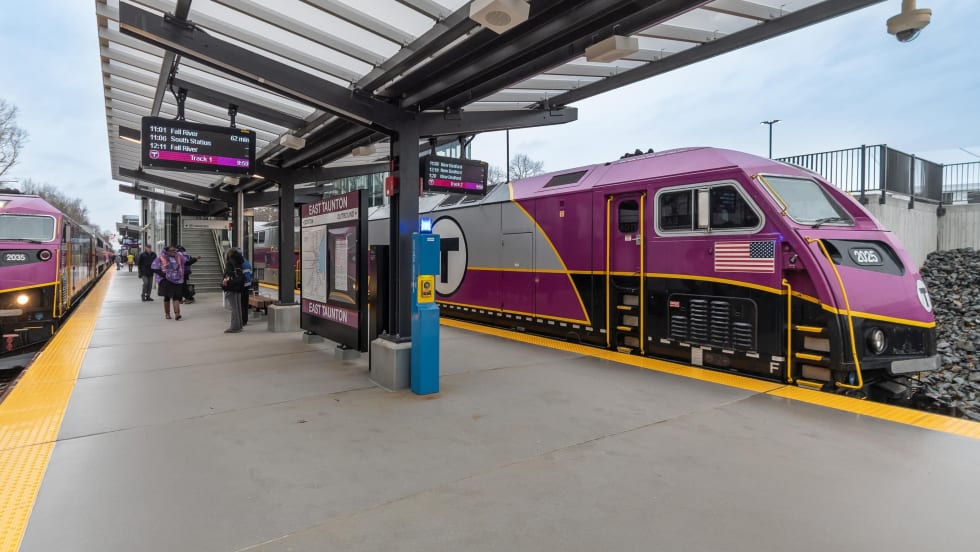
With major events and increased travel expected across the state this summer, the Administration is focused on making sure people have a reliable, affordable alternative to driving so we can reduce congestion, support daily commuters, and keep Massachusetts moving.
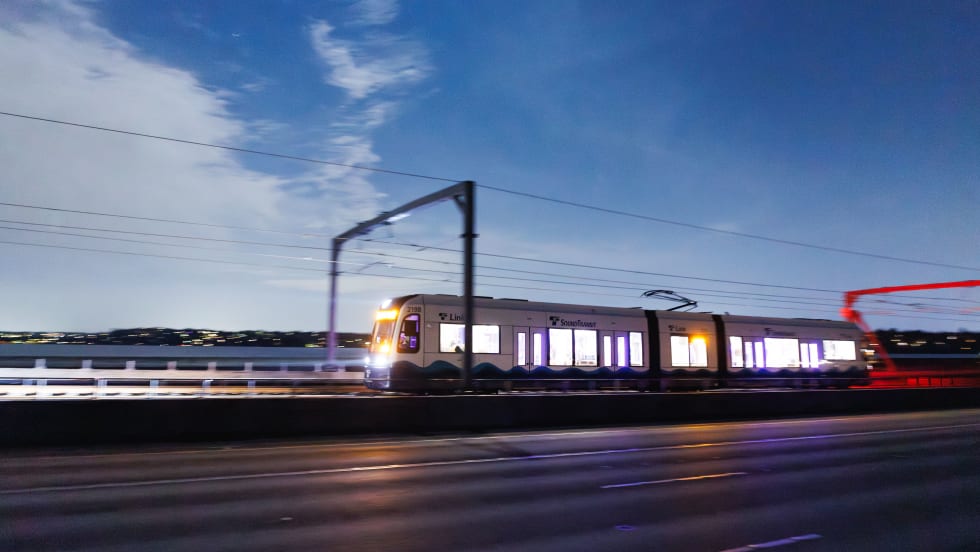
The final seven-mile segment of the 2 Line includes new stations at Mercer Island and Judkins Park and connects to the 1 Line at the International District/Chinatown Station. The Link light rail system now spans 63 miles and includes 50 stations.
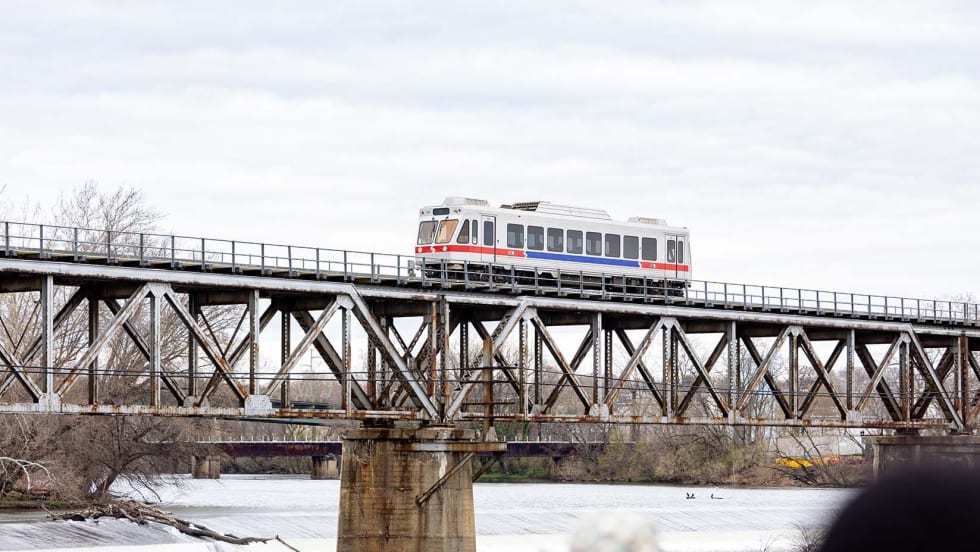
From March 29 through May 9, shuttle buses will replace train service between Bridgeport Station and Norristown Transit Center. Train service will operate as normal between Bridgeport Station and 69th Street Transit Center.
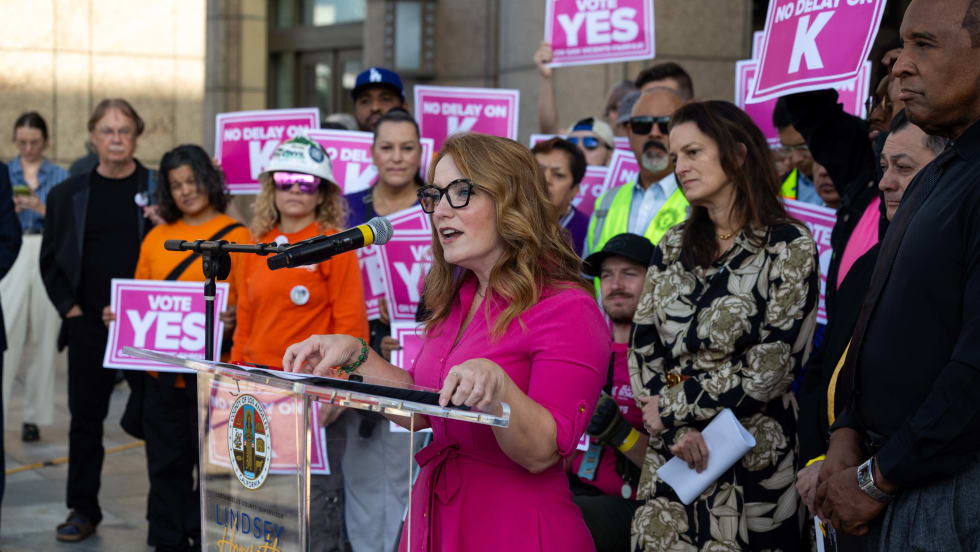
Nadine S. Lee, who has served as president/CEO since July 2021, said the decision comes after careful reflection on the agency’s progress and its path forward.
In this edition of Biz Briefs, we highlight the latest developments shaping the future of mobility — from manufacturers and technology providers to transit agencies and motorcoach service operators.
As part of the contract, the AECOM-LiRo NYPennT Joint Venture will work with Amtrak and the selected Master Developer to completely transform Penn Station, improving safety and operational efficiency, making the system more family-friendly, accommodating increased train and passenger capacity, and delivering a world-class experience to its growing passenger base, according to Amtrak officials.