




RELATED: Takeaways from Denver's driverless shuttle deployment
Denver's Uber Transit app showing strong initial performance, growth
Riders are using the Uber app to plan and book their transportation from home, to work, to appointments, and to the airport.
July 10, 2019
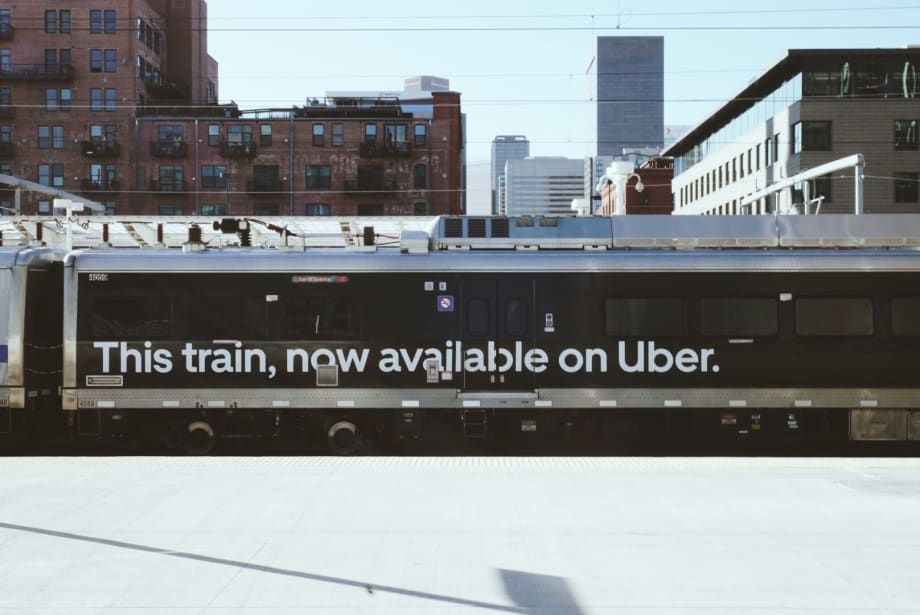
In addition to train cars wrapped with Uber Transit imagery, riders will also see electronic information displays at RTD stations, materials aboard the transit agency’s entire fleet of vehicles, social media, emails, and notifications within the Uber app.
Denver RTD
3 min to read

With Uber Transit ticketing now available to all riders in Denver, Uber is revealing that more than 1,200 Regional Transportation District (RTD) tickets have been sold through its app, with growth averaging 42% each week during the rollout period. Uber Transit ticketing was launched to a small cohort of users in May, and became available to 100% of Uber users in Denver on June 25.
The findings were revealed at an event at Union Station in Denver, with comments provided by RTD CEO/GM Dave Genova, Masabi Chief Product Officer Jonathan Donovan, and Uber Head of Transit David Reich. Uber Transit consists of two key components: journey planning and in-app ticketing.
Riders are using the Uber app to plan and book their transportation from home, to work, to appointments, and to the airport. While nearly two-thirds of tickets sold were for local rides, regional rides — including trips to and from Denver International Airport — were the second-most-popular option for in-app ticket purchases, at 23%.
Since Uber Transit journey planning launched in January, Uber trips in Denver that start or end at a transit station have grown 11.6%. These are commonly called first- and last-mile trips, referring to the portions of a journey that individuals complete on their own, with transit at the core of the trip. Denver riders were the first worldwide to use Uber to plan their transit trips with real-time information and end-to-end directions.
The collaboration involving RTD, Uber and Masabi is the first to offer real-time transit information and ticketing within the Uber app. Following a staggered rollout over several weeks, all Uber riders in the Denver metro region are now able to buy RTD tickets through the Uber app.
Other new data include:
The number of repeat ticket purchases using Uber Transit has increased every week since ticketing launched. As of the week of June 24, approximately 25% of tickets sold were purchased by users who had previously purchased tickets on the app.
Tickets sold on Uber Transit have increased each week, reaching over 200 weekly tickets as of the last week of June.
Masabi also launched mobile ticketing services for RTD in the fall of 2017 with the popular RTD Mobile Tickets app. The Justride SDK (software development kit) allows Uber to integrate mobile ticketing into their applications, giving users the ability to request fare types, make payments, and receive visual and barcode tickets through a secure ticket wallet.
Now that availability has reached 100% of Denver, Uber and RTD are ramping up marketing efforts throughout the region to increase awareness of Uber Transit. In addition to train cars wrapped with Uber Transit imagery, riders will also see electronic information displays at RTD stations, materials aboard the transit agency’s entire fleet of vehicles, social media, emails, and notifications within the Uber app.
More Technology
Biz Briefs: Masabi Partners with LANTA and More
In this edition, we spotlight the latest developments shaping the future of mobility.
Read More →
Joshua Schank on Transportation Innovation, Risk, and the Future of Mobility
In this edition of METROspectives, Joshua Schank discusses lessons from launching LA Metro’s Office of Extraordinary Innovation, the challenges of advancing new mobility technologies, and much more.
Read More →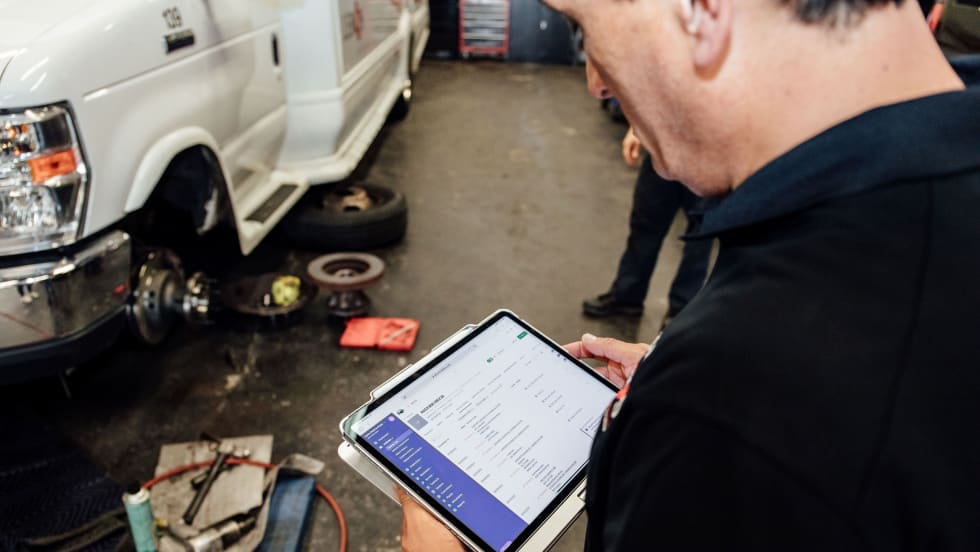
Reinventing Fleet Maintenance with Real-time Visibility and AI
Transit leaders need to know what needs fixing, where to look, who is responsible, when work is completed, and what it costs without having to chase information across disconnected systems.
Read More →
Alstom Acquires Delaware Site to Support Amtrak NextGen Acela Fleet
The company is investing more than $55 million to acquire and improve the property and will employ approximately 100 people at this site once it is operational.
Read More →
ABA's Ferguson Testifies in Support of BUS Act, National Standards for Bus Operators
The BUSES Act would create a nationwide framework preventing state and local governments from enforcing bus idling restrictions of less than 15 minutes, a threshold consistent with existing Environmental Protection Agency guidance.
Read More →
When Routine Fails: How Public Transit Must Adapt for the World Cup
The 2026 FIFA World Cup will test transit agencies’ ability to manage unpredictable travel patterns, making real-time data and operational flexibility critical to moving millions of visitors efficiently.
Read More →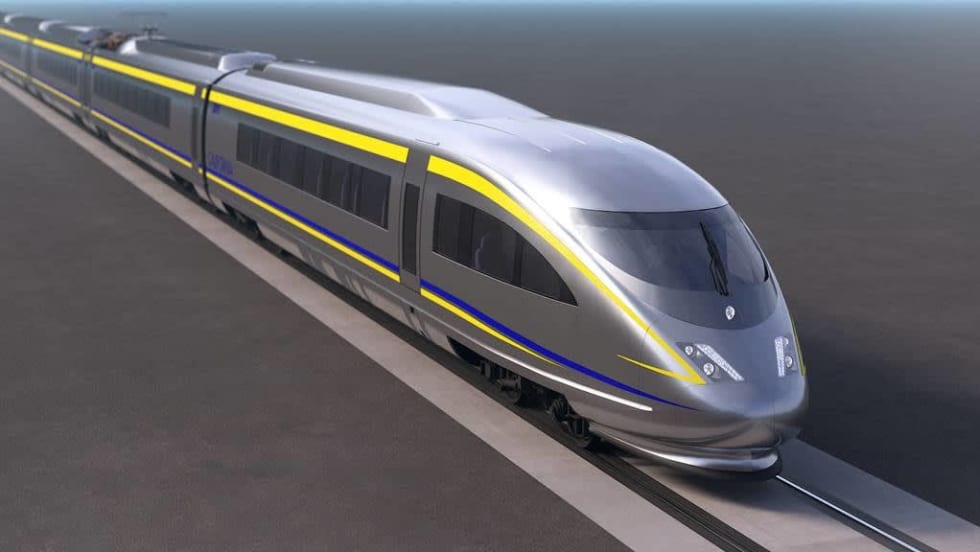
California Selects Team for Nation’s First True High-Speed Rail Track and Systems Contract
The board action follows completion of track installation at the 150-acre southern railhead in Kern County, which will serve as the staging and distribution hub for high-speed track and systems installation.
Read More →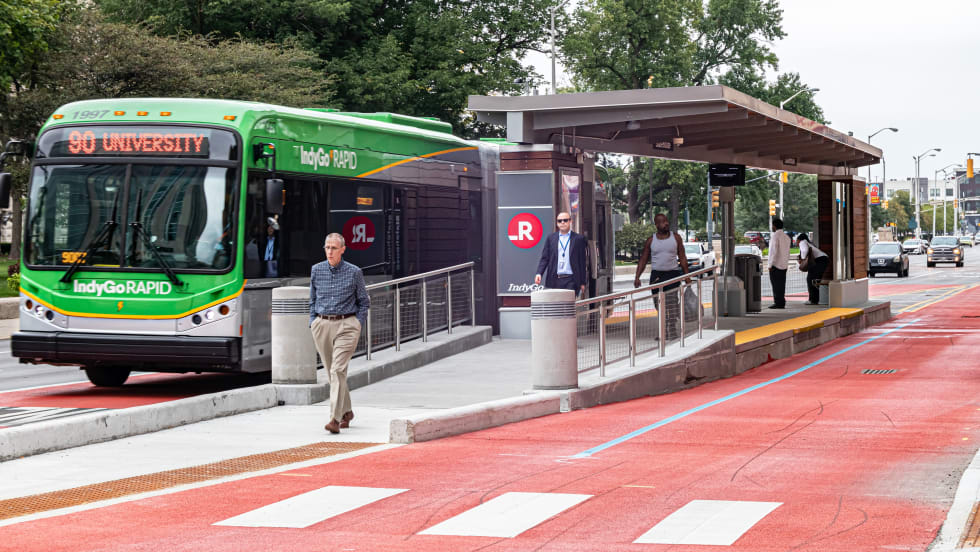
IndyGo, Cleveland RTA Expand Digital Fare Payment Options with Masabi
The new systems combine mobile apps, smart cards, and automatic fare capping to simplify payments, expand flexibility, and help riders access the lowest available fares.
Read More →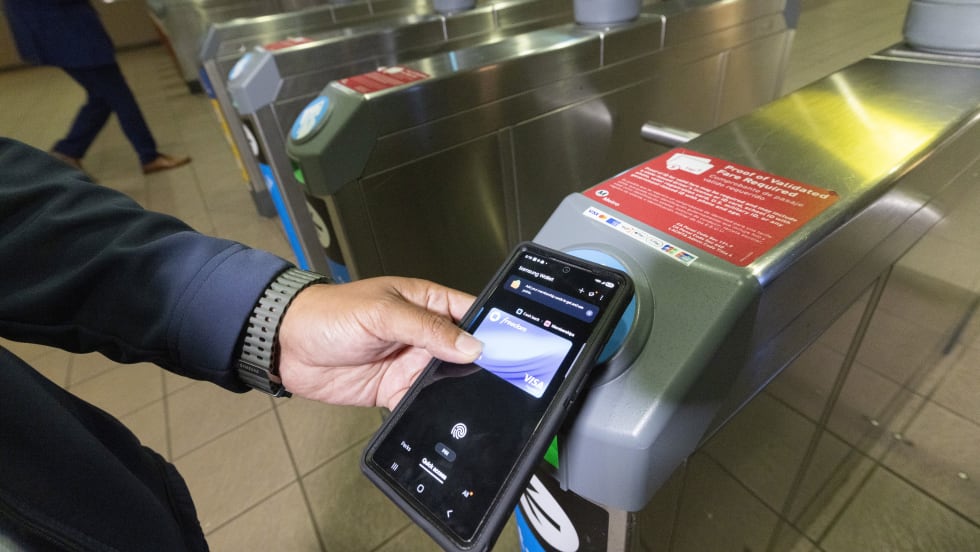
LA Metro Launches New Mobile App, Contactless Payment Options
Available on Metro and at 26 TAP-participating transit agencies, the system reduces waiting times, speeds boarding, and improves convenience systemwide, said the agency.
Read More →
Joshua Schank on Transportation Innovation, Risk, and the Future of Mobility
In this edition of METROspectives, the co-author of New Tricks for Old Bureaucracies, discusses lessons from launching LA Metro’s Office of Extraordinary Innovation, the challenges of advancing new mobility technologies, and much more.
Read More →