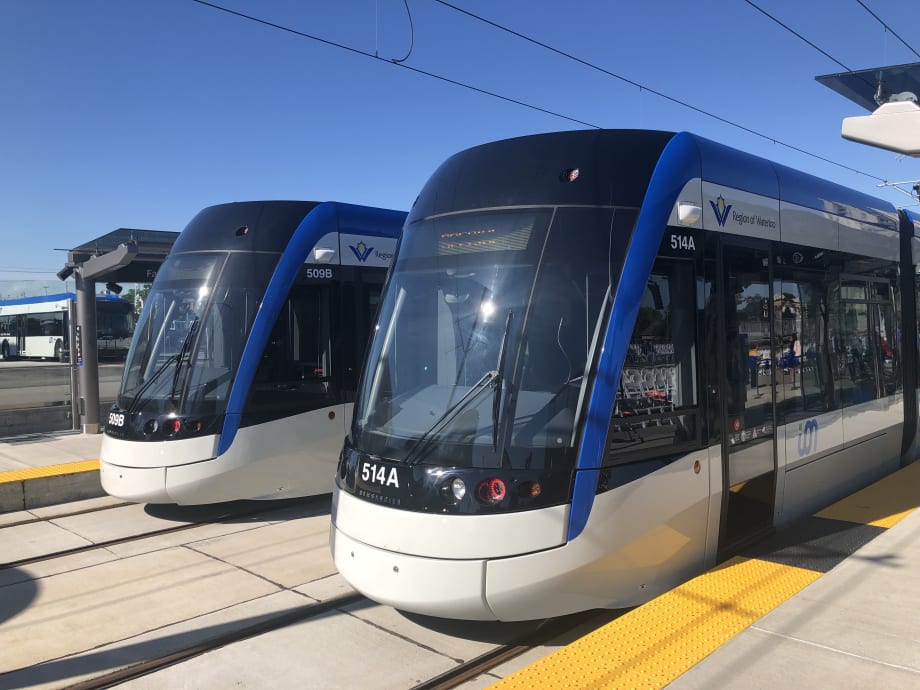
The ION LRT is transformative for the Region of Waterloo, which is the fourth largest community in Ontario with an existing population of over half a million.
Keolis
2 min to read
The ION LRT is transformative for the Region of Waterloo, which is the fourth largest community in Ontario with an existing population of over half a million.
Keolis
Keolis launched the Waterloo Region’s new ION Light Rail Transit (LRT) system in Ontario, Canada. The system will serve the residents and visitors of Kitchener, Waterloo, and Cambridge, as well as surrounding rural municipalities.
As part of the GrandLinq Consortium, Keolis Grand River — Keolis’ local subsidiary — is responsible for approximately 10 miles of light rail line operations for the next 10 years, and maintenance for the next 30 years. The contract, which was awarded in May 2014, is under a Public-Private Partnership (PPP) and is Keolis’ first light rail operation in North America.
Ad Loading...
The ION LRT is transformative for the Region of Waterloo, which is the fourth largest community in Ontario with an existing population of over half a million. The network is funded by all three levels of government and fully integrated within the Region of Waterloo’s existing public transport service, Grand River Transit (GRT). The transport options, for which just one fare applies, will be flexible and inclusive as the population grows.
The light rail is core to the Region's ambitious master plan for sustainable mobility to create a one urban area, from the three cities, and to increase the attractiveness of the Technological Triangle of Canada.
The trams will run on a dedicated rapid route along tracks isolated from regular traffic, except at intersections and road crossings. The project is divided into two phases. Phase 2 studies are underway.
The 3.92-mile addition will soon take riders west beyond its current Wilshire and Western station in Koreatown, continuing under Wilshire Boulevard through neighborhoods and communities including Hancock Park, Windsor Square, the Fairfax District, and Carthay Circle into Beverly Hills.
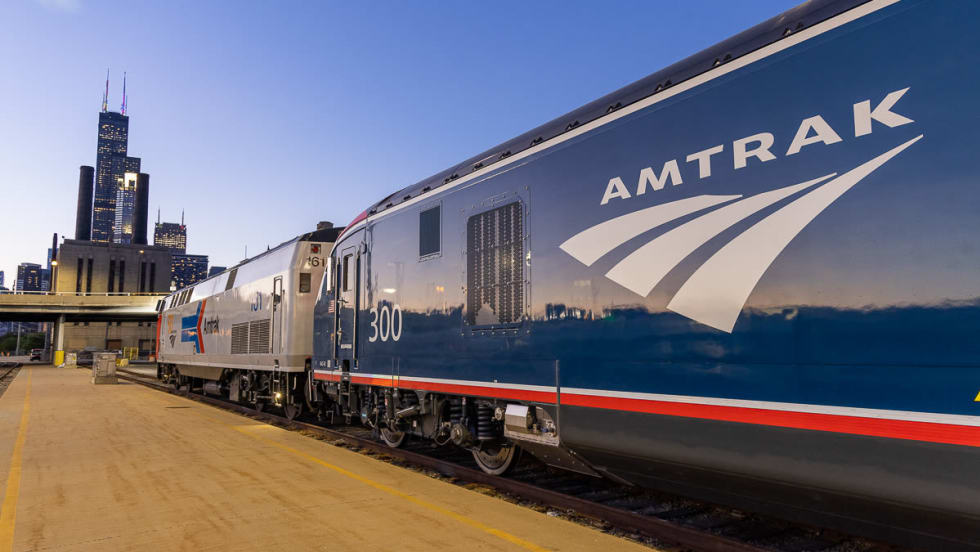
Under the plan, all long-distance routes will transition to a universal single-level fleet, replacing today’s mix of bi-level and single-level equipment.
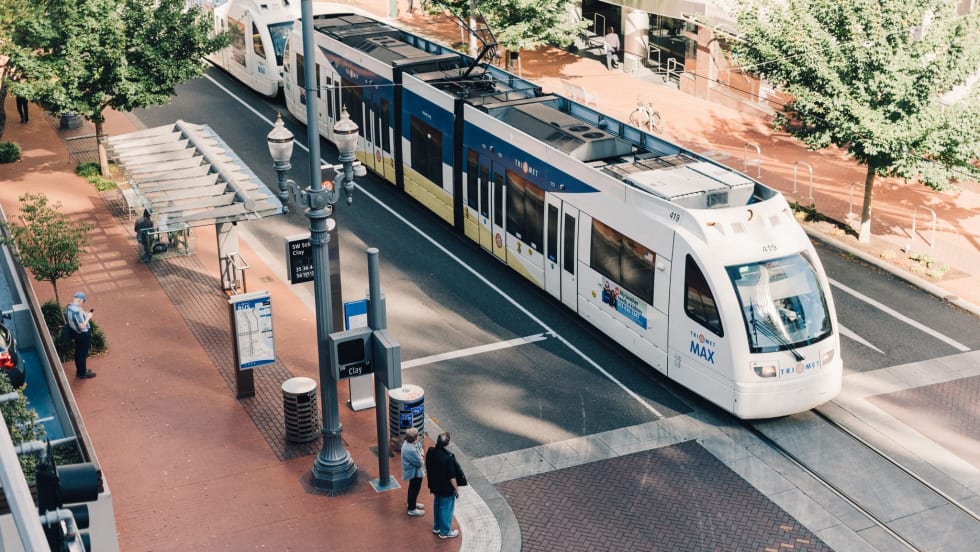
The milestone is a significant step toward modernizing the MAX Blue Line’s power infrastructure, one of the oldest components of the region’s light rail system.
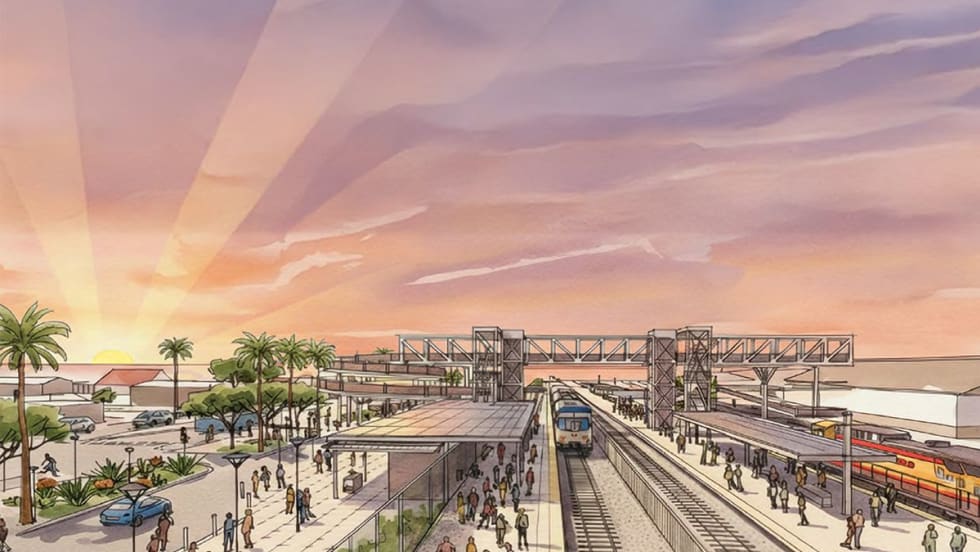
The firm will lead the Tier 2 environmental review program for the Coachella Valley Rail Corridor, including the conceptual and preliminary engineering needed to develop project-level environmental clearance.
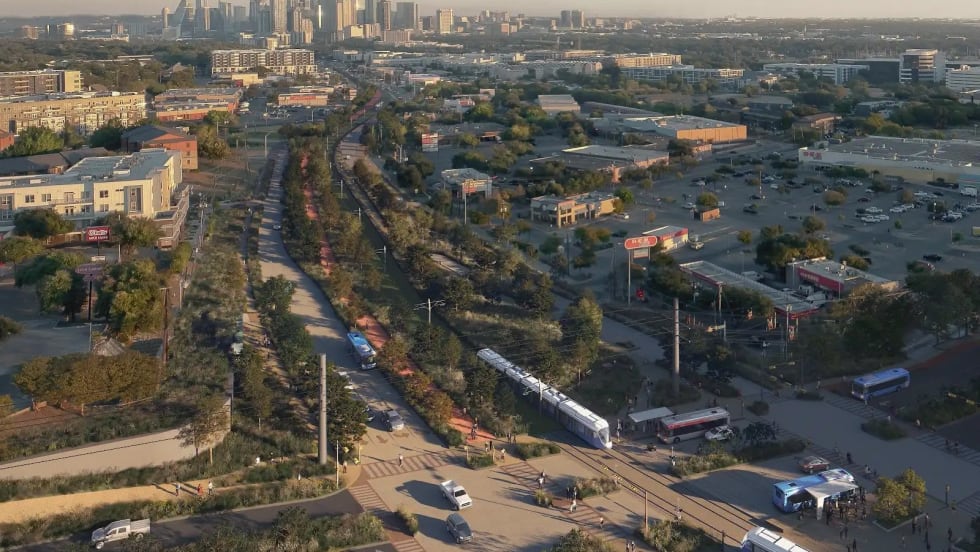
The ATP board’s approval of ARC enables ATP to begin pre-construction activities and advance final design for Austin Light Rail under the first phase of what will be a multibillion-dollar contract.
Additionally, construction activity is estimated to generate more than $154 million in tax revenue, including more than $20 million for Los Angeles County.
The project represents a significant milestone in the agency’s ongoing efforts to enhance connectivity, activate publicly owned land, and create walkable communities centered around transit.
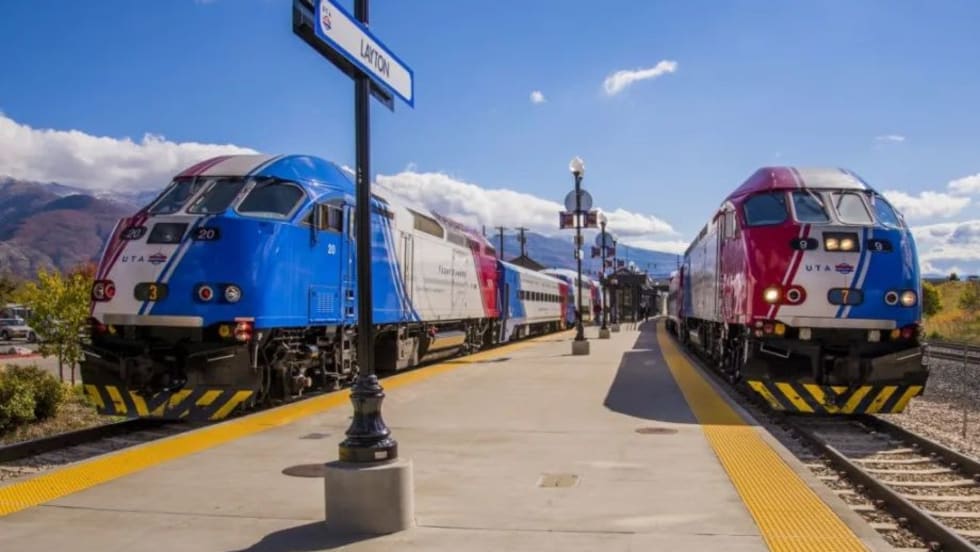
The nearly $1 billion FrontRunner 2X project is a transformative investment to modernize and expand the 89-mile commuter rail corridor between Ogden and Provo.