



HDR Selected to Advance LA–Coachella Valley Rail Corridor Project
The firm will lead the Tier 2 environmental review program for the Coachella Valley Rail Corridor, including the conceptual and preliminary engineering needed to develop project-level environmental clearance.

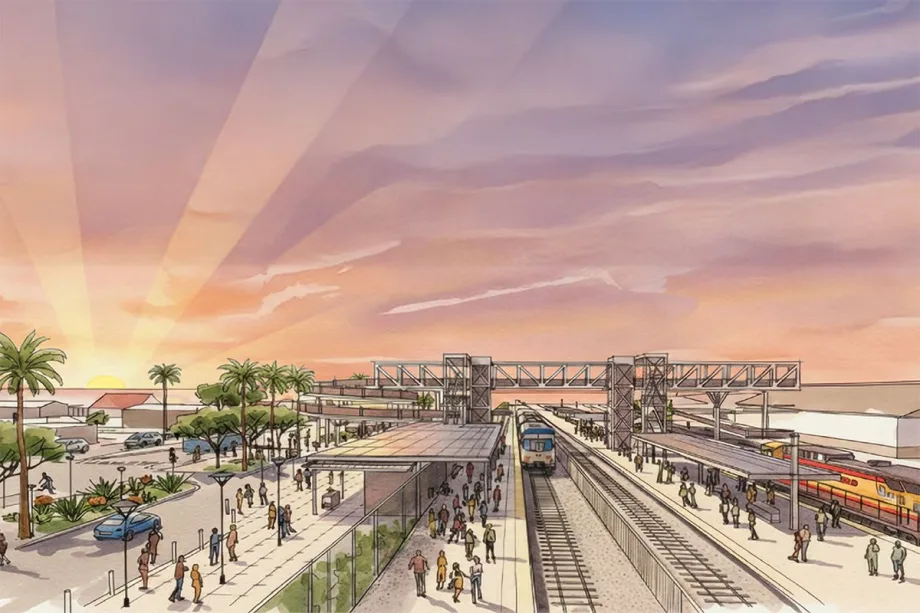
HDR’s interdisciplinary team brings decades of experience along this corridor, including leadership on the Service Development Plan and Tier 1 Environmental Impact Statement.
HDR
- HDR has been selected to lead the Tier 2 environmental review for the Coachella Valley Rail Corridor project.
- The project involves conceptual and preliminary engineering work essential for environmental clearance at the project level.
- The initiative aims to advance the development of the rail corridor connecting Los Angeles and Coachella Valley.
*Summarized by AI
HDR was selected by the Riverside County Transportation Commission (RCTC) to lead the next major step in bringing daily intercity passenger rail service between Los Angeles and the Coachella Valley.
The firm will lead the Tier 2 environmental review program for the Coachella Valley Rail Corridor, including the conceptual and preliminary engineering needed to develop project-level environmental clearance.
The milestone moves the region closer to a transformative vision that connects communities, expands mobility options, and strengthens economic opportunity with safe, sustainable, and reliable rail service, said HDR officials.
The service would introduce multiple daily round-trip buses between Los Angeles Union Station and Coachella, supported by nine stations, a layover facility, and infrastructure improvements along a 144-mile corridor.
“This project has a great deal of technical complexity, but it’s really about creating lasting value for the communities we serve,” said HDR Project Manager Rob Klovsky. “Our team is committed to delivering a thoughtful, collaborative process that reflects local priorities while meeting high standards for environmental stewardship and engineering excellence.”
HDR’s Scope
HDR’s interdisciplinary team brings decades of experience along this corridor, including leadership on the Service Development Plan and Tier 1 Environmental Impact Statement. That continuity positions the firm to navigate the complexities of this next phase efficiently and effectively, said HDR.
Work on this phase of the project begins in early 2026 with a station location study and conceptual engineering to further define the project footprint and support an update to the Service Development Plan. HDR will lead technical analyses and community engagement to shape the project, working closely with RCTC, Class I railroads, tribal governments, and local communities.
After the Service Development Plan update receives federal approval, the project team will complete the detailed environmental technical studies and prepare and circulate the required documents under the National Environmental Policy Act and the California Environmental Quality Act.
“HDR’s holistic and proactive approach anticipates scope, cost, and schedule challenges that can impact transformative projects like this one,” said HDR Global Transit Director Matt Tucker. “We’re excited to partner with RCTC to advance their vision for better mobility and economic opportunities along the Coachella Valley Rail Corridor.”
Quick Answers
HDR will lead the Tier 2 environmental review program and handle conceptual and preliminary engineering for the project.
*Summarized by AI
More Rail

New York MTA Advances Final Contract for Second Avenue Subway Expansion
Contract Four is the largest in the Second Avenue Subway Phase 2 project and includes construction of station infrastructure, tracks, and signals for the subway expansion, MTA officials said. Work on Contract Four will begin in 2027.
Read More →
San Diego MTS Breaks Monthly Trolley Ridership Record
Agency officials said July’s ridership indicates MTS’s continued recovery from the pandemic.
Read More →
Report Examines NJ TRANSIT Reliability, Funding Challenges
The Garden State Initiative analysis examines the roles of Amtrak infrastructure, fleet management, and agency operations while recommending a more performance-based approach to improving reliability.
Read More →
Stadler, CapMetro Sign Long-Term Rail Fleet Support Agreement
Beginning in 2027, Stadler will provide on-site technical expertise, spare parts support, training, and obsolescence management to help extend the reliability and longevity of CapMetro’s GTW fleet.
Read More →
Biz Briefs: Alstom Lands Canadian Contract, LYT to Supply California TSP, and More
In METRO's latest installment, we take a look at recent news from Complete Coach Works, Beep, FlixBus, and more partnerships making headlines across the transportation sector.
Read More →
CATS Gold Line Marks 5 Years of Service, 2.8M Passenger Trips
With a six-mile expansion planned, the Charlotte streetcar is positioned to connect more neighborhoods and major transit hubs across the region.
Read More →
Why Simulating Pedestrian Movement Has Become Essential for Modern Rail Stations
Pedestrian microsimulation is helping rail planners identify bottlenecks, test station designs, and prepare complex transit hubs for growing passenger volumes.
Read More →
Amtrak Begins Major Construction at New York’s Sunnyside Yard
The new maintenance facility will support Amtrak’s Airo trainsets while improving maintenance efficiency and turnaround times in New York.
Read More →
Chicago Leaders Unveil Plans for O’Hare Airport Express Train
The privately developed project would offer a 15-minute trip between downtown and O’Hare’s Terminal 2, with trains operating every 15 minutes on a dedicated track. The service would use battery-electric trains and three existing freight rail rights-of-way.
Read More →
OCTA Maps Out 30-Year Strategy to Protect Coastal Rail Corridor
The draft feasibility report identifies strategies to protect the coastal rail line for decades as the agency continues near-term stabilization and sand placement efforts.
Read More →