




RELATED: Alstom revamps LRVs to meet evolving mobility needs
Alstom unveils design for Montreal’s REM train
The external livery, chosen by the public, was inspired by the new Samuel De Champlain Bridge.
April 1, 2019
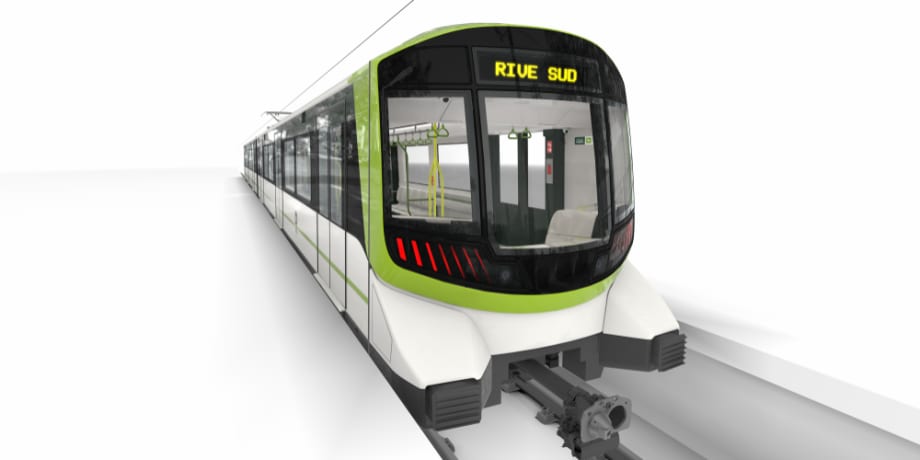
Alstom will supply 212 Metropolis cars, or 106 trainsets, for the completely automatic light-metro system.
Photos via Alstom Design & Styling
2 min to read

Alstom will supply 212 Metropolis cars, or 106 trainsets, for the completely automatic light-metro system.
Photos via Alstom Design & Styling
The Alstom-led consortium, Groupe des partenaires pour la mobilité des Montréalais (Groupe PMM), has revealed the design of the Réseau express métropolitain (REM) train.
The external livery, chosen by the public, was inspired by the new Samuel De Champlain Bridge, with the vehicle’s headlights directly recalling the shrouds of the new bridge.
Designed to perfectly fuse with the green spaces of the city, the green-and-white vehicles offer passengers breathtaking views via panoramic windows and large bay windows at either end.
Alstom will supply 212 Metropolis cars, or 106 trainsets, for the completely automatic light-metro system. Recognized as the supplier of choice for reliable and efficient metros, Alstom has more than 65 years of experience and has sold more than 850 driverless metros worldwide. Over 17,000 Alstom metro cars in 55 cities worldwide, carry 30 million passengers every day.

Over 17,000 Alstom metro cars in 55 cities worldwide, carry 30 million passengers every day.
Alstom puts the passenger at the heart of its design process. The Metropolis is, therefore, built with the comfort of passengers in mind, offering wide doors and spaces to facilitate passenger flow, acoustic comfort, vibration mitigation, and passenger information in real time.
Awarded to the Groupe PMM consortium in early 2018, the project will be the largest transit project in Quebec’s history since the Montreal metro was built over 50 years ago. Upon completion, REM will be one of the world's largest automated transport networks — approximately 42 miles long with 26 stations — connecting downtown Montreal to the South Shore, the North Shore, the West Island, and Pierre Elliott Trudeau International Airport.
More Rail

Scenes from APTA TRANSform & EXPO 2026
Transit leaders, manufacturers, and industry professionals gathered in Chicago to explore new technologies, share ideas, and discuss the future of public transportation.
Read More →
USDOT Awards $416 Million for Florida Rail Crossing Safety Upgrades, New Brightline Station
The projects aim to reduce risks for motorists and pedestrians at rail crossings while expanding passenger rail access along Florida’s Space Coast.
Read More →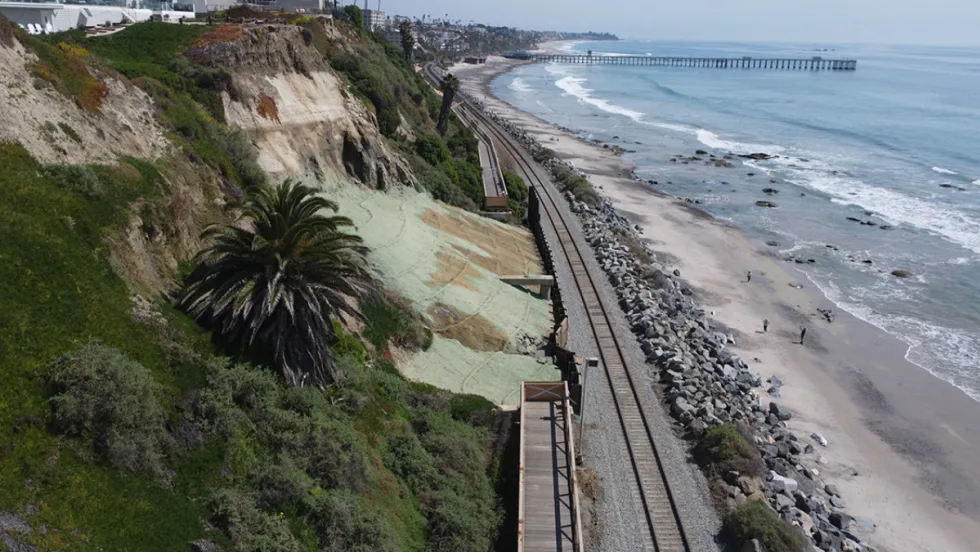
OCTA Declares Emergency to Protect Rail Corridor From Coastal Erosion
The California agency is accelerating shoreline protection and plans to place approximately 690,000 cubic yards of sand along the San Clemente coast to protect a key passenger and freight rail link.
Read More →
More Than a Summer Job: Building the Next Generation of Transit Talent
The Delaware River Port Authority and PATCO have transformed their internship program into a hands-on professional development experience that introduces students to the breadth of transportation careers — and creates a pipeline for future employees.
Read More →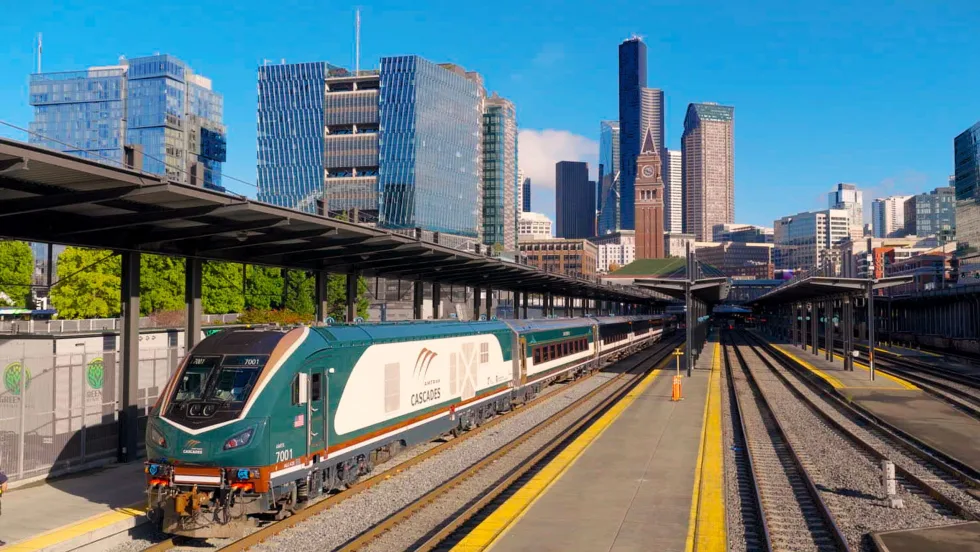
Airo Trains Make Their Amtrak Cascades Debut in the Pacific Northwest
Effective immediately, two cutting-edge Airo trainsets will join the Amtrak Cascades route, operating four daily trips between Vancouver, B.C., Seattle, Portland, and Eugene, Oregon, marking the first introduction of Airo trains into passenger service anywhere in the country.
Read More →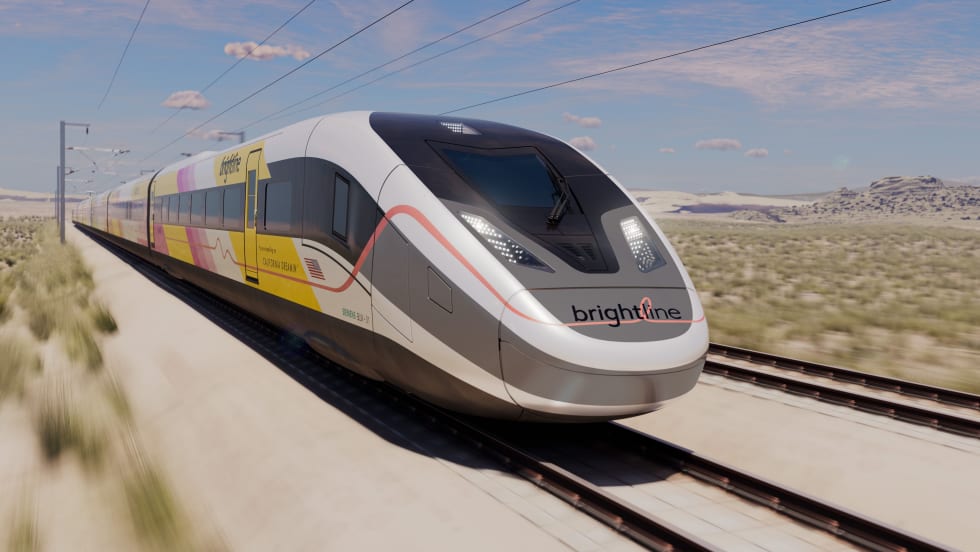
Florida's Brightline Announces Financial Restructuring
Brightline Florida says train operations will continue as normal as certain parent entities enter Chapter 11 and financial stakeholders provide $490 million in new long-term capital.
Read More →
ENC Lands MATA Contract and More in Biz Briefs
In this edition of Biz Briefs, we spotlight the latest developments shaping the future of mobility.
Read More →
Strada360’s Steve Lassey on Turning Transit Data Into Better Decisions
From breaking down data silos to preparing for AI, Strada360 CEO Steve Lassey discusses how transit agencies can use technology to improve operations, customer information, and long-term decision-making.
Read More →
SEPTA Details Accelerate Vision for Transit System
The plan outlines investments in trolley modernization, new Metro and Regional Rail vehicles, accessible stations, and more frequent bus and rail service.
Read More →
FTA Ends Direct Oversight of MBTA Safety Actions
The federal agency closed its remaining special directive to the Massachusetts Department of Public Utilities following a safety review that began in 2022.
Read More →