



DART's renewable natural gas contract could generate $11M
The five-year agreement begins January 1 and has one two-year option.

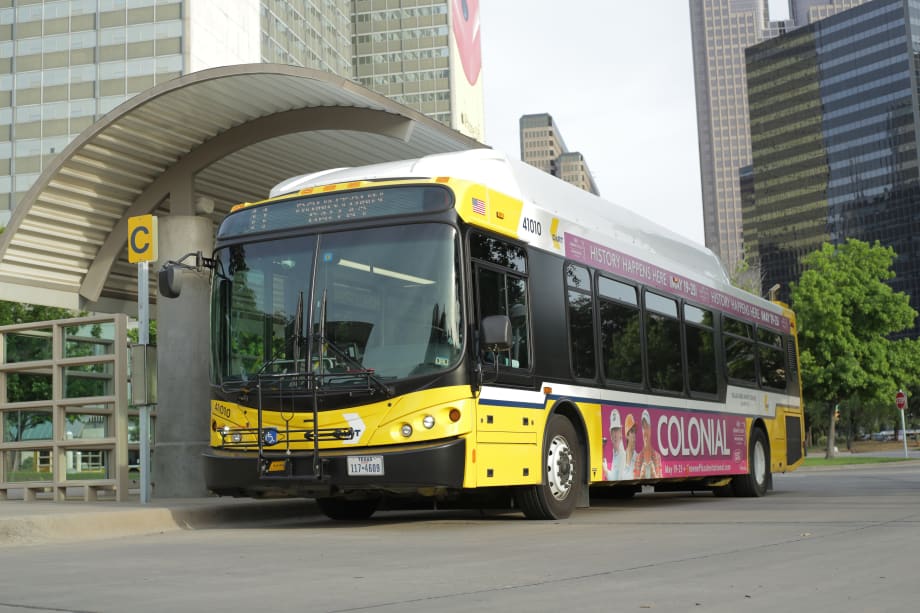
DART is adding 41 new CNG-fueled buses in 2019 to expand bus service and improve schedules and frequency.
DART
DART is adding 41 new CNG-fueled buses in 2019 to expand bus service and improve schedules and frequency.
DART
Dallas Area Rapid Transit (DART) signed a new agreement with Element Markets Renewable Energy to provide renewable natural gas (RNG) for DART’s fleet of 650 CNG powered buses.
The five-year agreement begins January 1 and has one two-year option. It monetizes Renewable Identification Number credits that have the potential to generate up to $11,000,000 in revenue for DART over the life of the contract.
“RNG is another way we’re powering transit with clean fuels,” DART President/Executive Director Gary Thomas said. “We are also excited about the financial benefits of converting to clean fuels. This additional revenue will be put to good use as we move North Texas forward.”
RNG, or biomethane, can be derived from a variety of sustainable and renewable sources, including decomposing organic waste in landfills, municipal wastewater treatment plants, and livestock facilities. It is then blended with natural gas through the existing pipeline system. DART currently uses over 1.2 Million British Thermal Units of natural gas annually. DART is adding 41 new CNG-fueled buses in 2019 to expand bus service and improve schedules and frequency.
More Technology
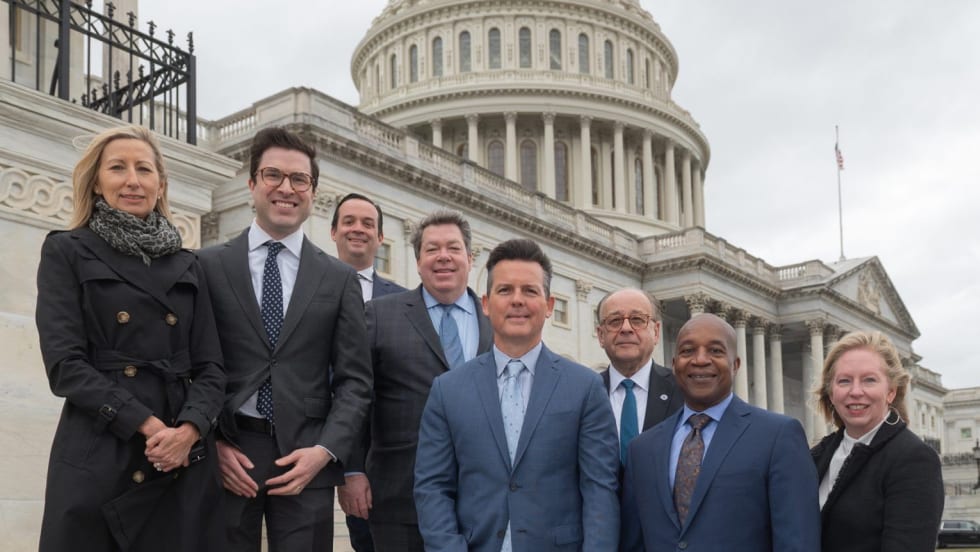
The Business Voice Behind Public Transportation
As chair of APTA’s Business Members Board of Governors, Ray Melleady explains how more than 850 business members are partnering with transit agencies to advance funding, innovation, and industry-wide collaboration.
Read More →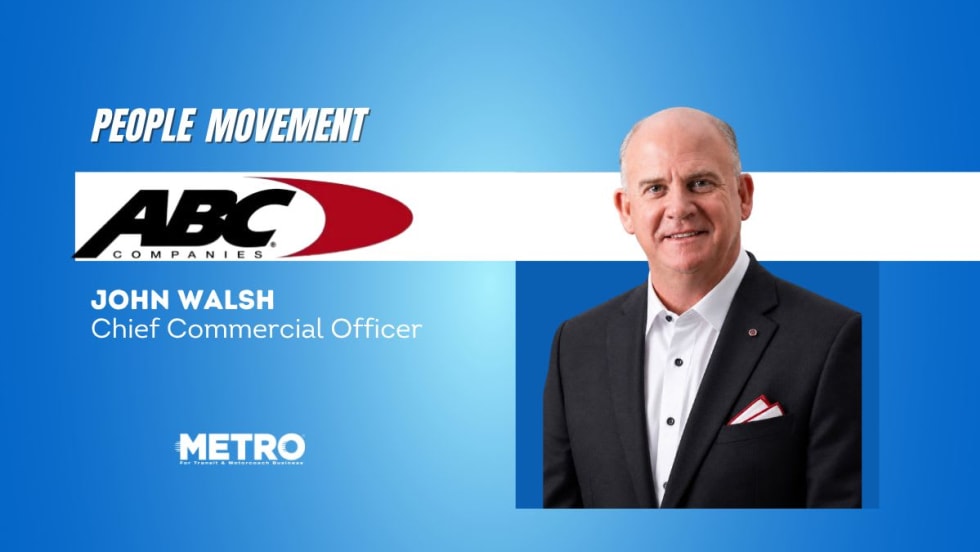
People Movement: ABC Names John Walsh as Chief Commercial Officer
In this edition, METRO also covers recent appointments and announcements at the DART, STV, and more, showcasing the individuals helping to shape the future of transportation.
Read More →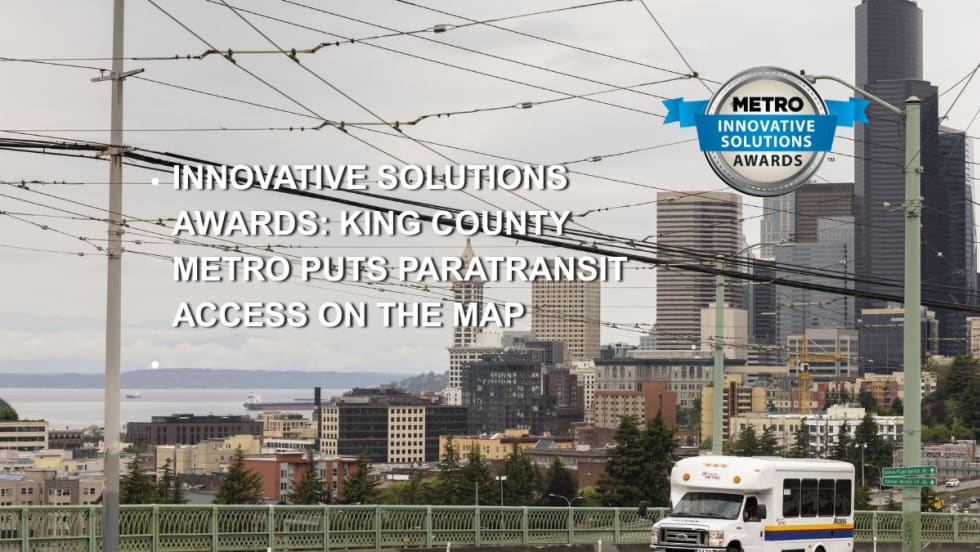
King County Metro Makes ADA Paratransit Easier to Navigate
METRO's Innovative Solutions Award winner replaces complex service-area descriptions with an accessible, interactive map that puts paratransit information directly in customers’ hands.
Read More →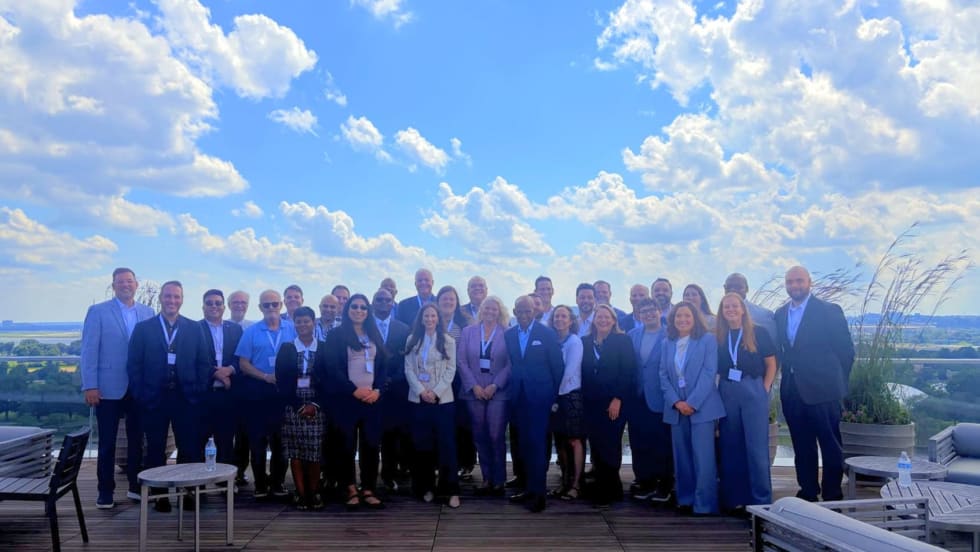
TransDASH Summit Focuses on Measuring What Matters in Transit
Transit agencies unveil a national performance platform designed to benchmark customer experience, safety, community value, and other outcomes.
Read More →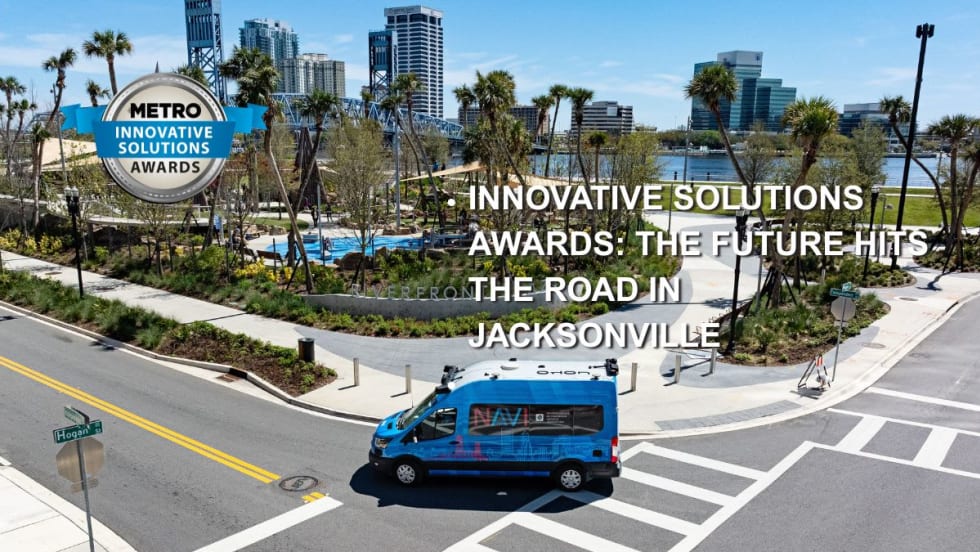
Jacksonville’s NAVI Project Charts a New Course for Autonomous Public Transportation
Through its NAVI program, JTA is showing how autonomous vehicles, intelligent infrastructure, and coordinated operations can work together to deliver everyday public transportation.
Read More →
Biz Briefs: Luminator Marks Milestone and More
From manufacturers and suppliers to transit agencies and motorcoach operators, these updates offer a snapshot of the projects, partnerships and business moves driving the industry forward.
Read More →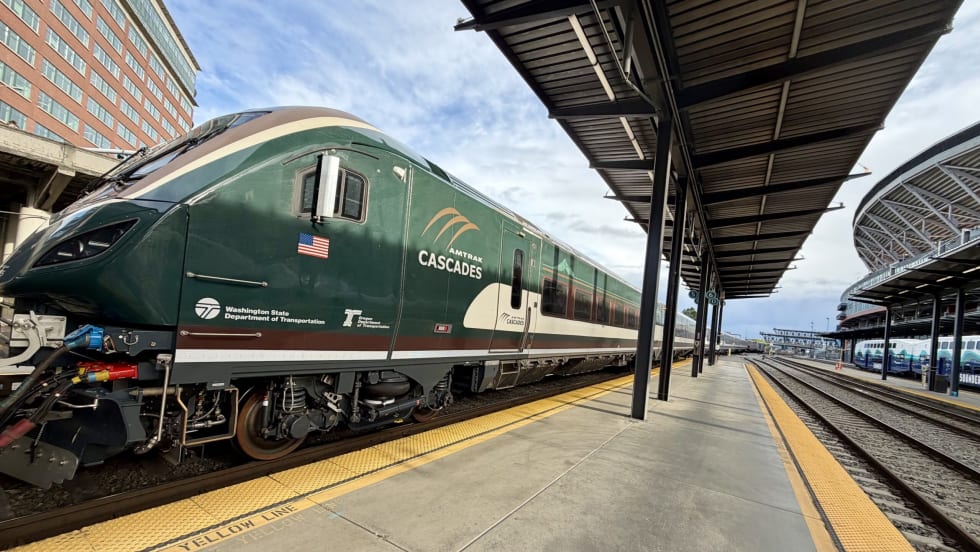
FRA Announces $5.3B in Rail Investments, Including $2B for Amtrak
Funding will support grade-crossing improvements, infrastructure upgrades, and new Amtrak equipment in 23 states.
Read More →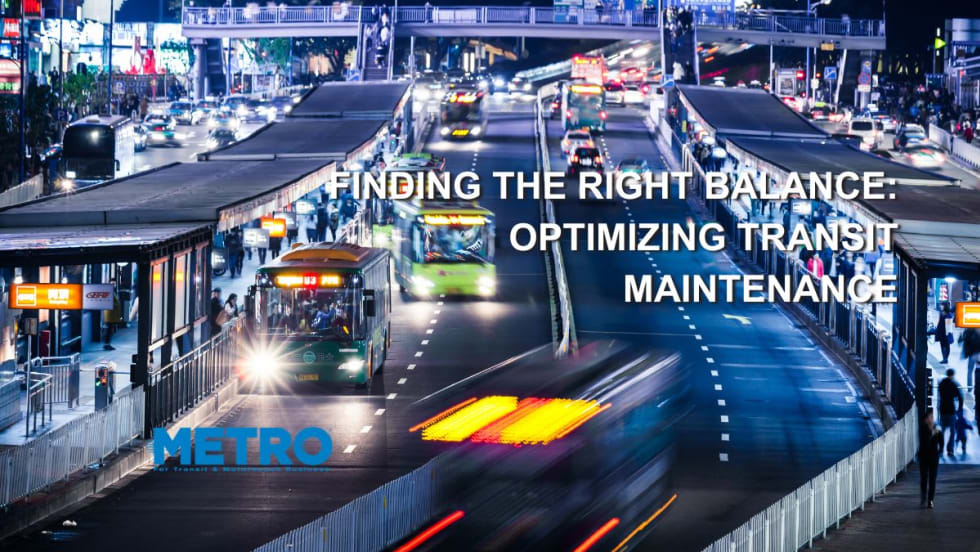
Finding the ‘Happy Medium’: Optimizing Maintenance Without Sacrificing Reliability
The key to maintenance optimization isn’t doing less work—it’s doing the right work at the right time on the right assets.
Read More →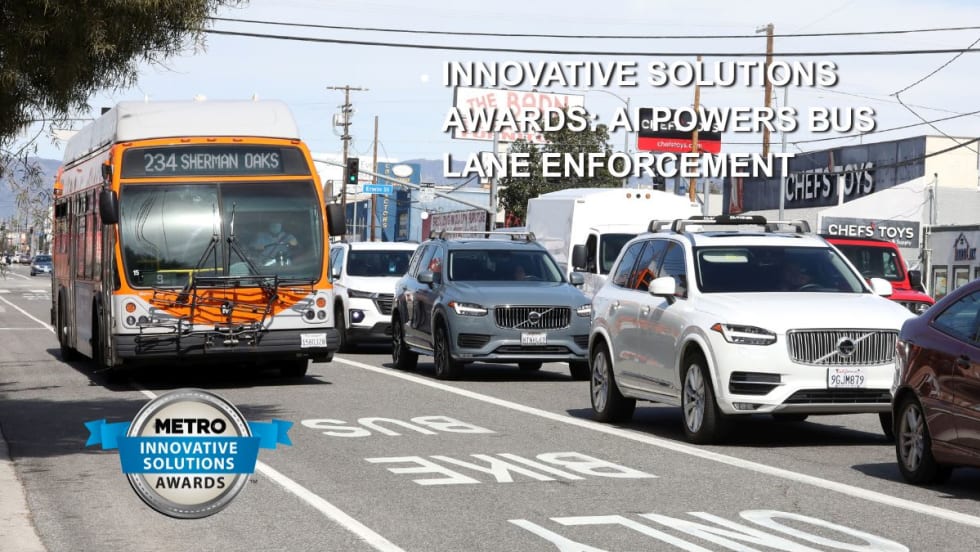
LA Metro, City of West Hollywood, and Partners Advance Smarter Bus Lane Enforcement
The award-winning partnership combines AI-powered detection with human oversight to improve bus reliability, accessibility, and enforcement efficiency.
Read More →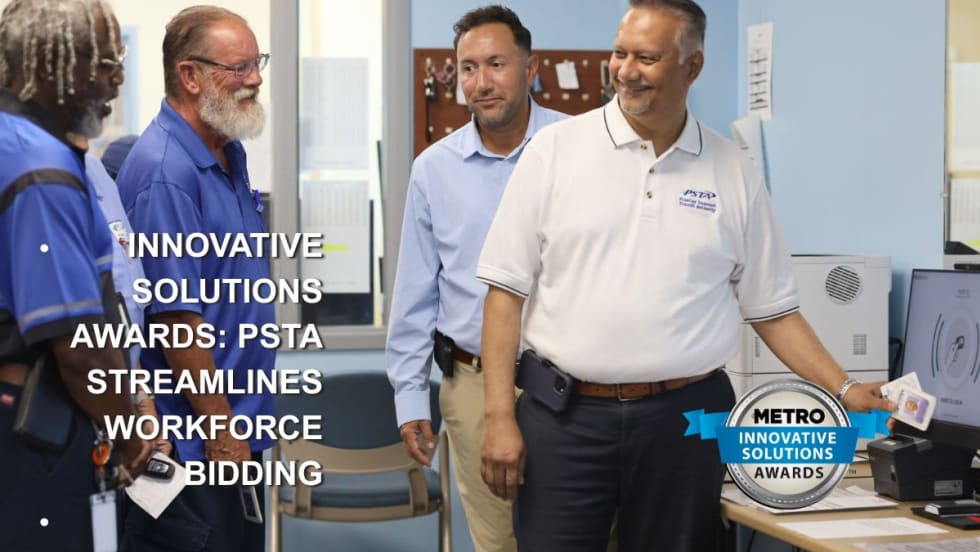
PSTA Modernizes Workforce Management with Digital Bidding System
The award-winning Workforce Transit Modernization project replaced paper bidding with a transparent digital platform, cutting administrative effort while improving access for operators.
Read More →