




Is the first major step in a broader office consolidation strategy that will save the transit authority $130 million over the next 20 years.
D.C. Metro unveils location for new headquarters
First major step in a broader office consolidation strategy that will save the transit authority $130 million over the next 20 years.
October 31, 2018
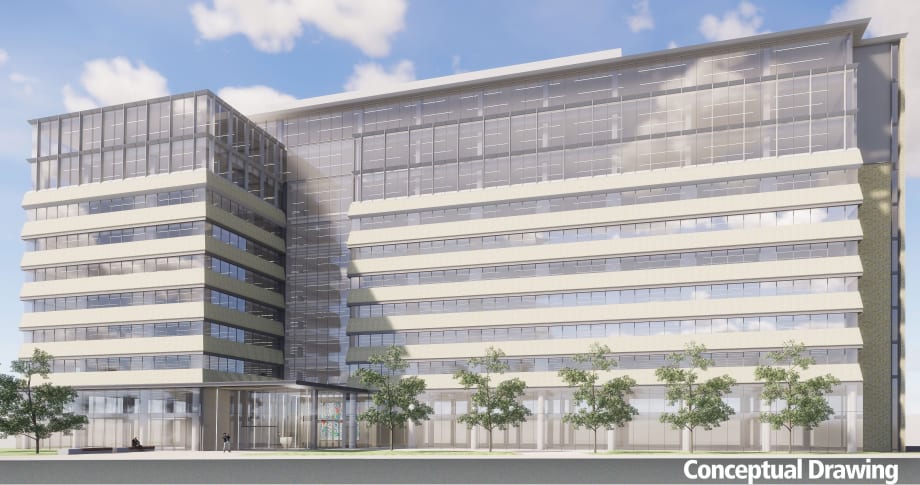
The new Metro HQ site will be stripped to its structural concrete and completely renovated to modern workplace standards. Rendering: Metro
3 min to read

The new Metro HQ site will be stripped to its structural concrete and completely renovated to modern workplace standards. Rendering: Metro
Washington, D.C.'s Metro has selected L'Enfant Plaza as the home for its new, centrally located headquarters building, the authority announced.
This week, Metro will begin a process to seeking final approval to purchase 300 7th Street SW - an existing, vacant office structure - as the replacement for its current HQ, the outmoded Jackson Graham Building in Northwest.
Formerly known as the Reporter's Building, the new Metro HQ site will be stripped to its structural concrete and completely renovated to modern workplace standards, including new commercial amenities on the ground floor to activate the streetscape and benefit the surrounding community. In addition, Metro plans to "re-skin" the building to improve its exterior appearance and may add three floors, creating space that could be leased to generate additional revenue.
The selection of Metro's new DC headquarters is the first major step in a broader office consolidation strategy that will save the transit authority $130 million over the next 20 years. As part of that process, Metro is downsizing from 10 current office buildings throughout the region to seven. Selection of the DC building is the first major step in the process, because the size and location of that building informs other selection decisions in Maryland and Virginia, where several viable sites are being evaluated. The office consolidation effort was approved by the WMATA Board in June.
Metro's current DC headquarters, a hulking brutalist structure known as the Jackson Graham Building or JGB, was constructed in 1974 and does not meet current accessibility requirements or modern fire/life-safety standards (e.g. there are no fire sprinklers), despite being the daytime home for more than 1,300 employees and contractors. Most building systems within JGB are at the end of their useful life — some dating to the original construction of the building — with some at risk of imminent failure.
Metro has long since determined that moving from JGB to other sites would be significantly less expensive — and less disruptive — than attempting to renovate the existing building. In addition, Metro stands to generate tens of millions of dollars by redeveloping the property under a long-term ground lease, given its prime location on a 43,000-square-foot parcel in DC's thriving Gallery Place neighborhood, directly across from the Capital One Arena and the National Building Museum. Metro plans to put the JGB site on the market in spring 2019.

Selected with access to Metro in mind, the site is immediately adjacent to L'Enfant Plaza, with rail service on the Green, Yellow, Orange, Blue, and Silver lines, as well as convenient access to VRE commuter rail and multiple Metrobus routes. Rendering: Metro
"This is the right move for all the right reasons, most immediately the safety of more than a thousand people who occupy JGB each day," said Metro GM/CEO Paul J. Wiedefeld. "Beyond that, moving our headquarters to L'Enfant Plaza will make us even more accessible to our customers, create a modern and vibrant office space that allows us to attract and retain top-flight talent, and generate revenue to support transit service."
The new HQ site was selected with access to Metro in mind. The site is immediately adjacent to L'Enfant Plaza, with rail service on the Green, Yellow, Orange, Blue, and Silver lines, as well as convenient access to VRE commuter rail and multiple Metrobus routes.
Designed with the goal of achieving LEED-Gold certification, the new Metro HQ building will be stripped to its structural shell and then built out to meet the needs of a modern workforce. Metro would have the option to add up to three floors to the building which, along with revenue from ground-floor commercial rentals, could generate revenue for Metro's operating budget.
As currently constructed, the new building is about 30% smaller than JGB, and Metro expects that some functions currently operating out of JGB will be shifted to Metro's new sites in Maryland and Virginia as part of the office consolidation plan.
The WMATA Board Finance Committee will consider the confidential purchase terms on Thursday. If the full board approves the transaction on November 15, Metro could close on the new building by the end of the month. Design and construction is expected to take about two years.
More Management
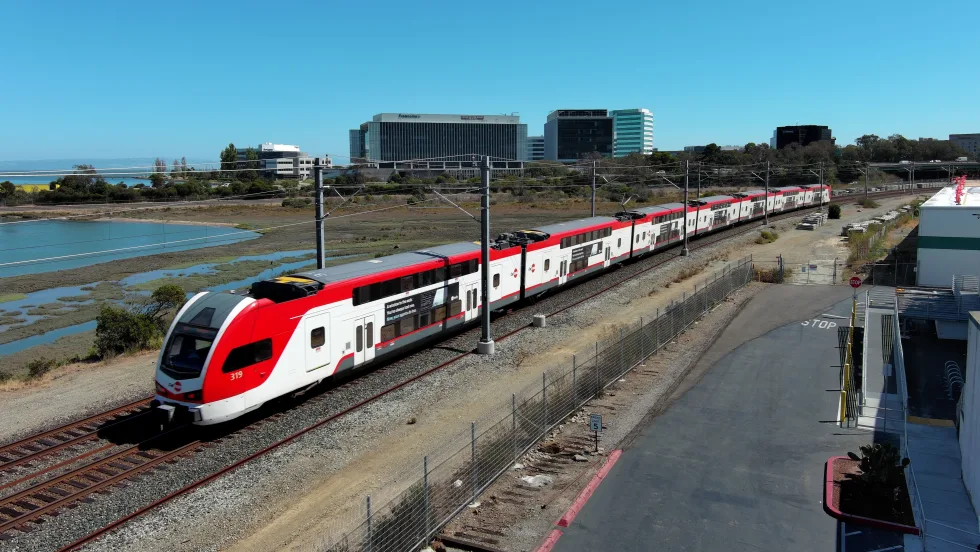
Caltrain’s Electrification Drives a New Era of Ridership Growth
The railroad’s shift to electric service has brought more frequent trains, stronger customer satisfaction, and increased ridership, earning it APTA’s Outstanding Public Transportation System award.
Read More →
Chicago, Charlotte Transit Agencies Expand Rider Support Programs
CTA launched crisis intervention teams as CATS prepares to deploy fare ambassadors, expanding customer assistance and security efforts across both systems.
Read More →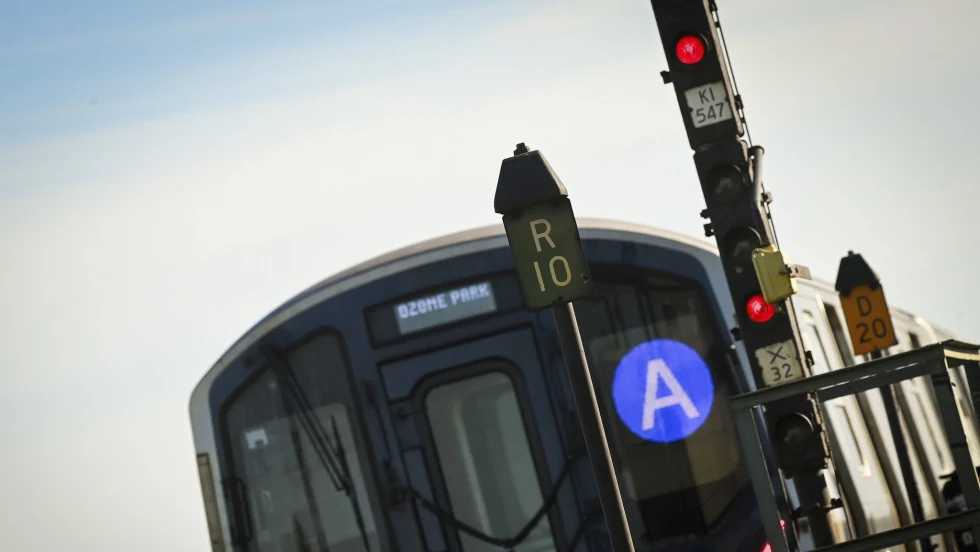
New York MTA Launches Historic $1.9B Signal, Track Modernization Project
Funded in part by congestion pricing revenue, the project will replace nearly century-old signals along the A and C lines in Brooklyn and Queens.
Read More →
Brian Dickson on Building Stronger, More Resilient Transportation Organizations
Bus Business Consultants Founder Brian Dickson discusses the leadership principles, operational discipline, and strategic planning that separate transportation companies positioned for long-term success from those stuck in survival mode.
Read More →
LA Metro Breaks Ground on Vermont BRT Project
The 12.4-mile corridor is projected to serve 66,200 daily riders, reduce travel times by up to 24%, and create the nation's busiest bus rapid transit corridor.
Read More →
Building Stronger Leaders, More Resilient Transit Teams
Dr. Carol Parker Walsh discusses leadership development, employee retention, workplace culture, and preparing transit’s workforce for AI and automation.
Read More →
Roman Cornell on ABC Companies’ Evolution and the Future of Passenger Transportation
The company’s CEO discusses carrying forward a third-generation family legacy, ABC’s continued evolution in passenger transportation, support for increasingly complex fleets, and how technology and continued investment could help operators improve uptime.
Read More →
CATS Launches West Charlotte Microtransit Zone, Expands Transit Services
The new microtransit zone connects residents to key destinations as Charlotte Area Transit System rolls out the first phase of its 2055 Transit System Plan.
Read More →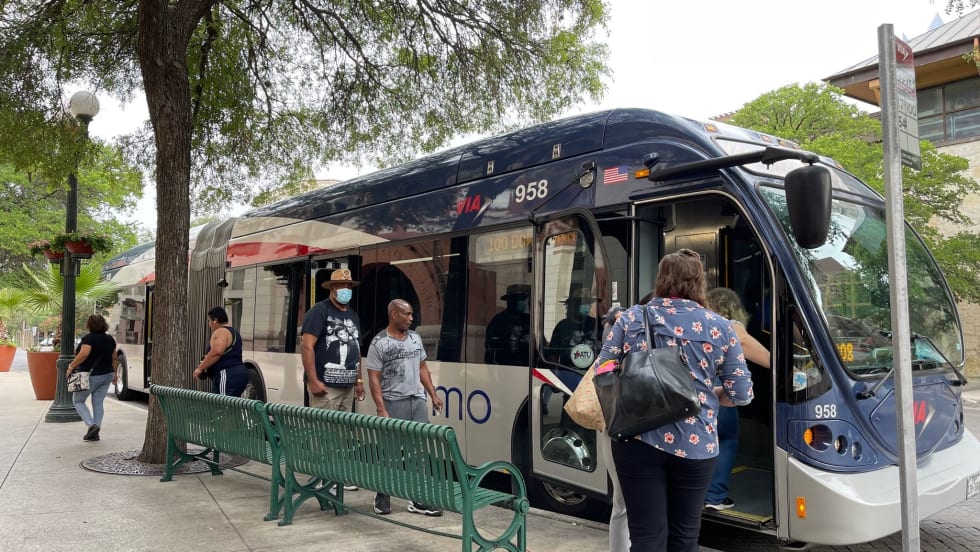
VIA Bus Ridership Grows 10.1% Through August 2026
San Antonio's VIA Metropolitan Transit reported the highest bus ridership growth among major Texas transit systems. Federal Transit Administration data ranked it second among the nation's 50 largest transit systems.
Read More →
CSA Group Releases Climate Resilience Standard for Transit, Passenger Rail
Developed with support from the Standards Council of Canada, CSA D700 guides assessing climate-related risks and planning adaptation measures for transit and passenger rail systems.
Read More →