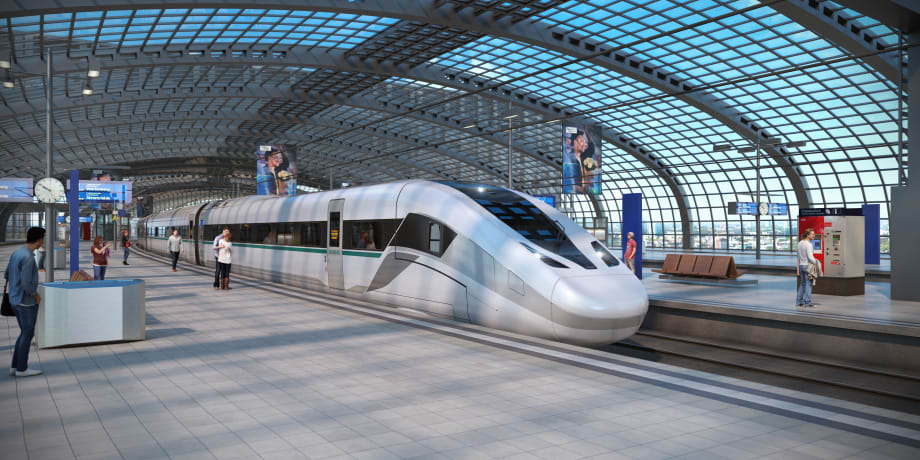
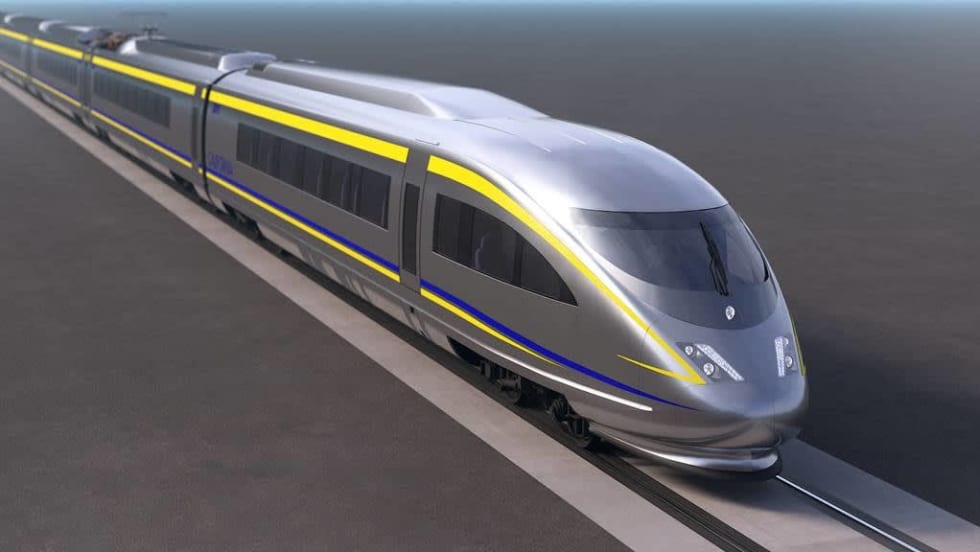
Running at about 186 miles per hour, the new high-speed train uses 30% less energy than previous Velaro models, which translates to average savings of 1,375 tons of CO2 a year.
Configuration options like this make the Velaro Novo future-proof and flexible, and the trains can be adapted to an operator’s new needs even after years in operation.
Siemens
2 min to read
Configuration options like this make the Velaro Novo future-proof and flexible, and the trains can be adapted to an operator’s new needs even after years in operation.
Siemens
Siemens is presenting a new concept for high-speed trains at the InnoTrans 2018, the world’s biggest trade fair for rail technology. The Velaro Novo sets new standards for efficiency and sustainability and at the same time offers the highest passenger comfort and convenience, according to the company. Siemens has developed the new high-speed platform for service from approximately 155 miles per hour to approximately 223 miles per hour, throughout the world.
"The Velaro Novo is our answer to global demands in high-speed transport. The new train writes a new chapter in the Velaro's success story and enables operators to offer improved passenger comfort and economy over the train's entire lifecycle. What we are presenting today is the result of five years of development: a platform offering uniquely optimized energy consumption and maintenance costs, as well as maximum flexibility and reliability," says Sabrina Soussan, CEO of the Mobility Division at Siemens.
Ad Loading...
Running at about 186 miles per hour, the new high-speed train uses 30% less energy than previous Velaro models, which translates to average savings of 1,375 tons of CO2 a year. Thanks to its lightweight construction, the train’s weight was reduced by 15%. At the same time, available space for passengers was increased by 10%. The car body is based on the empty tube concept, meaning that there are no permanent installations inside the car and the interior can be furnished according to customer wishes. Configuration options like this make the Velaro Novo future-proof and flexible, and the trains can be adapted to an operator’s new needs even after years in operation. Maintenance costs are reduced thanks to the integration of state-of-the-art measurement and sensor technology.
Siemens has been testing parts of the new high-speed train since April 2018. The Novo test car, integrated into the ICE S operated by DB Systemtechnik, is currently undergoing test runs throughout Germany.
Siemens previously developed four generations of the Velaro. The trains have been in service since 2000 and are currently operating in Germany, the Netherlands, Belgium, Switzerland, Spain, France, China, Russia, the UK, and Turkey.
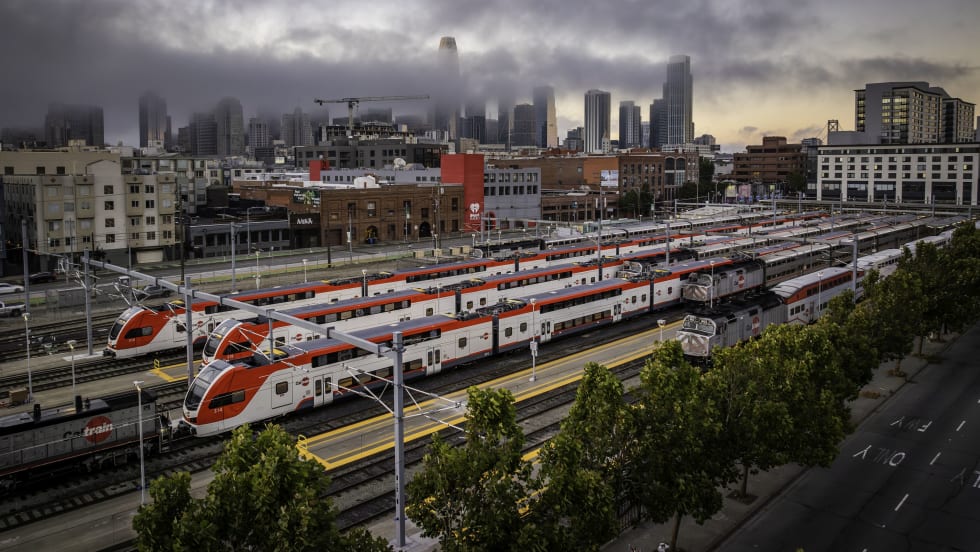
The Peninsula Corridor Joint Powers Board recently met for a budget workshop, during which staff outlined the significant service reductions Caltrain could be forced to make without new external funding.
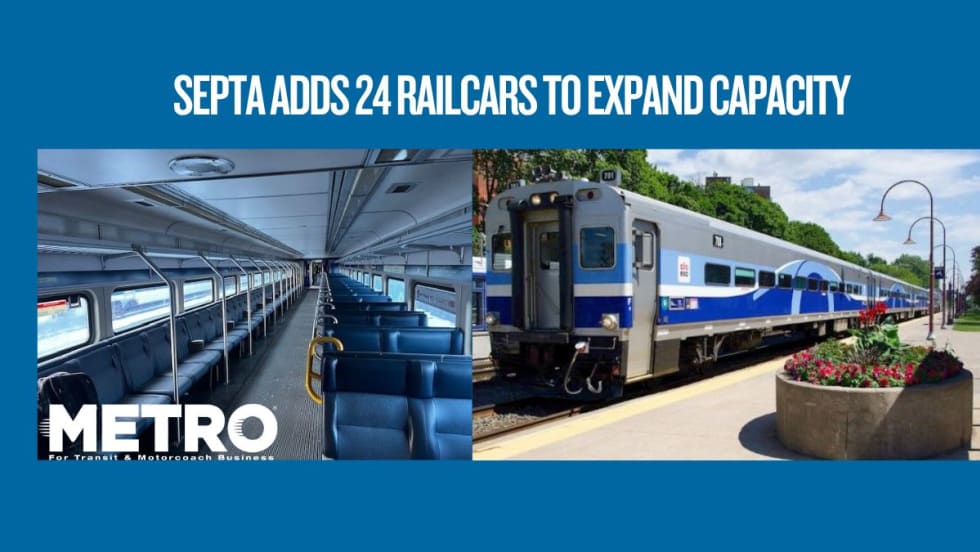
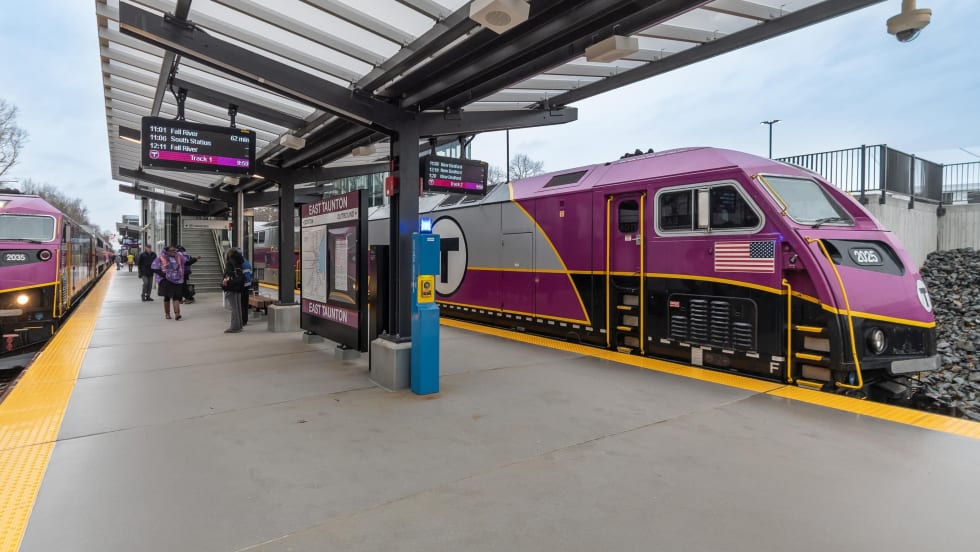
Funding for the purchase of the railcars comes from the nearly $220 million in additional capital dollars Gov. Josh Shapiro allocated in November 2025 to support urgent safety upgrades and infrastructure improvements.
With major events and increased travel expected across the state this summer, the Administration is focused on making sure people have a reliable, affordable alternative to driving so we can reduce congestion, support daily commuters, and keep Massachusetts moving.
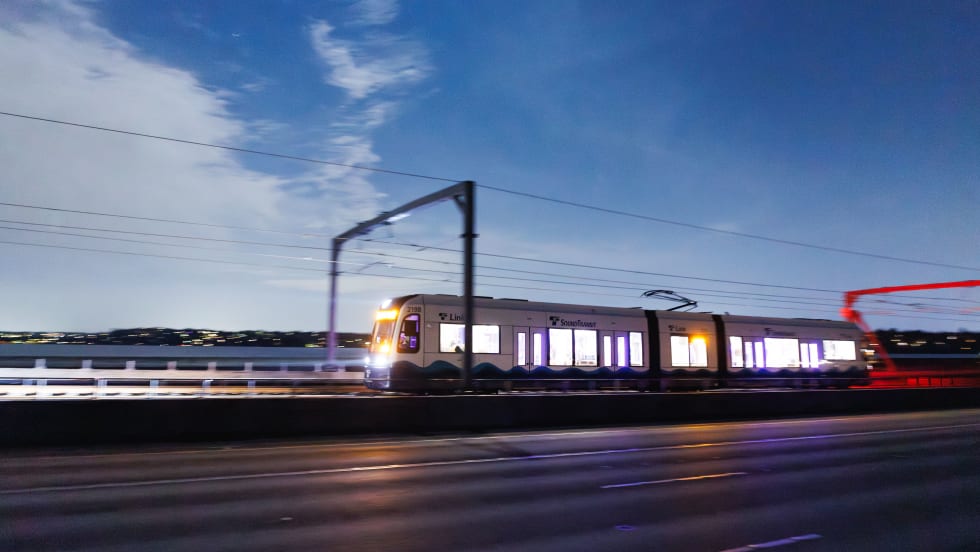
The final seven-mile segment of the 2 Line includes new stations at Mercer Island and Judkins Park and connects to the 1 Line at the International District/Chinatown Station. The Link light rail system now spans 63 miles and includes 50 stations.
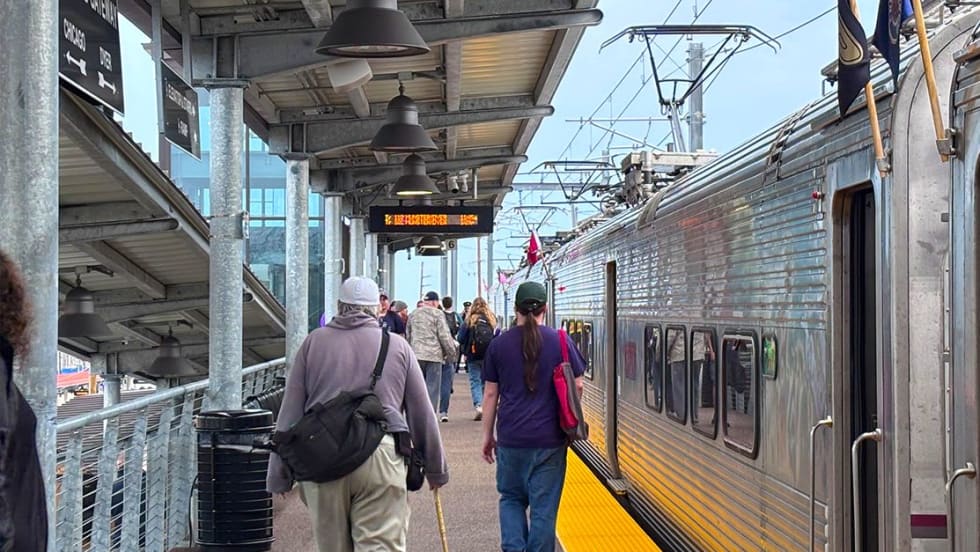
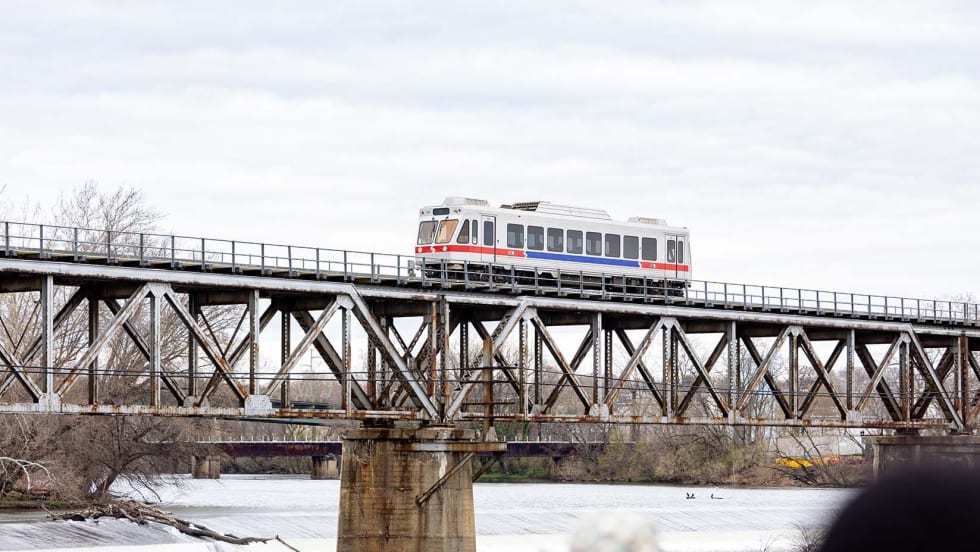
From March 29 through May 9, shuttle buses will replace train service between Bridgeport Station and Norristown Transit Center. Train service will operate as normal between Bridgeport Station and 69th Street Transit Center.
Nadine S. Lee, who has served as president/CEO since July 2021, said the decision comes after careful reflection on the agency’s progress and its path forward.
In this edition of Biz Briefs, we highlight the latest developments shaping the future of mobility — from manufacturers and technology providers to transit agencies and motorcoach service operators.