




RELATED: [Video] bio-bean: Powered by coffee
Converted cooking oil fuels WKU's shuttle bus
Engineering students convert cooking oil previously used to prepare French fries, chicken and other favorites in campus restaurants to biodiesel.
April 13, 2018
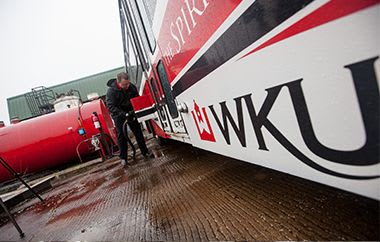
Western Kentucky University's Topper Transit shuttle will begin running on 100% biofuel for the campus' Earth Day Celebration on April 19. Photo: WKU
3 min to read

Western Kentucky University's (WKU) Topper Transit Bus #13 is undergoing a big change this Earth Month. The shuttle will begin running on 100% biofuel for the campus' Earth Day Celebration on April 19 through a collaboration between WKU’s School of Engineering & Applied Sciences, Agriculture & Research Education Center, Restaurant Group and Parking & Transportation Services.
Engineering students (WKU Biofuels) convert cooking oil previously used to prepare french fries, chicken, and other favorites in campus restaurants to biodiesel at a facility at the WKU Farm.
WKU Biofuels has been converting campus dining used cooking oil into fuel at the WKU Farm since 2013. The biodiesel has been used to run tractors and reduce farm fuel costs and carbon emissions. The collaboration between Agriculture and Engineering programs engages students in real-life problem solving — the facility was designed, built and is operated by students in the Mechanical Engineering program.
“The biodiesel project continues to be a very real and hands-on way to connect engineering students to functioning mechanical systems and prepare them for future collaborative projects,” said, Troy Robertson, an engineering technician for WKU School of Engineering & Applied Sciences, who advises the biodiesel project.

The students retrieve the used cooking oil from dining locations on campus and transport it to the WKU Farm, where it undergoes a process of heating, drying, and mixing with methanol and lye (known as methoxide) in a process called transeserification. The methanol and vegetable oil are turned into biodiesel and glycerin. The byproduct glycerin is removed and the lye is washed from the biodiesel, which is then dried and after final testing is ready to be used as fuel.
The benefit of this entire process is that vegetable oil, which has already been used for its main purpose of feeding people, and one gallon of a traditional hydrocarbon (the methanol) can be converted into nearly five gallons of biodiesel — making it unnecessary to burn those gallons of traditional diesel fuel. The conversion of used cooking oil to biofuel eliminates the oil as waste and converts it to a clean burning fuel, significantly reducing carbon emissions and other environmental impacts.
Having produced more than 5,000 gallons of biodiesel, WKU Biofuels students and staff are experienced in the process and ready to take the project beyond the farm and onto the WKU campus.
WKU Parking and Transportation Services will use the converted cooking oil to fuel shuttle #13, which runs the White Line. While riders will not notice any difference in the shuttle’s performance (except maybe the faint smell of french fries), educational information on the bus will promote awareness among passengers of the significance of the bus as a sustainability best practice.
“Topper Transit is a proud partner in the WKU biodiesel project. This is an exciting first step that will promote better environmental sustainability and reduce our carbon footprint in the community,” said WKU Assistant Director of Transportation Tim McWhorter, who has been working with the biofuels faculty and students on the collaboration. “The used cooking oil from campus dining services is donated so students can gain experience converting the used cooking oil to biodiesel. The biodiesel will fuel one of our buses to transport students around campus.”
This story was originally published byWestern Kentucky University.
More Technology
ABA's Ferguson Testifies in Support of BUS Act, National Standards for Bus Operators
The BUSES Act would create a nationwide framework preventing state and local governments from enforcing bus idling restrictions of less than 15 minutes, a threshold consistent with existing Environmental Protection Agency guidance.
Read More →
When Routine Fails: How Public Transit Must Adapt for the World Cup
The 2026 FIFA World Cup will test transit agencies’ ability to manage unpredictable travel patterns, making real-time data and operational flexibility critical to moving millions of visitors efficiently.
Read More →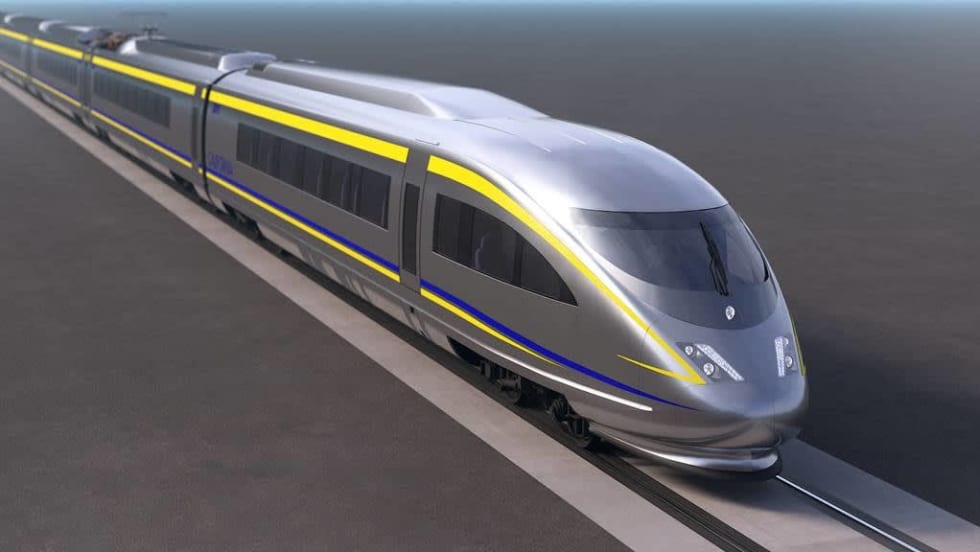
California Selects Team for Nation’s First True High-Speed Rail Track and Systems Contract
The board action follows completion of track installation at the 150-acre southern railhead in Kern County, which will serve as the staging and distribution hub for high-speed track and systems installation.
Read More →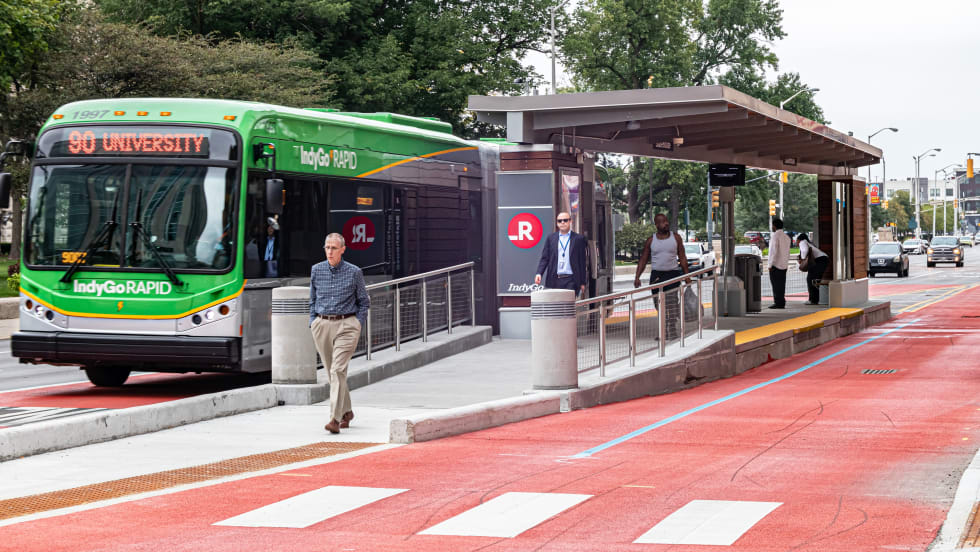
IndyGo, Cleveland RTA Expand Digital Fare Payment Options with Masabi
The new systems combine mobile apps, smart cards, and automatic fare capping to simplify payments, expand flexibility, and help riders access the lowest available fares.
Read More →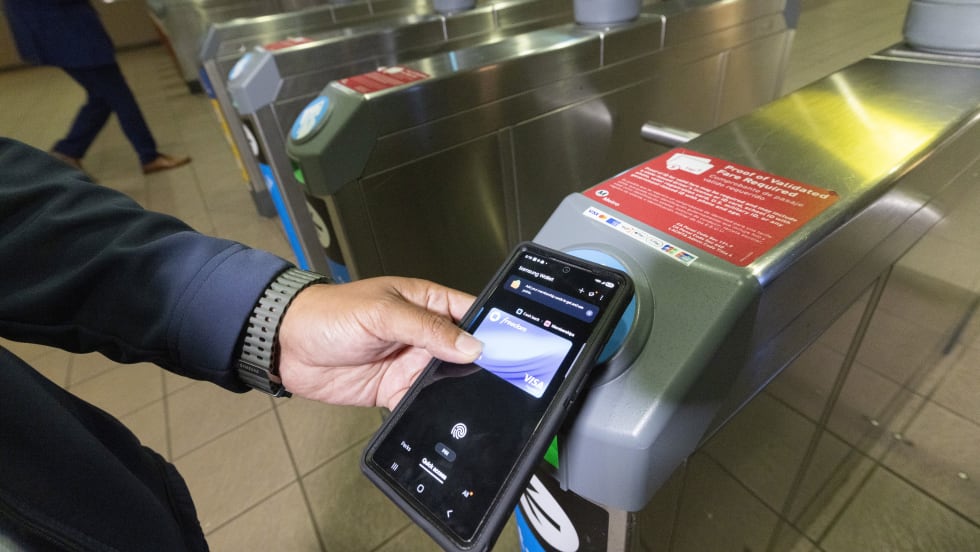
LA Metro Launches New Mobile App, Contactless Payment Options
Available on Metro and at 26 TAP-participating transit agencies, the system reduces waiting times, speeds boarding, and improves convenience systemwide, said the agency.
Read More →
Joshua Schank on Transportation Innovation, Risk, and the Future of Mobility
In this edition of METROspectives, the co-author of New Tricks for Old Bureaucracies, discusses lessons from launching LA Metro’s Office of Extraordinary Innovation, the challenges of advancing new mobility technologies, and much more.
Read More →
Biz Briefs: Foothill Gold Line Award, Matawan Contract, and More
From strategic partnerships to acquisitions and service expansions, the industry continues to evolve at a rapid pace. Find out all the latest here.
Read More →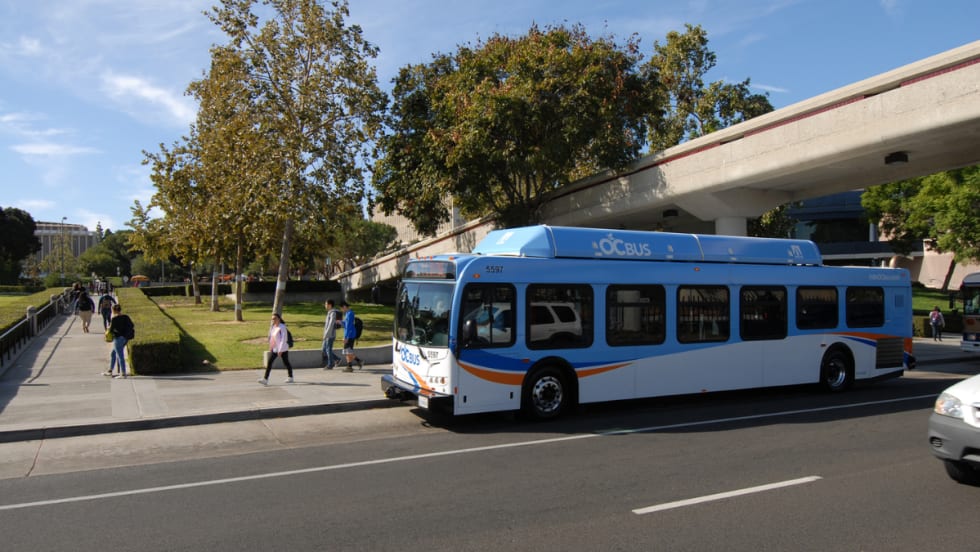
OCTA Sees Growing Adoption of Wave Fare Payment System
Since launching in October 2025, the Wave system has steadily replaced previous fare media with faster, more flexible payment options designed to streamline boarding, improve reliability, and help riders more easily access fare discounts and cost-saving benefits, said OCTA
Read More →
The Evolving Role of Program Management in Transit Delivery
Brian Buchanan, HDR’s transit program management lead, discusses how agencies can strengthen governance, anticipate risk and deliver large-scale projects more effectively.
Read More →
Sponsored•May 27, 2026
2026 METRO Buyer’s Guide & Directory
Searching for the right vehicles, technology, equipment, or services for your public transit or motorcoach operation? This industry guide brings together manufacturers and suppliers from across the transportation market — all in one place. Download it to connect with the companies that help agencies and operators improve mobility, enhance operations, and move their organizations forward.
Read More →