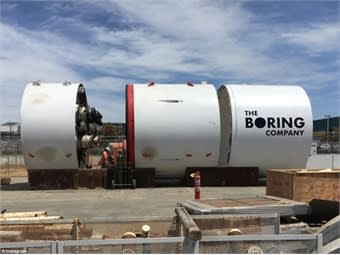
Godot, The Boring Co.'s tunnel boring machine (TBM) at the SpaceX headquarters in Hawthorne, California. The machine is named after the Beckett play, "Waiting for Gadot." Photo via The Boring Co.
1 min to read
Godot, The Boring Co.'s tunnel boring machine (TBM) at the SpaceX headquarters in Hawthorne, California. The machine is named after the Beckett play, "Waiting for Gadot." Photo via The Boring Co.
WASHINGTON, D.C. — Elon Musk’s Boring Co. received a permit for preparation and preliminary excavation of a site in the nation’s capital in hopes of building a hyperloop line that would extend from Washington, D.C. to New York, Tech Crunch reports.
In July, Musk tweeted that he had received verbal government approval to build a multi-state underground Hyperloop on the East Coast. While such approval doesn’t formally exist, the White House had reportedly had positive conversations with The Boring Company over the proposed tunnel.
Musk’s hyperloop tunnel would run from New York to Philadelphia to Baltimore to D.C. His company recently received a conditional permit to start operations in Hawthorne, Md., for a 10.3 mile route. Maryland officials told The Washington Post that the tunnel would run under Maryland Route 295, with the D.C.-Baltimore leg being built first. For the full story, click here.
The proposed acquisition of a company with deep digital expertise and expected 2026 revenues of over $220 million marks a significant step in Hitachi Rail’s strategy to operate as a leading global digital mobility player, the company said.
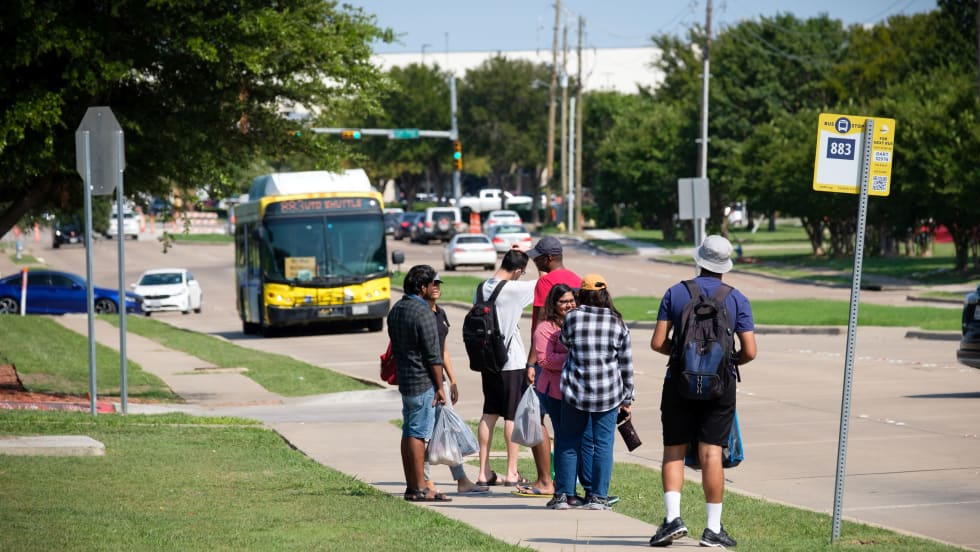
The board authorized a five-year contract, with two one-year options, to Tolar Manufacturing Company Inc., for the fabrication and installation of upgraded passenger amenities at bus stops across the DART Service Area.
As motorcoaches navigate increasingly congested urban corridors filled with pedestrians, cyclists, scooters, and distracted drivers, safety leaders across the industry are confronting a growing challenge: visibility.
In this edition of Biz Briefs, we highlight the latest developments shaping the future of mobility — from manufacturers and technology providers to transit agencies and motorcoach service operators.
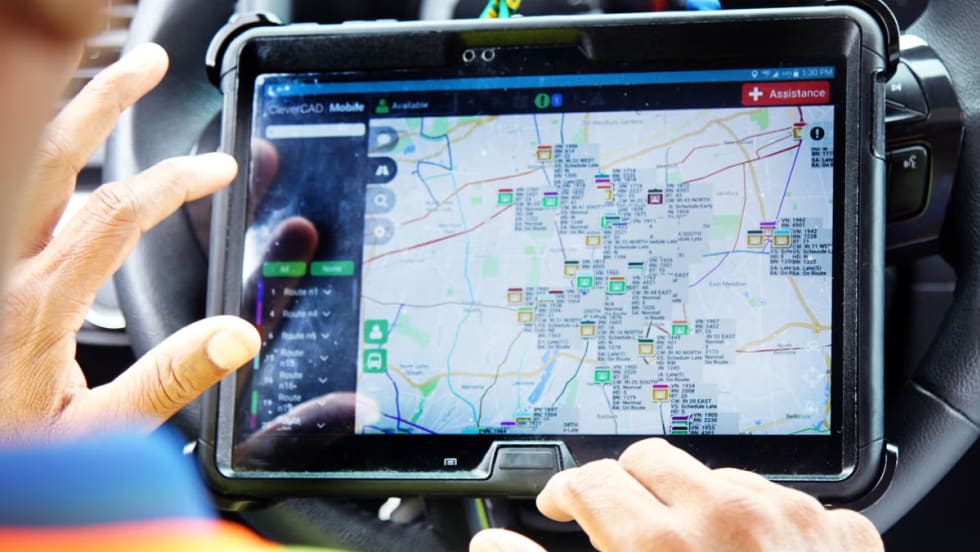
In this product roundup, METRO highlights transit software platforms designed to optimize scheduling; harness actionable data; and support flexible, on-demand operations.
A major goal of the pilot, which begins in April, is to test the speed, functionality, and durability of new handheld devices to scan Ventra and paper tickets.