




RELATED: APTA 'encouraged' by infrastructure proposal in SOTU, but concerned
President releases $1.5 trillion infrastructure plan
Allocates $100 billion for a grant competition with preference given to applicants that raise revenue such as taxes, fees or tolls, and would limit federal help to 20% of new money generated.
February 12, 2018
Kevin McCoy
2 min to read

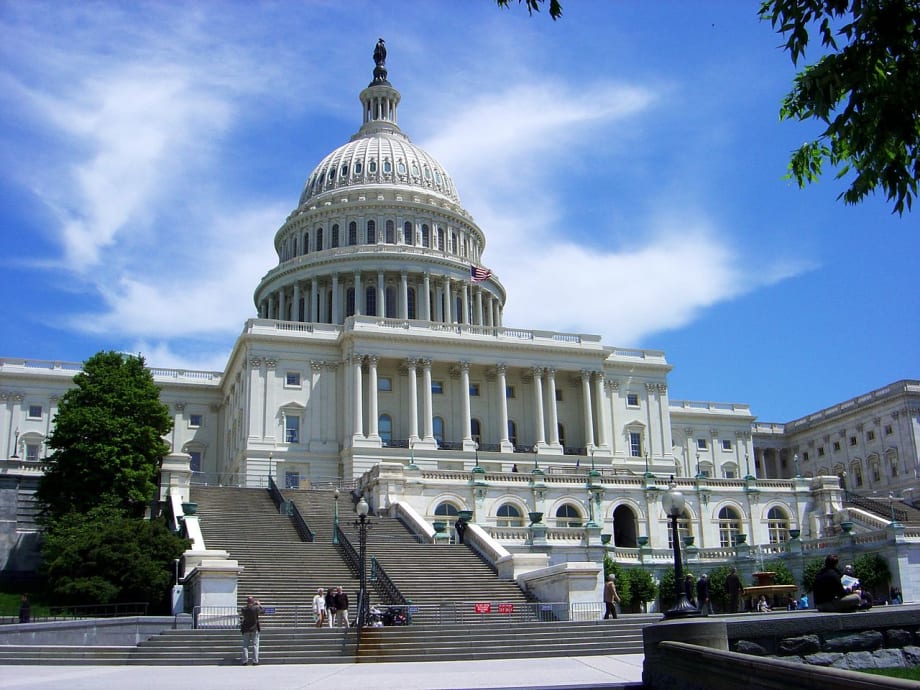
WASHINGTON, D.C. — On Monday, the Trump Administration released the long-awaited proposal to upgrade roads, airports, and other public works, with the release of a 53-page document detailing how the Administration plans to stimulate at least $1.5 trillion in new investment, shorten project permitting time to two years, invest in rural projects, and improve worker training, Bloomberg reports.
The newest elements of the proposal include expanding the use of tax-exempt debt, letting states add tolls on interstates, and making it easier to lease airports and other public assets. The infrastructure plan also proposes streamlining environmental reviews by putting a single agency in charge of the work, imposing a 21-month deadline for completing those assessments and requiring final decisions on permitting three months after that.
The plan allocates $100 billion for a grant competition with preference given to applicants that raise revenue such as taxes, fees or tolls, and would limit federal help to 20% of new money generated. It includes $20 billion to boost federal lending programs and private-activity bonds used to attract private investment. There would also be $50 billion in block grants to governors to choose rural projects, $20 billion for “transformational” projects, and $10 billion for a capital financing fund for federal infrastructure.
The White House said it isn’t including specific projects, such as the $30 billion Gateway proposal that includes a new rail tunnel connecting New York City and New Jersey, although such initiatives could be eligible for funding under the plan. For the full story, click here.
The American Association of State Highway and Transportation Officials today issued the following statement in response to the public release of the long-anticipated White House infrastructure proposal.
“State DOT leaders appreciate the president’s ongoing interest in, and support for, increased federal investment in infrastructure,” said Bud Wright, executive director for the American Association of State Highway and Transportation Officials. “We hope the release of the Trump infrastructure plan can be a starting point for a robust conversation on how best to make the critical investments in surface transportation. AASHTO and its members stand ready to work with the Administration and Congress to address the long-term viability of the Highway Trust Fund and to speed the federal review and permitting process.”
More Management
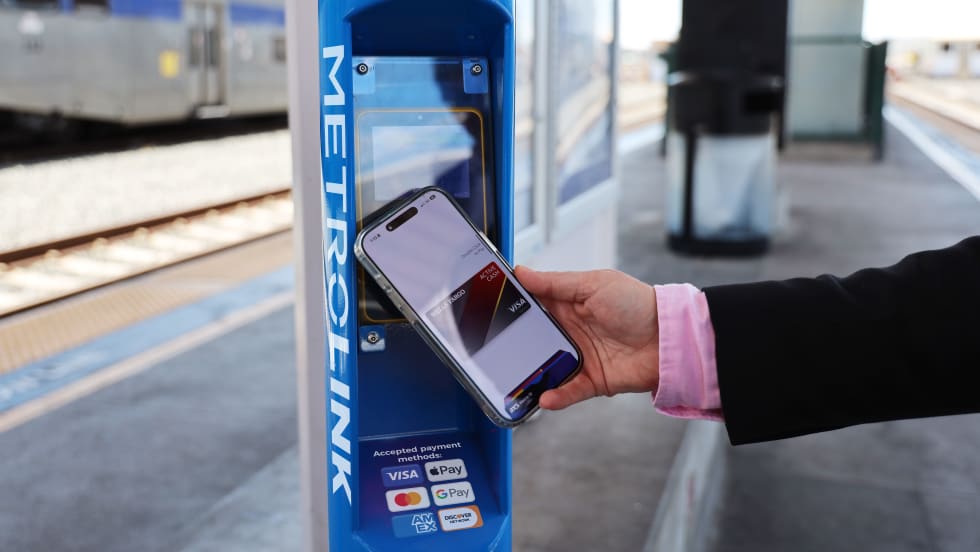
Southern California's Metrolink Debuts Contactless Fare Payment Pilot
Customers traveling between Redlands and Los Angeles can now tap their preferred payment method, including a credit or debit card, mobile wallet, or wearable device, at station validators before boarding and again while exiting.
Read More →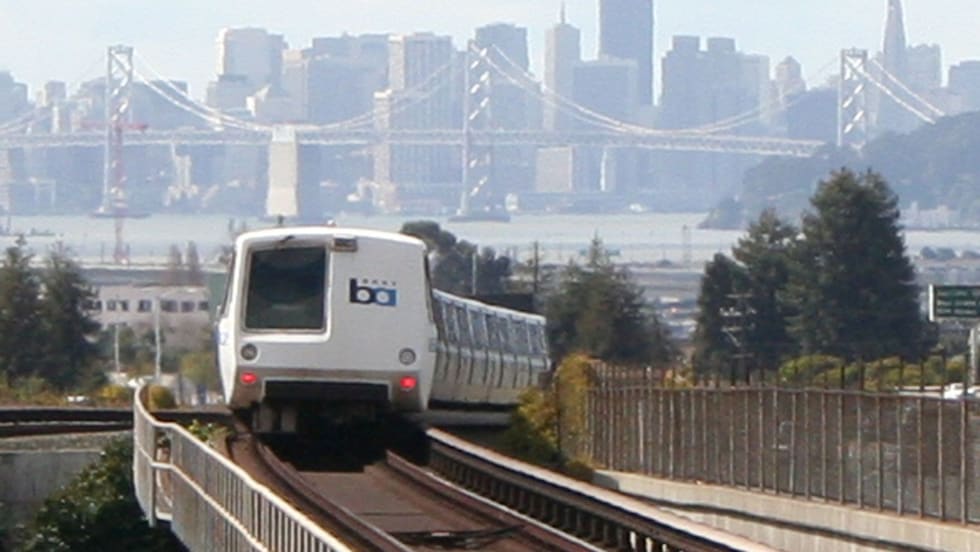
California's BART Approves FY27 Budget While Maintaining Service Levels
The budget covers July 1, 2026, through June 30, 2027, a period when pandemic emergency funds run out, the District faces a structural deficit of $375 million, and a regional transit funding measure may appear on the November ballot.
Read More →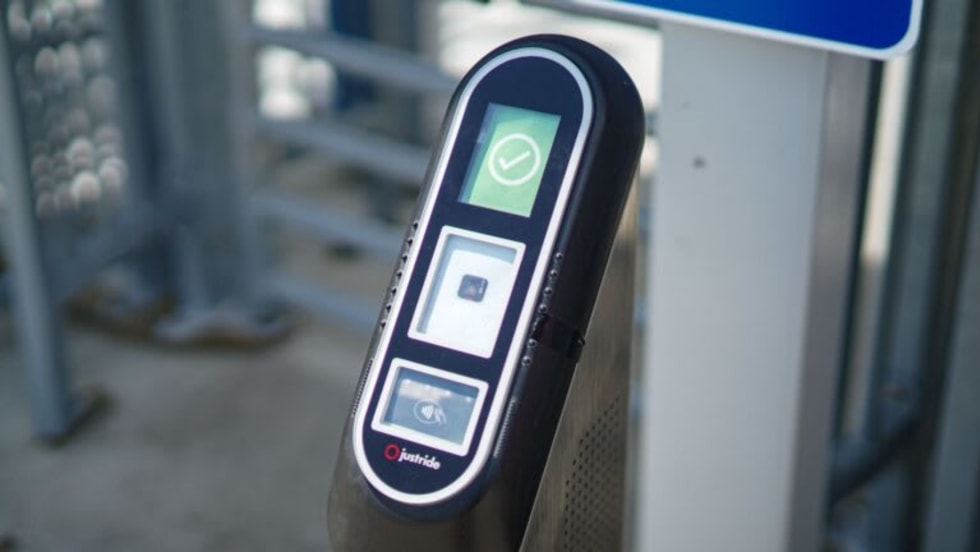
STL Metro Transit To Launch Next-Generation Fare Collection and Security Gates
The St. Louis transit agency will begin the phased rollout of gated station access and integrated fare technology to improve security and the customer experience.
Read More →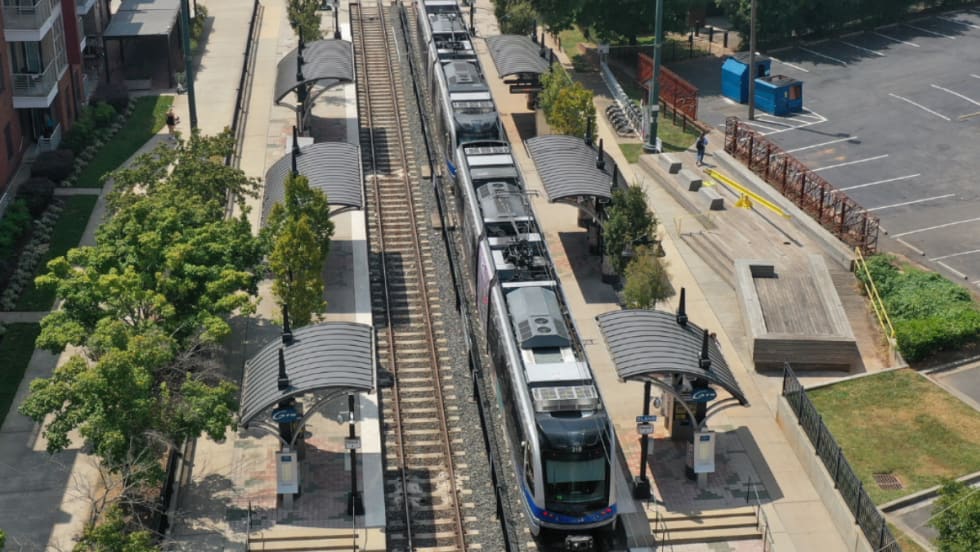
CATS FY27 Budget Prioritizes Safety, Service
New investments in security, service expansion, and rail development aim to improve the rider experience while keeping fares flat.
Read More →
Transit Agencies Nationwide Gear Up to Move World Cup Crowds
As millions of fans prepare to descend on host cities, transit leaders are turning a month-long global event into a proving ground for the future of customer experience, mobility, and crowd management.
Read More →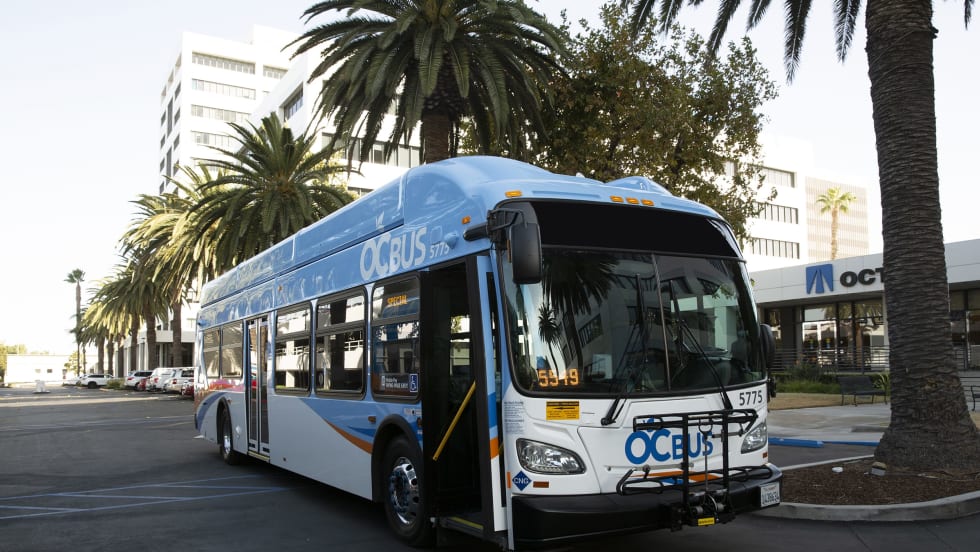
OCTA Approves $2 Billion Budget for FY 2026-27, Prioritizing Transit Investments
More than half of the agency’s upcoming spending plan is dedicated to transit as OCTA balances infrastructure investment with fiscal stability.
Read More →
Joshua Schank on Transportation Innovation, Risk, and the Future of Mobility
In this edition of METROspectives, Joshua Schank discusses lessons from launching LA Metro’s Office of Extraordinary Innovation, the challenges of advancing new mobility technologies, and much more.
Read More →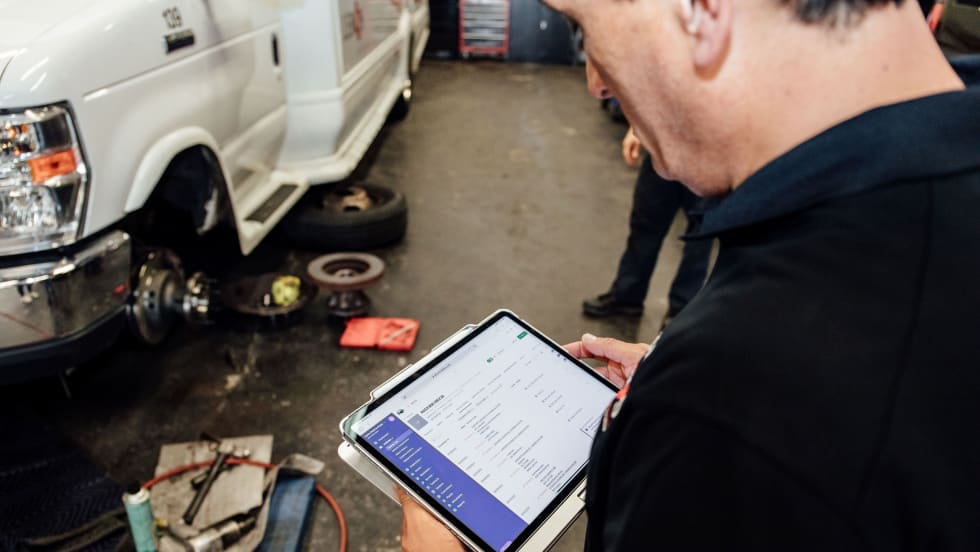
Reinventing Fleet Maintenance with Real-time Visibility and AI
Transit leaders need to know what needs fixing, where to look, who is responsible, when work is completed, and what it costs without having to chase information across disconnected systems.
Read More →
Alstom Acquires Delaware Site to Support Amtrak NextGen Acela Fleet
The company is investing more than $55 million to acquire and improve the property and will employ approximately 100 people at this site once it is operational.
Read More →
SamTrans Sets Priorities for Potential Connect Bay Area Revenue
The board-approved framework allocates future funding to maintaining service, rider improvements, equity initiatives, and infrastructure repairs.
Read More →