



Clean Energy lands Dallas Fort Worth Airport RNG fueling contract
In addition to the fueling agreement, Clean Energy and DFW extended the current operations and maintenance agreement for the airport’s public natural gas fueling stations.


The Dallas Fort Worth International (DFW) Airport awarded Clean Energy Fuels Corp. a renewable natural gas (RNG) fueling contract for the airport’s vehicle fleet. The contract calls for Clean Energy to provide the airport with its Redeem™ brand of RNG, the first renewable and commercially available vehicle fuel made entirely from 100% organic waste. The use of RNG has the potential to reduce DFW fleet emissions by approximately 70%.
In addition to the fueling agreement, Clean Energy and DFW extended the current operations and maintenance agreement for the airport’s public natural gas fueling stations. The contract stations dispense approximately two million gasoline gallon equivalents (GGEs) each year.
“We continue to see strong interest in our Redeem RNG product,” said Tyler Henn, VP/GM of Clean Energy Renewables. “Businesses and municipalities are learning that by fueling with RNG you not only get a cleaner fuel but you get a fuel that is domestically produced and more economical.”
DFW is the only airport in the U.S. to be certified as Carbon Neutral and the largest airport in the world with that distinction. It will become the first airport outside of California to use Redeem™ RNG.
“DFW has a strong commitment to sustainability, and we will continue to look for innovative ways to reduce our emissions, while improving the customer experience,” said Robert Horton, DFW’s VP, environmental affairs. “Using RNG for our fleet of vehicles will help us reduce our carbon footprint and our operating costs. It makes good business sense.”
Clean Energy conducted the design, build, operations, and maintenance for the airport’s first natural gas fueling station in 2000 and was selected to build and operate the second station in 2011.
More Technology
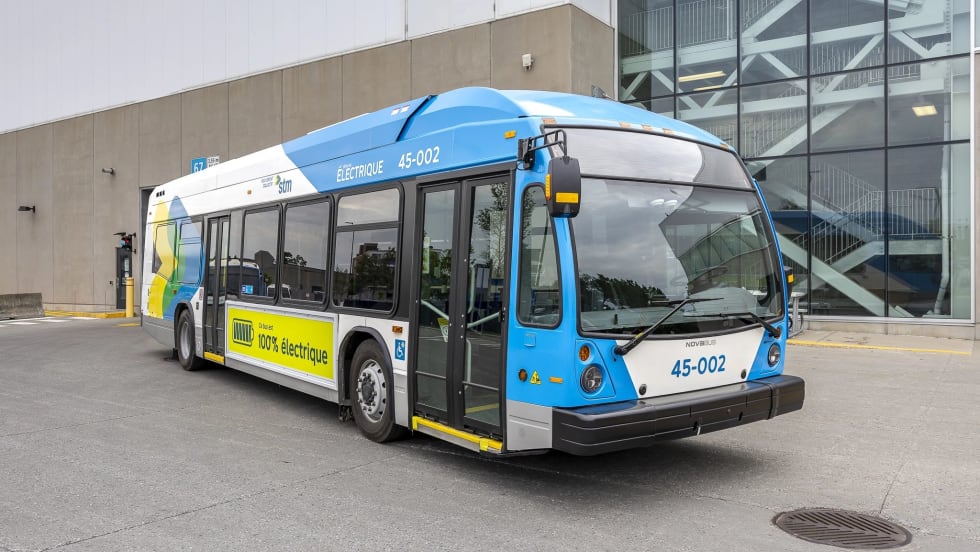
Biz Briefs: Montréal Debuts Nova Electric Buses and More
In this edition of Biz Briefs, we spotlight the latest developments shaping the future of mobility.
Read More →
The Hidden Cost of Fuel Data Inaccuracy in Public Transit Fleets
In today's transit environment, accurate fuel and mileage data are critical to reducing costs, minimizing downtime, and improving fleet performance.
Read More →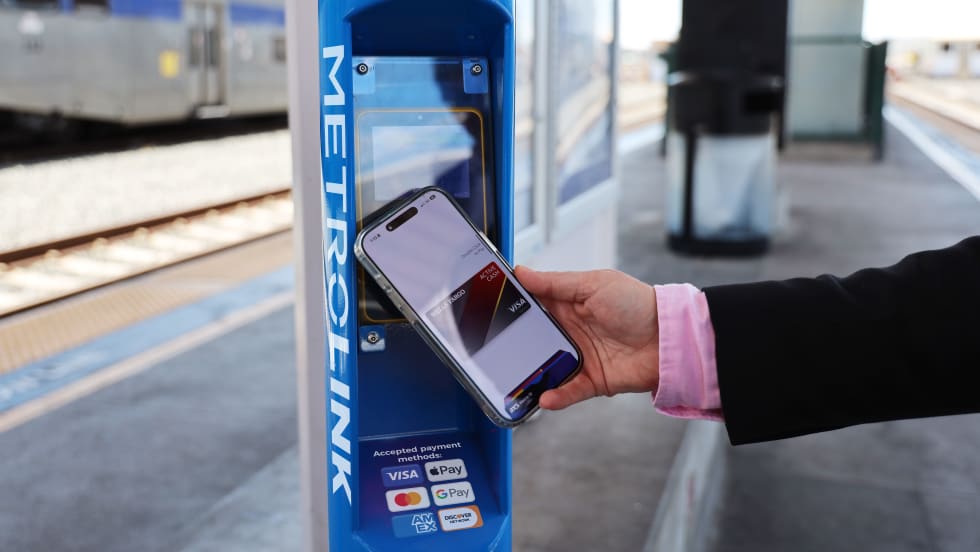
Southern California's Metrolink Debuts Contactless Fare Payment Pilot
Customers traveling between Redlands and Los Angeles can now tap their preferred payment method, including a credit or debit card, mobile wallet, or wearable device, at station validators before boarding and again while exiting.
Read More →
METROspectives: CharterUP CEO Armir Harris on Modernizing Mobility
From digital transformation to evolving customer demands, CharterUP's CEO Armir Harris offers his perspective on the transportation industry's next chapter.
Read More →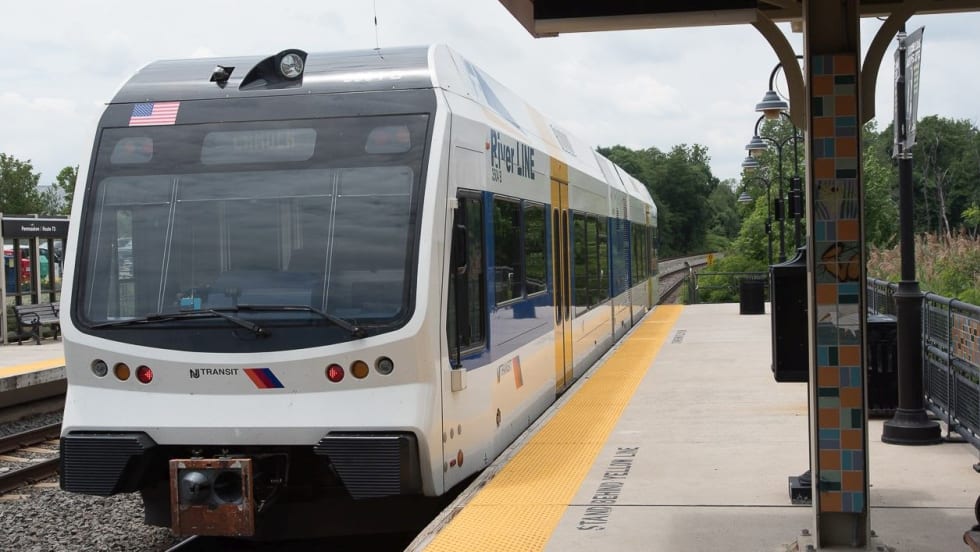
NJ TRANSIT Issues RFI for Unified Real-Time Customer Information Platform
The agency is seeking input from companies that provide real-time transit communications systems as part of an effort to enhance the customer experience and modernize how riders receive service alerts, travel information, and system status updates.
Read More →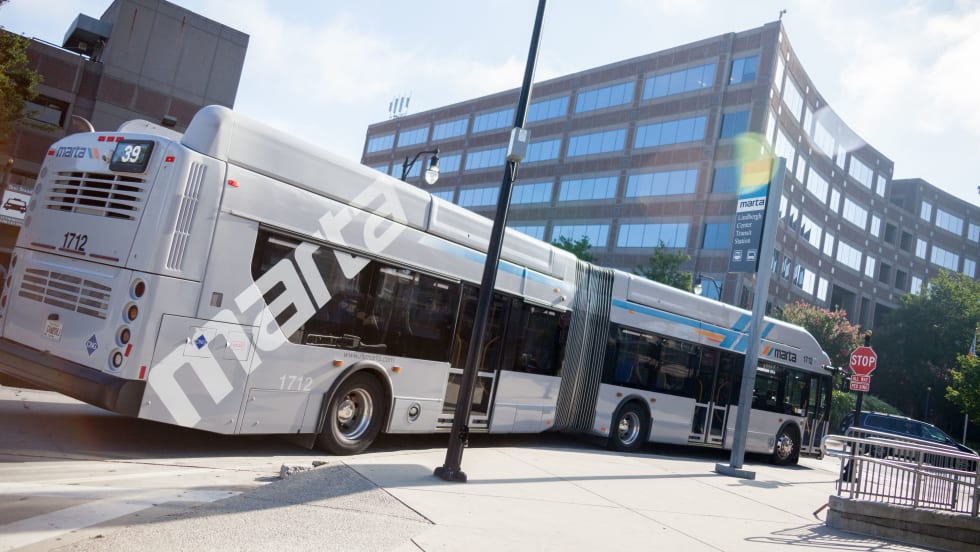
Mobile Apps and Passenger Information Top METRO's Business Briefs
In our latest installment, we take a look at recent news from Masabi, Axentia, Moovit, and more partnerships making headlines across the transportation sector.
Read More →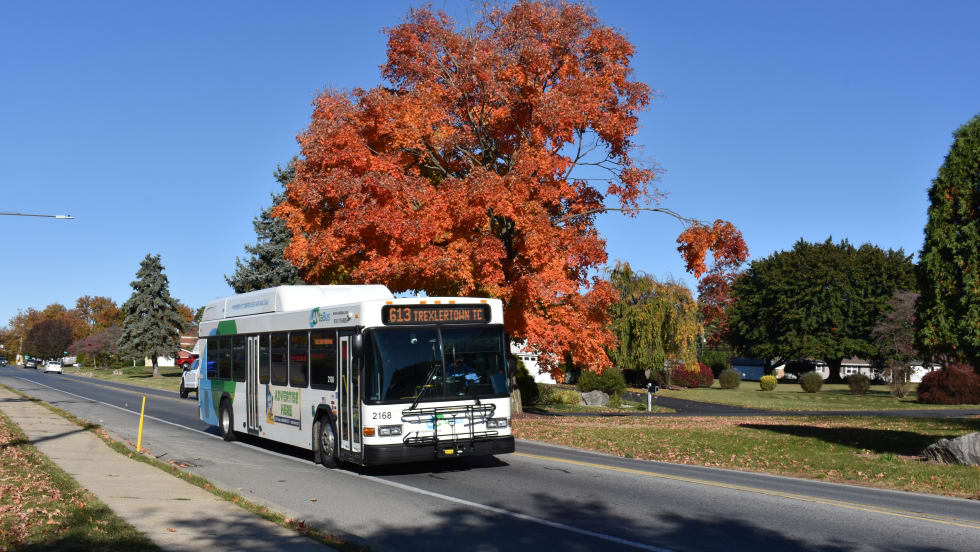
Biz Briefs: Masabi Partners with LANTA and More
In this edition, we spotlight the latest developments shaping the future of mobility.
Read More →
Joshua Schank on Transportation Innovation, Risk, and the Future of Mobility
In this edition of METROspectives, Joshua Schank discusses lessons from launching LA Metro’s Office of Extraordinary Innovation, the challenges of advancing new mobility technologies, and much more.
Read More →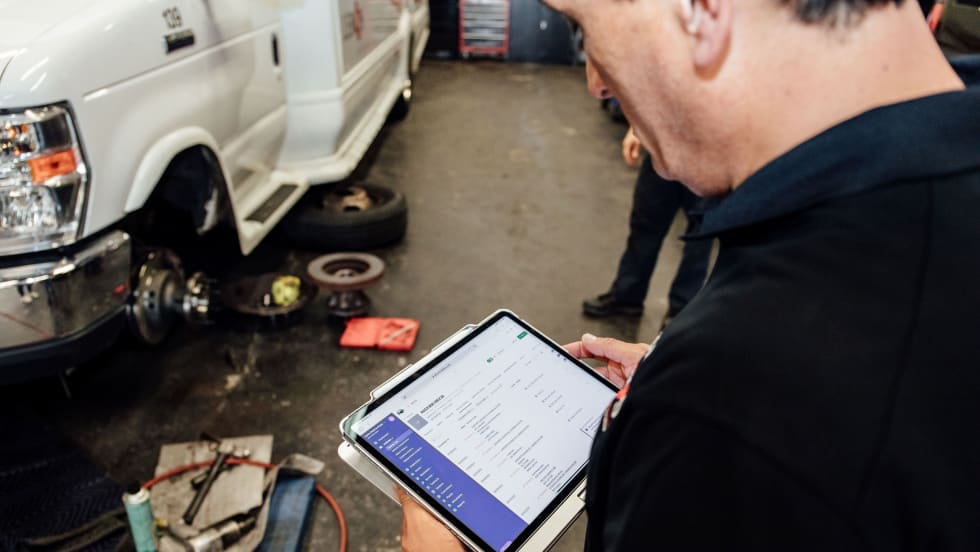
Reinventing Fleet Maintenance with Real-time Visibility and AI
Transit leaders need to know what needs fixing, where to look, who is responsible, when work is completed, and what it costs without having to chase information across disconnected systems.
Read More →
Alstom Acquires Delaware Site to Support Amtrak NextGen Acela Fleet
The company is investing more than $55 million to acquire and improve the property and will employ approximately 100 people at this site once it is operational.
Read More →