




RELATED: Mass. agency adds 3 Proterra electric buses, chargers
Proterra secures $140M in funding for expansion, product development
With the new capital, Proterra will dramatically accelerate production capacity on both coasts, while continuing to develop its next generation of heavy-duty electric vehicle products.
January 3, 2017
Proterra
2 min to read

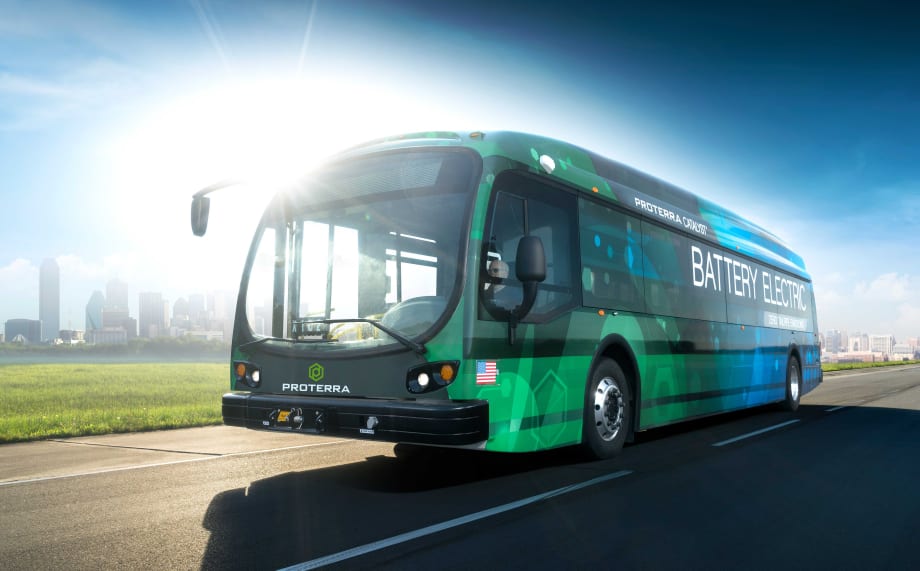
Proterra announced that it has raised $140 million in a Series 5 round of funding. With the new capital, the company will dramatically accelerate production capacity on both coasts, while continuing to develop its next generation of heavy-duty electric vehicle products.
Proterra aims to increase production in its East Coast facility, located in Greenville, S.C., by 300% and initiate production in its City of Industry facility in Los Angeles County. Combined, the facilities will more efficiently serve customers around the U.S. Proterra will hire key personnel in Los Angeles, Silicon Valley, and Greenville to support production growth, as well as implement new manufacturing equipment and systems.
The company partnered with J.P. Morgan to close the equity funding, which was led by $40 million from an undisclosed investor, an additional $60 million from several new investors, and joined by existing board level investors Tao Capital Partners, Kleiner Perkins, GM Ventures, Constellation Technology Ventures, 88 Green Ventures, Edison Energy Inc., and others. This growth equity financing signals an accelerated manufacturing phase for Proterra, as the company doubles production to meet growing customer demand across the U.S.
In September 2016, its engineering team unveiled what is now the world’s most efficient battery system for heavy-duty transportation, offering a 350-mile nominal range in the new Catalyst E2 Series, capable of executing any typical U.S. mass transit route on a single charge. In addition, the company’s 2016 sales awards more than doubled from 2015.
“2016 was an exceptional year for Proterra, and the future growth of this company looks just as promising as it hits a tipping point with transit agencies who are embracing the pivot from diesel- and CNG-powered buses to zero emission mass transit,” said Rob Johnson, chairman of the Proterra board of directors and a partner at Kleiner Perkins Caufield & Byers. “Proterra’s new Catalyst E2 Series represents the first direct replacement for fossil-fueled buses. It is more cost-effective, offers positive public health and environmental benefits and simply outperforms diesel.”
More Technology
Biz Briefs: Masabi Partners with LANTA and More
In this edition, we spotlight the latest developments shaping the future of mobility.
Read More →
Joshua Schank on Transportation Innovation, Risk, and the Future of Mobility
In this edition of METROspectives, Joshua Schank discusses lessons from launching LA Metro’s Office of Extraordinary Innovation, the challenges of advancing new mobility technologies, and much more.
Read More →
Reinventing Fleet Maintenance with Real-time Visibility and AI
Transit leaders need to know what needs fixing, where to look, who is responsible, when work is completed, and what it costs without having to chase information across disconnected systems.
Read More →
Alstom Acquires Delaware Site to Support Amtrak NextGen Acela Fleet
The company is investing more than $55 million to acquire and improve the property and will employ approximately 100 people at this site once it is operational.
Read More →
ABA's Ferguson Testifies in Support of BUS Act, National Standards for Bus Operators
The BUSES Act would create a nationwide framework preventing state and local governments from enforcing bus idling restrictions of less than 15 minutes, a threshold consistent with existing Environmental Protection Agency guidance.
Read More →
When Routine Fails: How Public Transit Must Adapt for the World Cup
The 2026 FIFA World Cup will test transit agencies’ ability to manage unpredictable travel patterns, making real-time data and operational flexibility critical to moving millions of visitors efficiently.
Read More →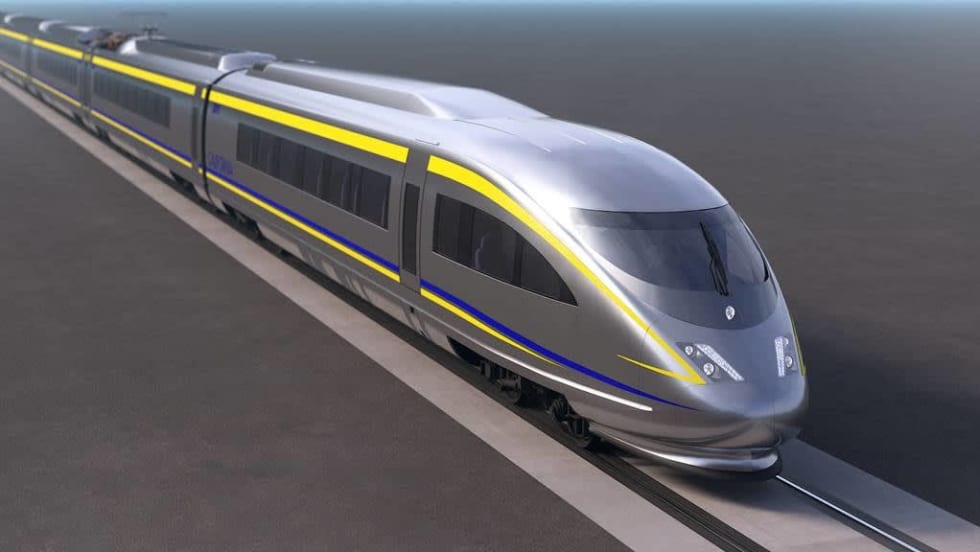
California Selects Team for Nation’s First True High-Speed Rail Track and Systems Contract
The board action follows completion of track installation at the 150-acre southern railhead in Kern County, which will serve as the staging and distribution hub for high-speed track and systems installation.
Read More →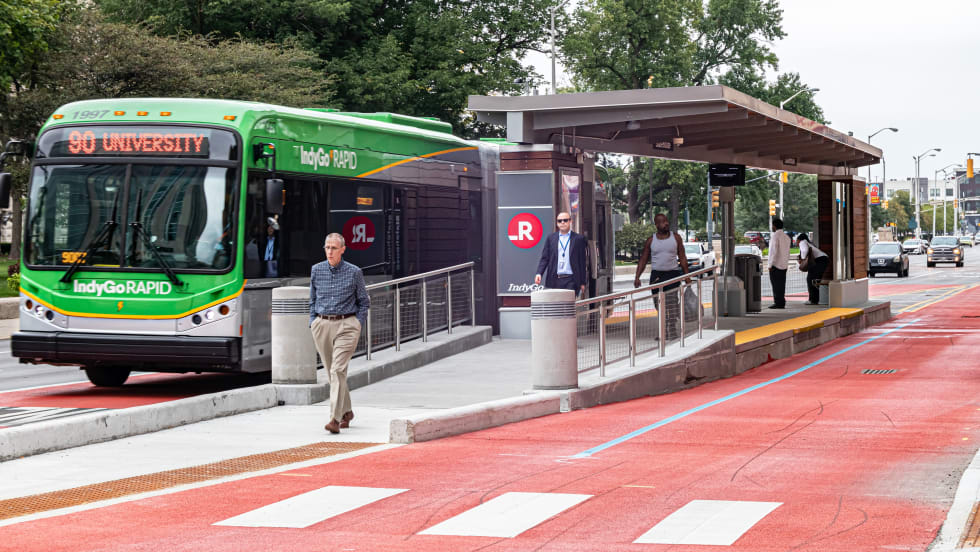
IndyGo, Cleveland RTA Expand Digital Fare Payment Options with Masabi
The new systems combine mobile apps, smart cards, and automatic fare capping to simplify payments, expand flexibility, and help riders access the lowest available fares.
Read More →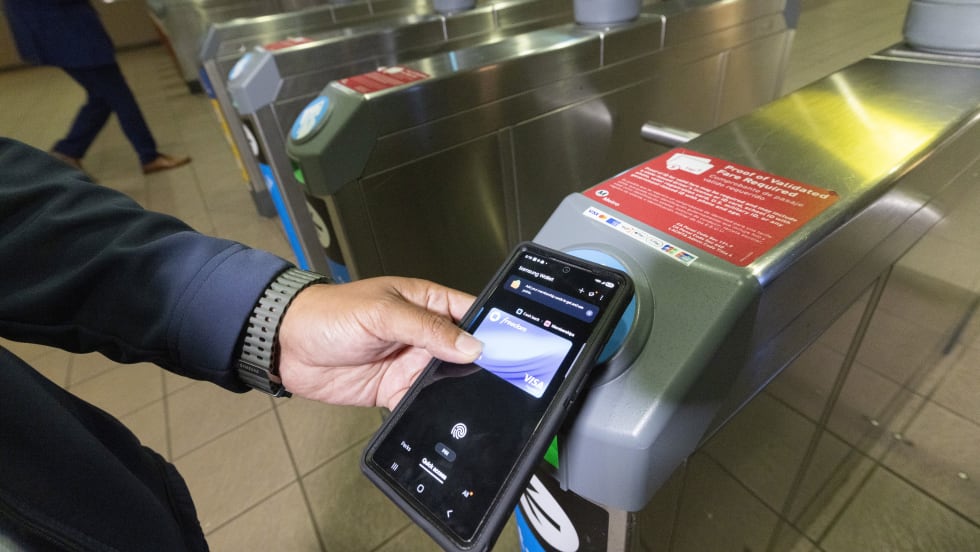
LA Metro Launches New Mobile App, Contactless Payment Options
Available on Metro and at 26 TAP-participating transit agencies, the system reduces waiting times, speeds boarding, and improves convenience systemwide, said the agency.
Read More →
Joshua Schank on Transportation Innovation, Risk, and the Future of Mobility
In this edition of METROspectives, the co-author of New Tricks for Old Bureaucracies, discusses lessons from launching LA Metro’s Office of Extraordinary Innovation, the challenges of advancing new mobility technologies, and much more.
Read More →