



Calif. agency adds 5 MCI Commuter Coaches
In the last few weeks Santa Clarita Transit staff has been testing all components of the new buses, which are fueld by CNG, and one-by-one placing them into service.

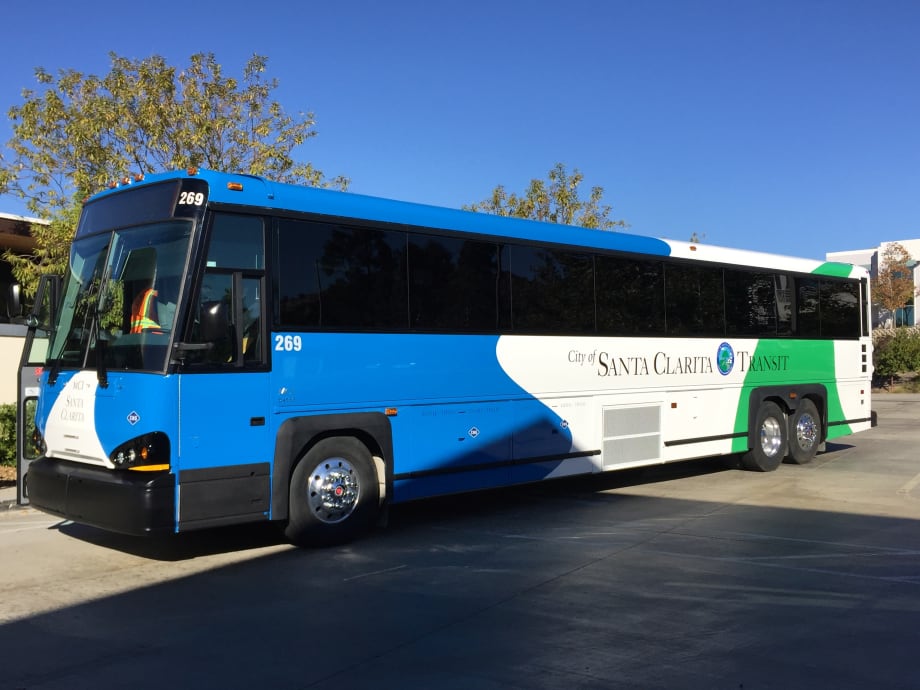
Over the past few weeks, Calif.’s Santa Clarita Transit has replaced five of its 13 diesel-powered commuter coaches with compressed natural gas (CNG) MCI Commuter Coaches — making it one of the first operators in the nation to utilize the alternative fuel for commuter buses.
CNG is nothing new to Santa Clarita Transit, which has been using CNG for their local routed buses since 2014. However, the limited power and range of the CNG vehicles restricted their use to local service only and was not a viable option for the commuter buses. That all changed when MCI introduced the more powerful Cummins 8.9-liter compressed natural gas engine to its line of commuter coaches in late 2014.
The timing of the new vehicle aligned with City Council’s January 2015 authorization of city staff to purchase five new commuter buses to replace Santa Clarita Transit’s oldest fleet vehicles. Given Santa Clarita Transit’s commitment to clean-burning compressed natural gas, and the fact that they already operate MCI’s 45-foot diesel coaches, the transition to CNG commuters was natural.
Following City Council approval, Santa Clarita Transit staff worked closely with MCI over the period of one year to create commuter coaches that met their specific needs. During the last two weeks of December 2015 the new buses left the factory in Pembina, N.D., and made the 2,000 mile journey to Santa Clarita.
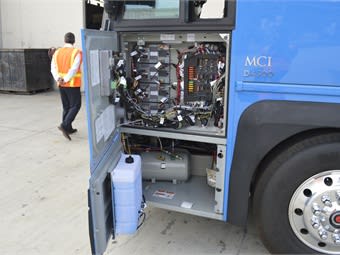
Since the arrival of the new buses, staff has been working tirelessly to get them road-ready. This includes completing California Highway Patrol safety inspections, relocation of fareboxes and other electronics from the old coaches, and driver training on the new vehicles. In the last few weeks Santa Clarita Transit staff has been testing all components of the new buses and one-by-one placing them into service.
In November 2015 City Council authorized staff to purchase an additional five commuter coaches. Staff is excited to further embrace the new CNG commuters, and is aiming to have a 100% alternative fuel fleet within the next 10 years.
More Bus
VIA, MBTA Reach Pre-Pandemic Ridership Milestones as Transit Use Climbs
VIA surpasses three million monthly trips for the first time since 2020, while the MBTA tops one million average weekday trips as both agencies report continued ridership growth.
What Transit Maintenance Facilities Should Know About Gas-Detection Placement
Proper gas-detector placement is critical to maintaining safety in transit maintenance facilities, requiring agencies to consider fleet fuel types, ventilation, shop operations, and ongoing equipment maintenance.

Improving Transit Safety and Reliability Through AI
Hayden AI’s Chief Growth Officer, Charley Territo, discusses how AI-powered camera enforcement is helping transit agencies keep bus lanes and stops clear, improve accessibility, and move from pilot programs to full-scale deployments.

Castro to Lead RTC of Southern Nevada and More in People Movement
In this edition, we also cover recent appointments and announcements at the STV, MCI, and more, showcasing the individuals helping to shape the future of transportation.

Study: Denver RTD Generates $2.1 Billion in Annual Economic Activity
An economic impact study finds the agency supports approximately 17,500 jobs, delivers $1.6 billion in annual community and mobility benefits, and generates $2.42 in economic value for every dollar invested.

Mark Aesch Nominated to Lead Federal Transit Administration
The former Rochester transit chief and TransPro founder, who has also contributed to METRO Magazine, brings decades of industry experience and a focus on performance, accountability, and financial sustainability to the nomination.

Pierce Transit Moves to Expand Fleet Following Proposition 1 Approval
The agency authorized the purchase or refurbishment of up to 60 buses to support a 47% service expansion, as voters nationwide approved billions in new transit funding.

Transit Expands Agency Partnerships, Reaching 200 Official App Partners
COO Jake Sion discusses Transit’s growth, the success of its Transit Royale program, and how technology is helping agencies improve the rider experience.
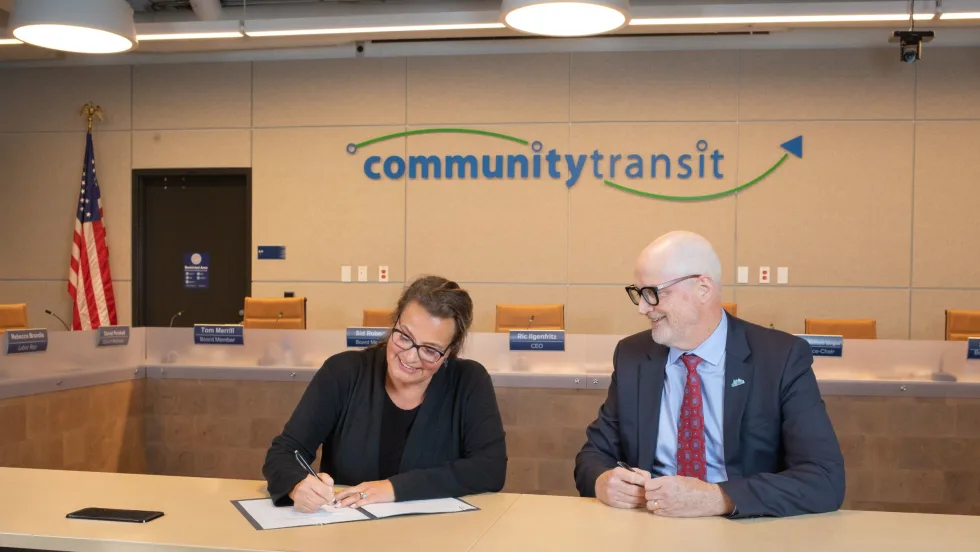
Everett Transit, Community Transit Approve Consolidation of Services
The agreement will bring Everett Transit into Community Transit’s network in April 2027, with plans to increase bus service by 50% by 2031 and expand regional connections.
Brian Dickson on Building Stronger, More Resilient Transportation Organizations
Bus Business Consultants Founder Brian Dickson discusses the leadership principles, operational discipline, and strategic planning that separate transportation companies positioned for long-term success from those stuck in survival mode.