




Related: Metra seeks firm to manufacture up to 367 new railcars
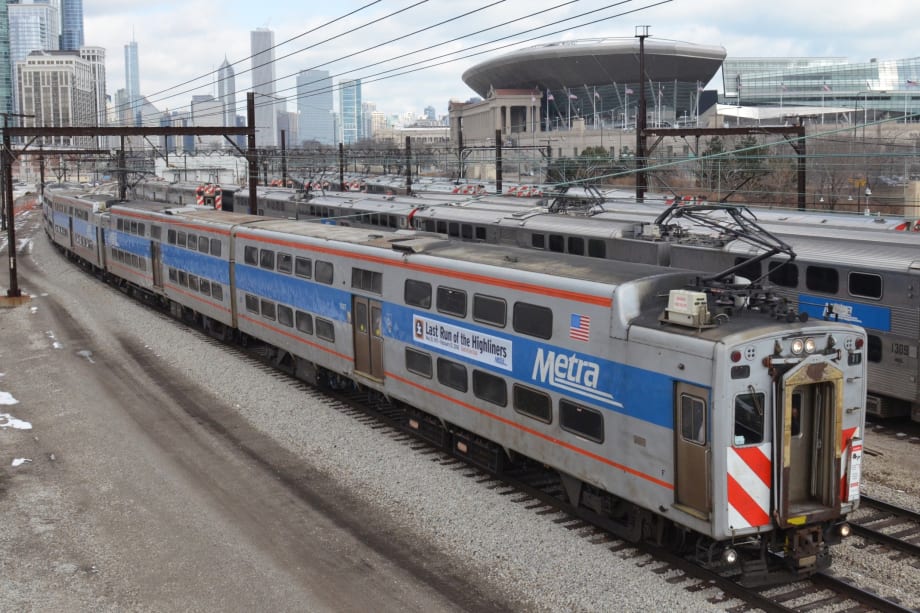
Metra Electric's original Highliner railcars officially retired
The railcars began serving customers on the Illinois Central, now the Metra Electric Line, on May 31, 1971. Federal funds covered two-thirds of the $40 million cost and the IC paid the rest.
February 12, 2016
2 min to read

Forty-four years after the debut of the original Highliner cars on the Metra Electric Line, the last six of them carried their final passengers on Friday from Chicago to University Park. State Senator Martin Sandoval, State Representative Al Riley, Metra Executive Director/CEO Don Orseno, members of the Metra Board of Directors, and other guests took part in the official send-off from Millennium Station.
“These cars have served us well and have been a central part of the history of the Illinois Central and Metra’s Electric service,” said Orseno. “But while letting them go is somewhat bittersweet, it’s time. The new Highliners enable Metra to provide our customers with more reliable service, better amenities and reduced maintenance costs.”
The original Highliner cars began serving customers on the Illinois Central (IC), now the Metra Electric Line, on May 31, 1971. The cars were purchased in two separate orders. The first 130 cars were purchased from the St. Louis Car Co. by the newly formed Chicago South Suburban Mass Transit District and leased back to the IC. Federal funds covered two-thirds of the $40 million cost and the IC paid the rest.
In 1978-1979, the newly formed Regional Transportation Authority (RTA) bought the second order of 36 cars from Bombardier Inc. for $28 million. Metra took ownership of the railroad and the Highliners in 1987, rehabbing the cars and changing the color scheme from orange and brown to silver and blue.
The original Highliners offered air-conditioning to customers accustomed to riding in cars with open windows during the summer months, and cushioned seats rather than the wicker benches provided in the 1920s-era cars they replaced. However, the original Highliners did not have onboard restrooms and their carbon steel construction proved less durable than the stainless steel cars that became the industry standard.
The push to replace the original Highliners with more modern and durable cars began with the delivery of the first 26 new generation stainless steel Highliner cars in 2006, purchased with $76 million in funding provided through the state’s Illinois FIRST bond program. In August 2010, the Metra Board approved a contract with Sumitomo Corp of America/Nippon Sharyo to purchase 160 more Highliner cars. Funding for this purchase totaling $585 million was provided through another state bond program.
The new cars are propelled by alternating current (AC), which supplies more power and requires less maintenance that the direct current (DC) propulsion used by the original Highliners. About half of the new Highliner cars are equipped with restrooms and every train on the Metra Electric now has at least one bathroom.
More Rail

Biz Briefs: STV teams with Amtrak, Motorcoach Operators Boost Fleet and Land Contracts, and More
From manufacturers and suppliers to transit agencies and motorcoach operators, these updates offer a snapshot of the projects, partnerships and business moves driving the industry forward.
Read More →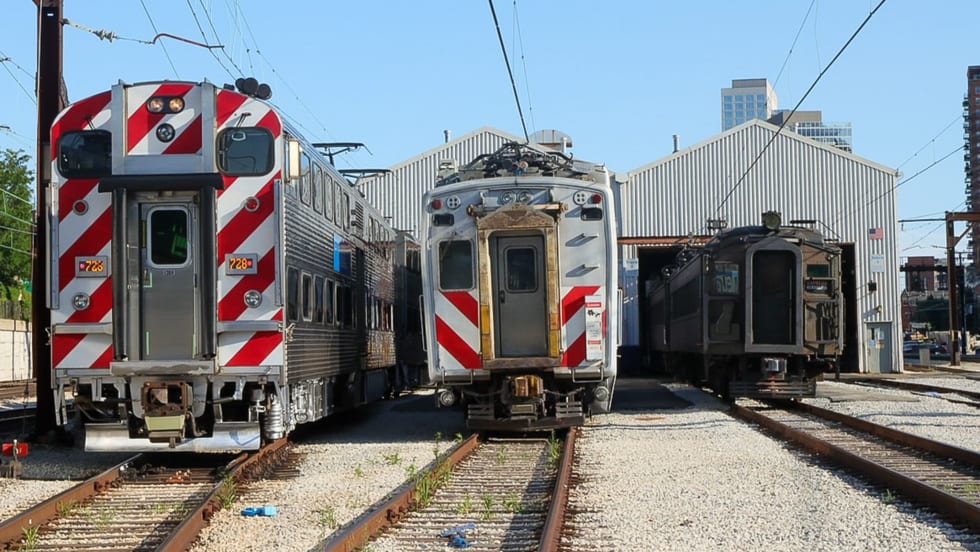
Metra Celebrates 100 Years of Electric Rail, Looks to the Future
The event was also a celebration of recent reforms to public transportation in the Chicago area, changes that could be as transformative in the future as the major civic achievement a century ago, said officials.
Read More →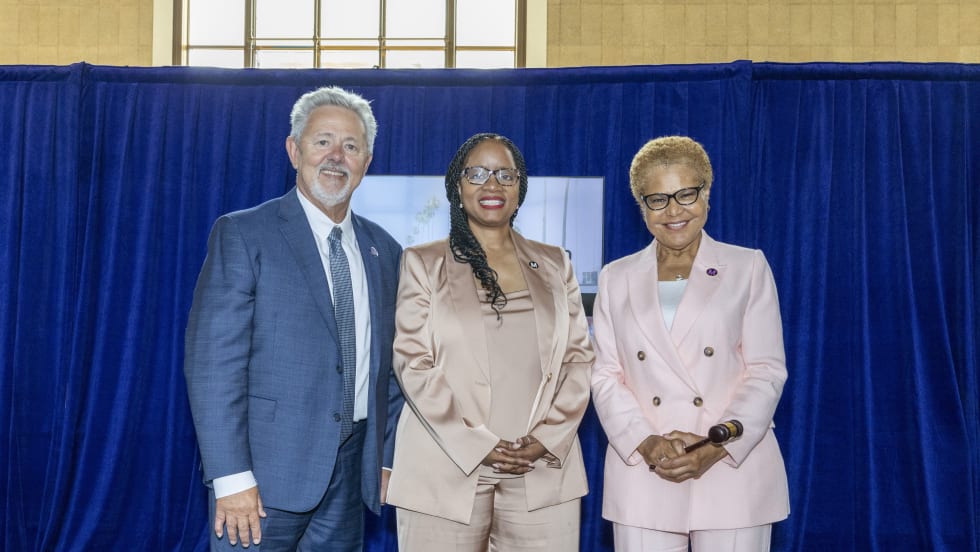
LA Metro Marks Banner Year, Sets Ambitious Goals for New Fiscal Year
Incoming LA Metro Board Chair and Los Angeles Mayor Karen Bass joined outgoing Board Chair Fernando Dutra and LA Metro CEO Stephanie Wiggins to review accomplishments from fiscal year 2026, which included the opening of new rail extensions, advancement of major transit projects, expanded safety programs, and new rider amenities.
Read More →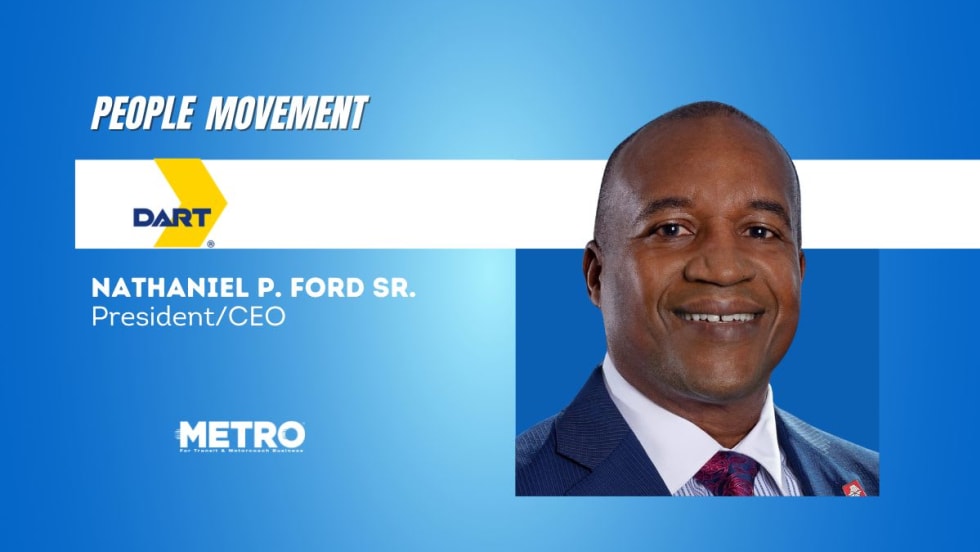
DART Taps Nathaniel P. Ford Sr. as Next President/CEO
Since 2012, Ford has served as the CEO of the Jacksonville Transportation Authority
Read More →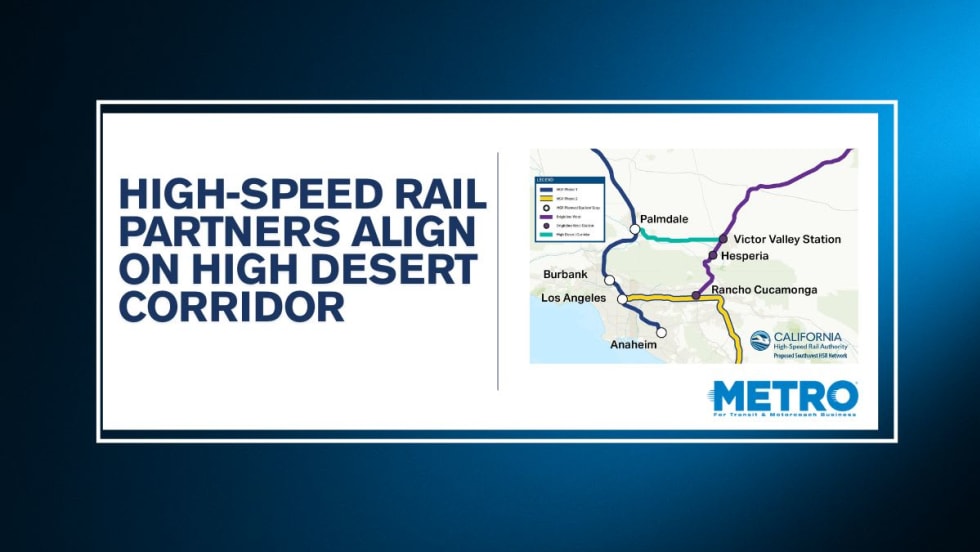
California High-Speed Rail Authority Signs MOU to Advance High Desert Corridor
The agreement deepens collaboration between the California High-Speed Rail Authority and the High Desert Corridor Joint Powers Agency, supporting design integration, cost savings, and faster delivery of a key Southern California rail link.
Read More →
Building the Next Generation of Transit Technology
In this edition of METROspectives, Luminator CEO Magnus Friberg discusses the company's transformation, the growing role of AI and software, and what's next for transit technology.
Read More →
How Data, Strategy, and Community Engagement Are Reshaping Transit
In this edition of METROspectives, strada360 CEO Steve Lassey discusses how transit agencies can better align planning with operations, leverage data to improve decision-making, and build public trust as they prepare for the future of mobility.
Read More →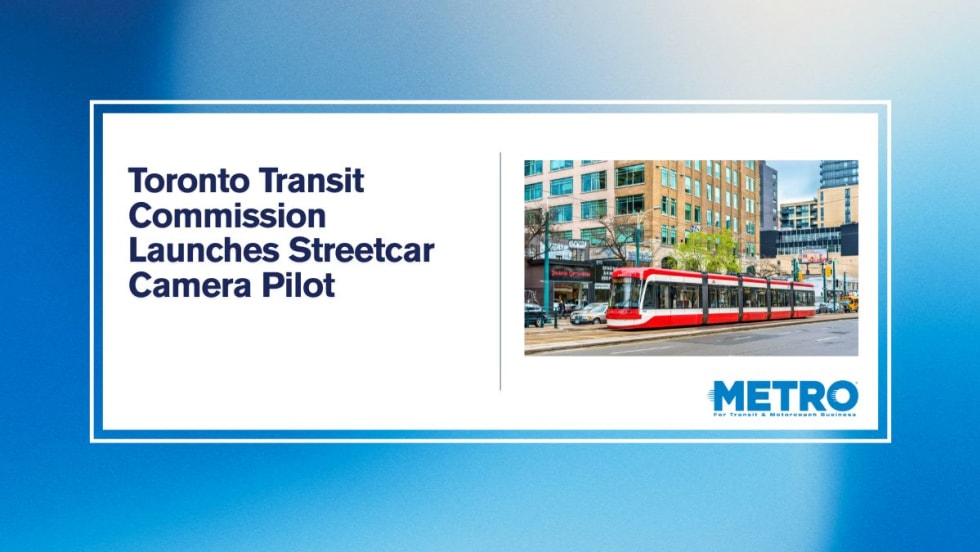
TTC Launches Camera Pilot to Curb Illegal Passing of Streetcars
During the pilot, the cameras will measure how often illegal streetcar passing occurs and test the technology's reliability for future automated enforcement.
Read More →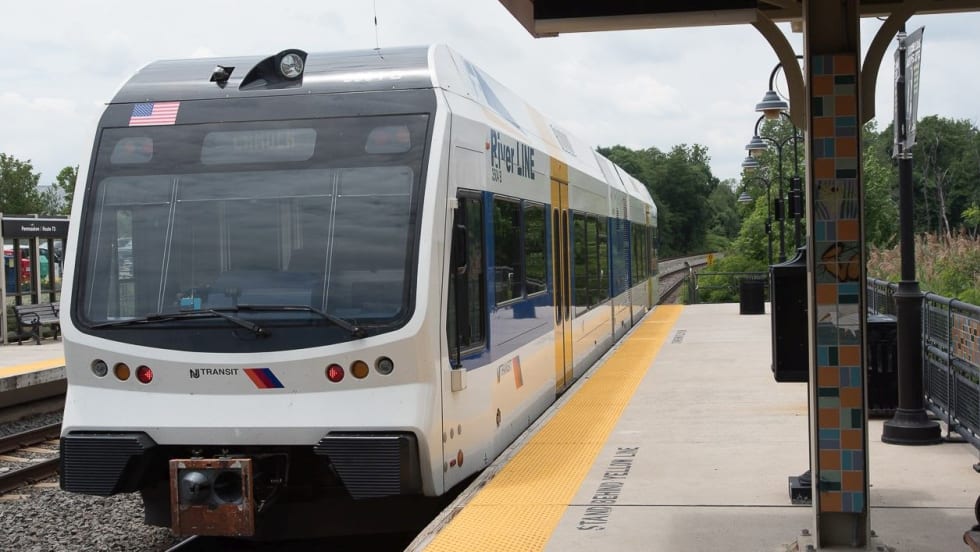
NJ TRANSIT Secures Capital Funding, Adopts FY2027 Budget
The budgets continue investments in infrastructure and equipment to maintain the system in a state of good repair and enhance the overall customer experience.
Read More →
Biz Briefs: Masabi Teams with St. Louis Metro and More
In METRO's latest installment, we take a look at recent news from Transdev, Hitachi, and more partnerships making headlines across the transportation sector.
Read More →