



WMATA's rail ridership up 20K trips on weekdays in 2019
The agency reports that customer-focused improvements implemented last year contributed to the increase in rail ridership.

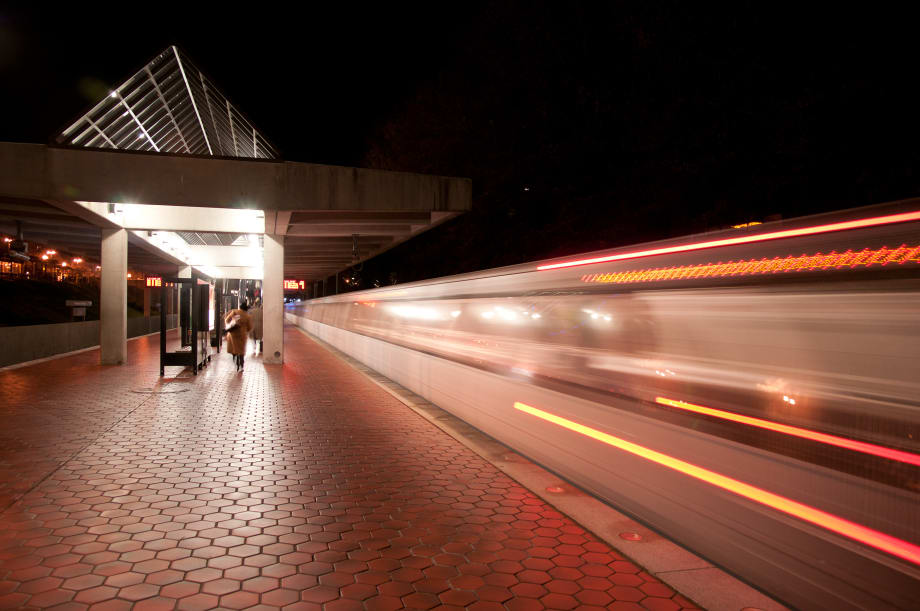
WMATA's total rail ridership was 182 million trips, compared to 175 million in 2018, a net increase of seven million trips.
Larry Levine

Ridership on the Washington Metropolitan Area Transit Authority’s (WMATA) Metrorail system posted a 4% increase in passenger trips for the 2019 calendar year, ending a downward trend that lasted most of the prior decade. Total rail ridership was 182 million trips, compared to 175 million in 2018, a net increase of seven million trips, reflecting increasing customer confidence in WMATA’s reliability and on-time performance.
Ridership increased across all days of the week, including a 3.3% increase in weekday travel — the equivalent of 20,000 additional trips per commuting day. Metrorail’s average weekday ridership now stands at 626,000.
Notably, weekends accounted for a quarter of overall rail ridership growth, with average Saturday ridership increasing 9.4% to 264,000 trips, and average Sunday ridership increasing 6.5% to 168,000 trips.
Meanwhile, customer on-time performance improved to its highest level in a decade, with 89.8% of riders arriving on time on weekdays. The region’s capital investment in WMATA is yielding dividends, allowing for the replacement of half of the agency’s entire fleet — more than 500 of the system’s oldest and least reliable railcars — with an entirely new generation of state-of-the-art 7000-series trains, according the agency. As a result, the average age of WMATA’s rail fleet has been cut in half in just five years, from roughly 25 years in 2015 to under 13 years today. Railcars have an expected service life of about 40 years.
The agency reports that customer-focused improvements implemented last year contributed to the increase in rail ridership. The changes included extending Yellow Line service to Greenbelt, extending all Red Line trips to the ends of the line, offering new money-saving pass options, and doubling down on Rush Hour Promise, WMATA’s first-of-its-kind service guarantee that automatically gives customers back their fare if their rush-hour trip on Metrorail is delayed more than 10 minutes.
Last year’s rail ridership gains came amid planned improvement projects that, while essential, temporarily reduced ridership, including the summer-long closure of six stations south of National Airport for platform reconstruction. The federal government shutdown that extended through most of January also had a negative impact, reducing ridership by an estimated 100,000 trips per weekday.
Metrobus ridership declined 3.5% as traffic congestion resulted in longer travel times and a drop in service reliability. WMATA is focused on finding regional solutions to make bus service more competitive with other travel options and is working to implement recommendations of the Bus Transformation Project with our jurisdictional partners.
More Rail

Biz Briefs: STV teams with Amtrak, Motorcoach Operators Boost Fleet and Land Contracts, and More
From manufacturers and suppliers to transit agencies and motorcoach operators, these updates offer a snapshot of the projects, partnerships and business moves driving the industry forward.
Read More →
Metra Celebrates 100 Years of Electric Rail, Looks to the Future
The event was also a celebration of recent reforms to public transportation in the Chicago area, changes that could be as transformative in the future as the major civic achievement a century ago, said officials.
Read More →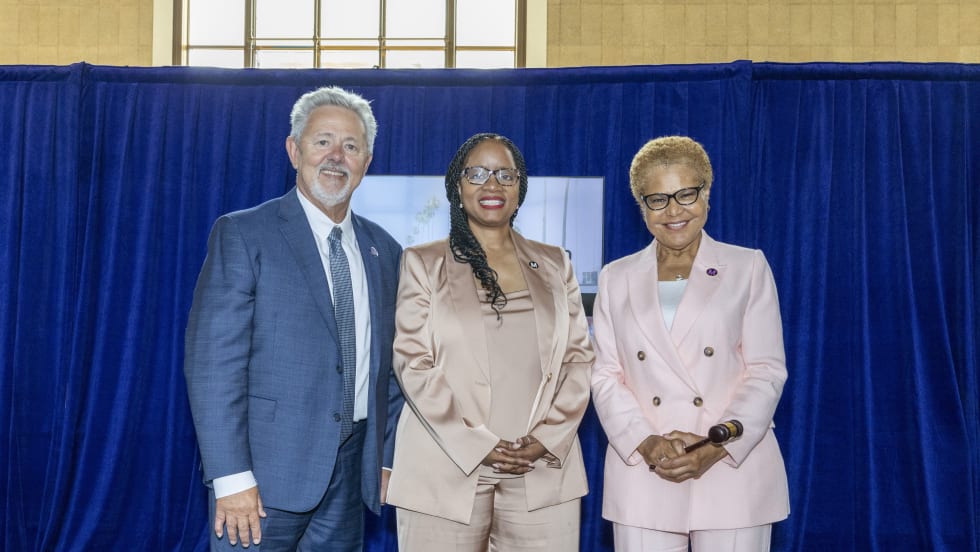
LA Metro Marks Banner Year, Sets Ambitious Goals for New Fiscal Year
Incoming LA Metro Board Chair and Los Angeles Mayor Karen Bass joined outgoing Board Chair Fernando Dutra and LA Metro CEO Stephanie Wiggins to review accomplishments from fiscal year 2026, which included the opening of new rail extensions, advancement of major transit projects, expanded safety programs, and new rider amenities.
Read More →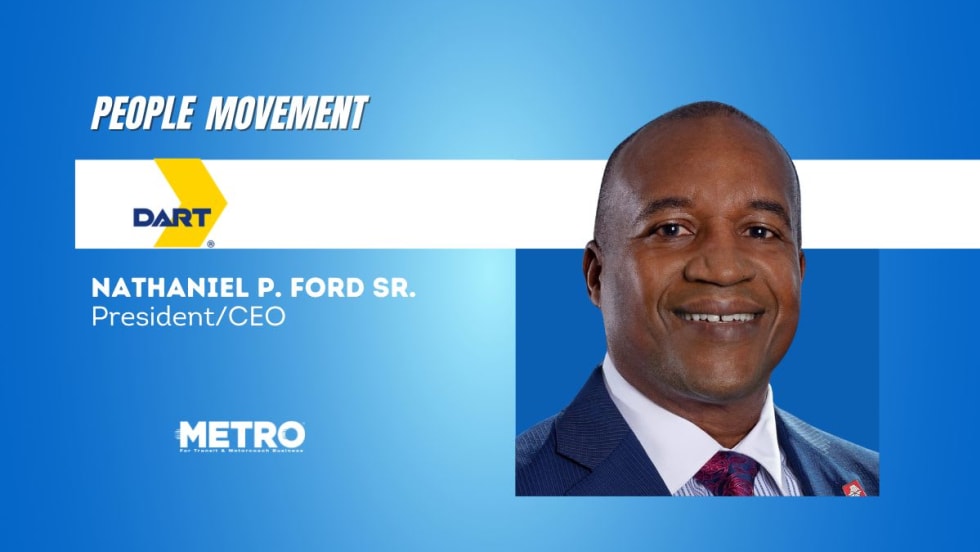
DART Taps Nathaniel P. Ford Sr. as Next President/CEO
Since 2012, Ford has served as the CEO of the Jacksonville Transportation Authority
Read More →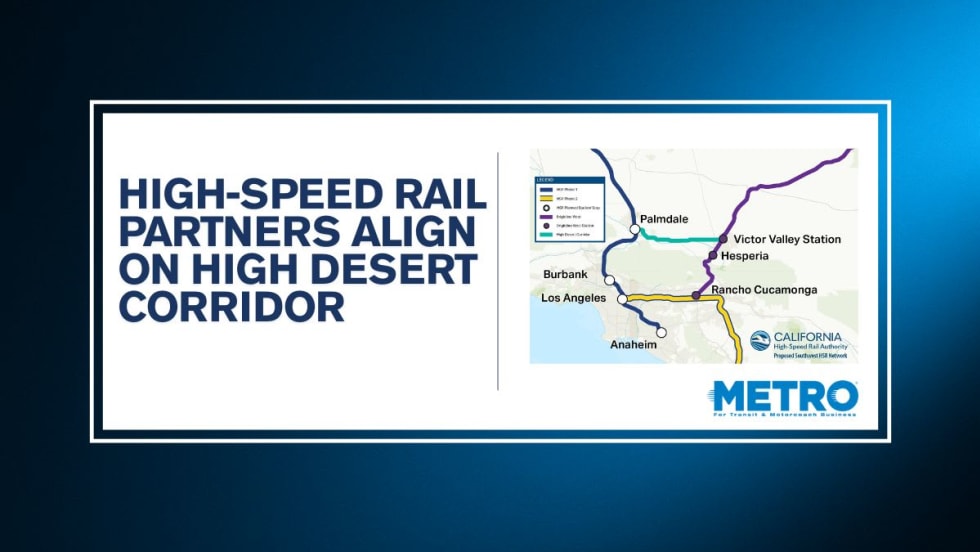
California High-Speed Rail Authority Signs MOU to Advance High Desert Corridor
The agreement deepens collaboration between the California High-Speed Rail Authority and the High Desert Corridor Joint Powers Agency, supporting design integration, cost savings, and faster delivery of a key Southern California rail link.
Read More →
Building the Next Generation of Transit Technology
In this edition of METROspectives, Luminator CEO Magnus Friberg discusses the company's transformation, the growing role of AI and software, and what's next for transit technology.
Read More →
How Data, Strategy, and Community Engagement Are Reshaping Transit
In this edition of METROspectives, strada360 CEO Steve Lassey discusses how transit agencies can better align planning with operations, leverage data to improve decision-making, and build public trust as they prepare for the future of mobility.
Read More →
TTC Launches Camera Pilot to Curb Illegal Passing of Streetcars
During the pilot, the cameras will measure how often illegal streetcar passing occurs and test the technology's reliability for future automated enforcement.
Read More →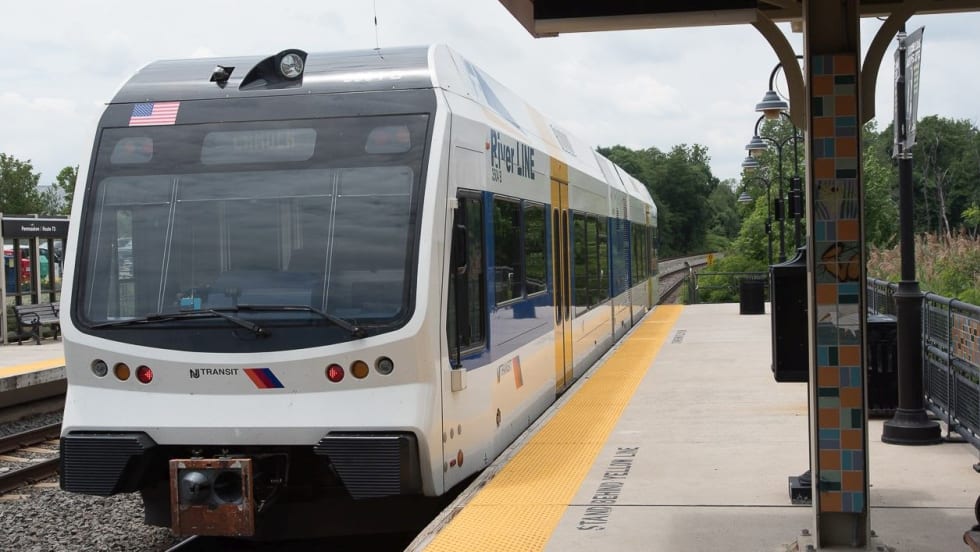
NJ TRANSIT Secures Capital Funding, Adopts FY2027 Budget
The budgets continue investments in infrastructure and equipment to maintain the system in a state of good repair and enhance the overall customer experience.
Read More →
Biz Briefs: Masabi Teams with St. Louis Metro and More
In METRO's latest installment, we take a look at recent news from Transdev, Hitachi, and more partnerships making headlines across the transportation sector.
Read More →