The National Highway Traffic Safety Administration (NHTSA) released preliminary estimates for the Fatality Analysis Reporting System (FARS) 2019 data on highway crashes showing a continued decline in traffic fatalities. The nation saw a decline in traffic deaths during 2018 and 2017, and these newest estimates suggest a continuing decline in traffic-related deaths.
Fatalities decreased in most major traffic safety categories:
Ad Loading...
Drivers (down 3%)
Passengers (down 4%)
Motorcyclists (down 1%)
Pedestrians (down 2%)
Pedalcyclists (down 3%)
Ad Loading...
A statistical projection of traffic fatalities for 2019 shows that an estimated 36,120 people died in motor vehicle traffic crashes. This represents an estimated decrease of about 440 (down 1.2%) from the reported 36,560 fatalities in 2018, even though Vehicle Miles Traveled (VMT) increased by 0.9%. As a result, the fatality rate for 2019 was 1.10 fatalities per 100 million VMT, down from 1.13 fatalities per 100 million VMT in 2018. If these estimates are reflected in the final data, the fatality rate per 100 million VMT would be the second lowest since NHTSA started recording fatal crash data.
The new data also shows that nine out of 10 NHTSA regions are estimated to have decreases in traffic-related fatalities in 2019.
Fatalities in crashes involving at least one large truck are projected to increase slightly by 1%. The FARS data do not distinguish whether trucks are privately owned or not. FARS counts or estimates any large truck (gross vehicle weight rating > 10,000 lbs.) on a public highway involved in crashes, including large pickup trucks.
Last year, the Department established an intermodal truck and bus working group that focuses on increasing safety and reducing truck and bus-related crashes.
NHTSA has accelerated its efforts to continue the decline of traffic fatalities. In February, NHTSA released $562 million in grants for highway safety programs to the Offices of Highway Safety in all 50 states, the District of Columbia, U.S. territories, and the U.S. Department of the Interior’s Bureau of Indian Affairs. The grants were issued to help state and local law enforcement agencies enhance their traffic safety efforts to combat risky driving behaviors.
Ad Loading...
The fatality counts for 2018 and 2019 and the ensuing percentage change from 2018 to 2019 will be further revised as the final file for 2018 and the annual reporting file for 2019 become available later this year. These estimates may be further refined when the projections for the first quarter of 2020 are released in late spring of 2020.
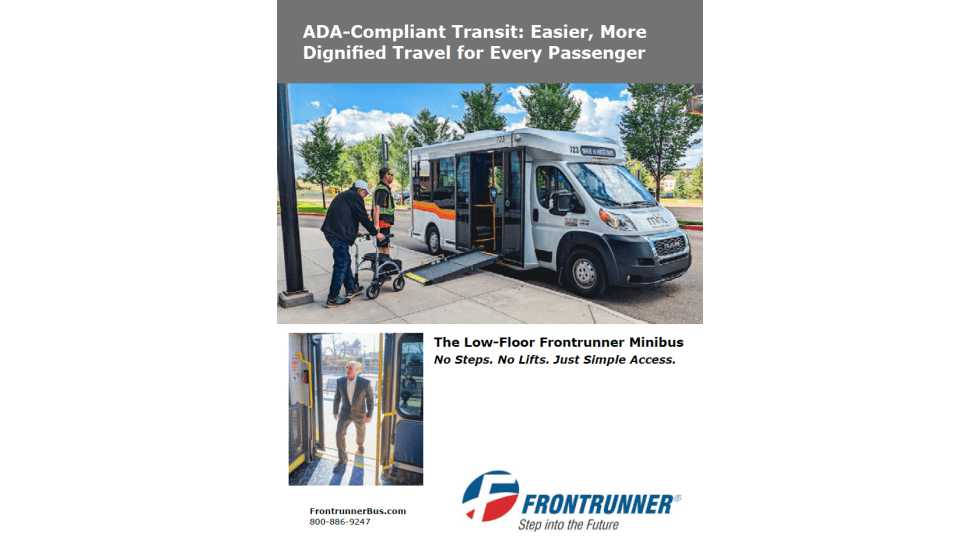
Today’s riders—and the communities you serve—expect more from public transit. While ADA compliance is required, leading transit agencies know that true accessibility also means delivering dignity, efficiency, and a better rider experience. This whitepaper reveals why forward thinking agencies nationwide choose the Low Floor Frontrunner as their first choice for ADA compliant vehicles—setting a new standard with passenger first design, faster boarding, improved safety, and unmatched operational performance.
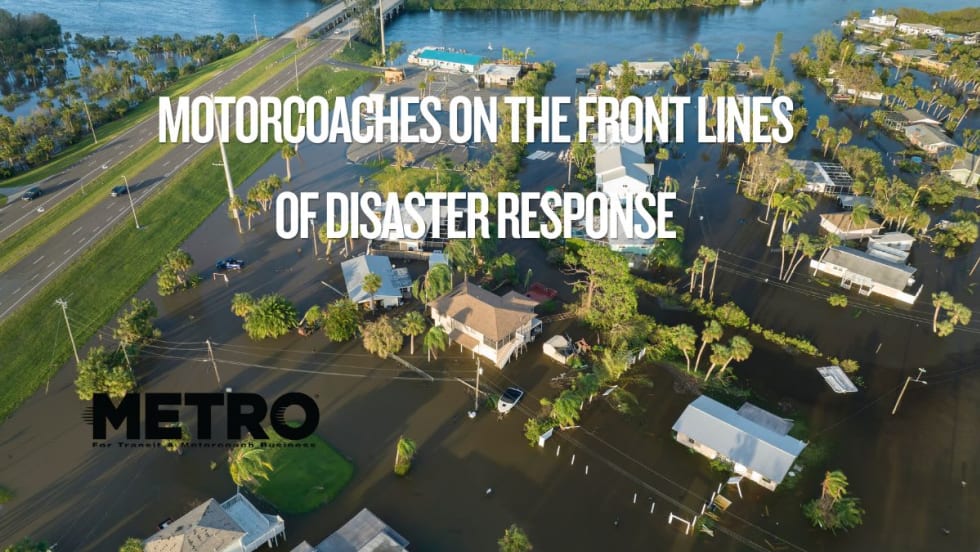
Fred Ferguson, president and CEO of the American Bus Association (ABA), discussed how the industry prepares for emergencies, the growing recognition of motorcoaches as critical infrastructure, and steps operators can take to strengthen disaster readiness.
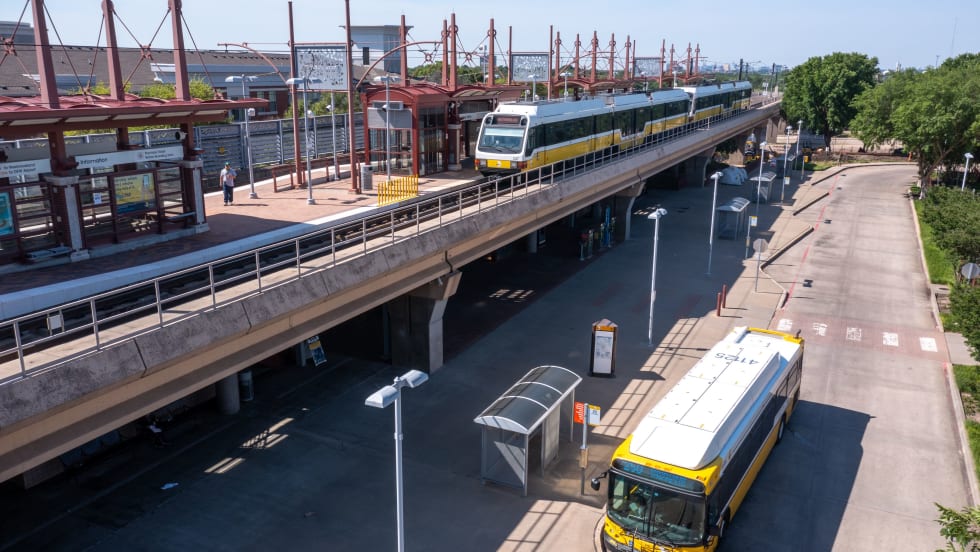
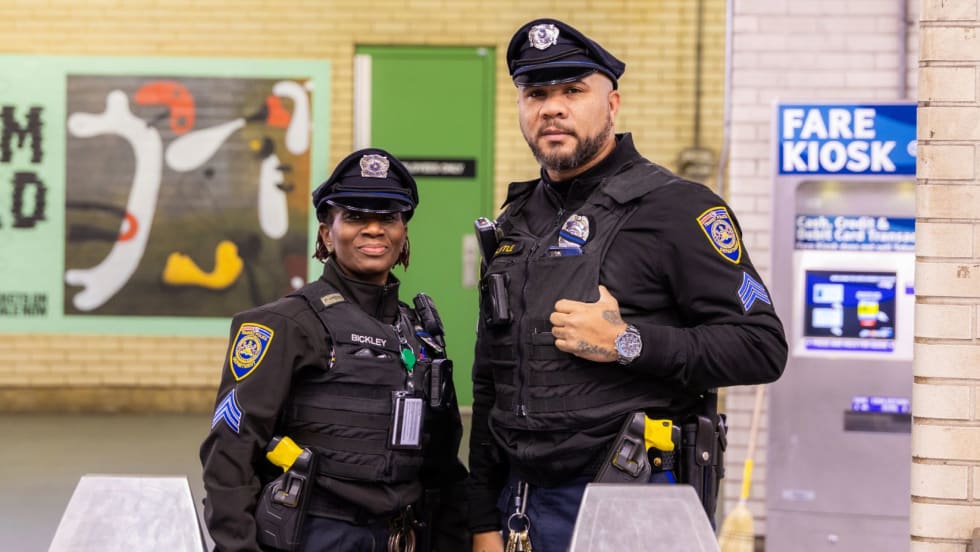
The approved contract modification will increase funding for transit security officer services to a total not-to-exceed amount of $32.1 million, ensuring a continued and visible security presence across DART’s buses, trains, stations, and facilities.
The Siemens CBTC System, Trainguard MT, in compliance with New York Subway Interoperability Interface Specifications, enables trains to run as close as 90 seconds apart, using next-generation signaling and continuous communication to keep operations moving seamlessly.
According to the new quarterly data, there were double-digit reductions in five of the eight serious crime categories, including aggravated assaults and robberies.
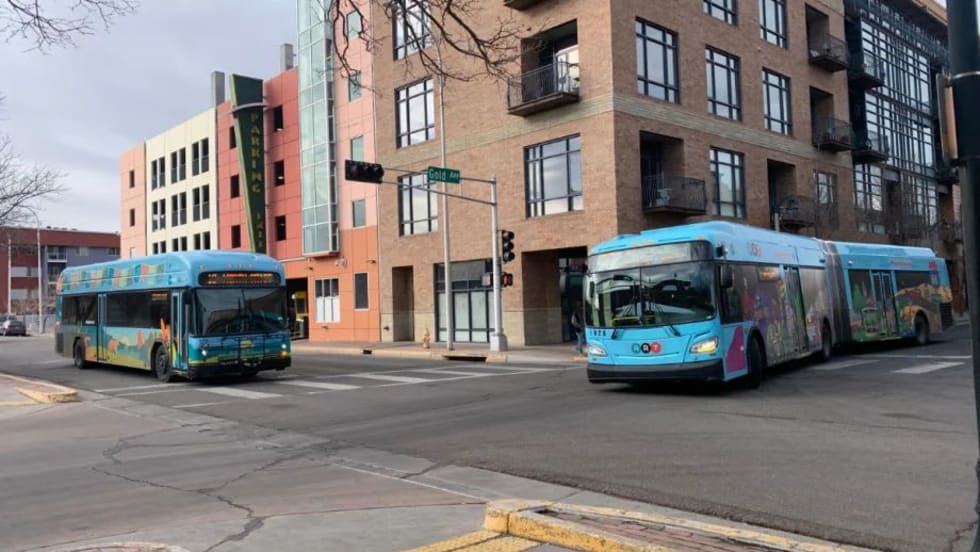
The project, finalized on February 12, provides the city with two different configurations of high-definition cameras to outfit 16 buses in the Pretzel City Area Transit fleet.
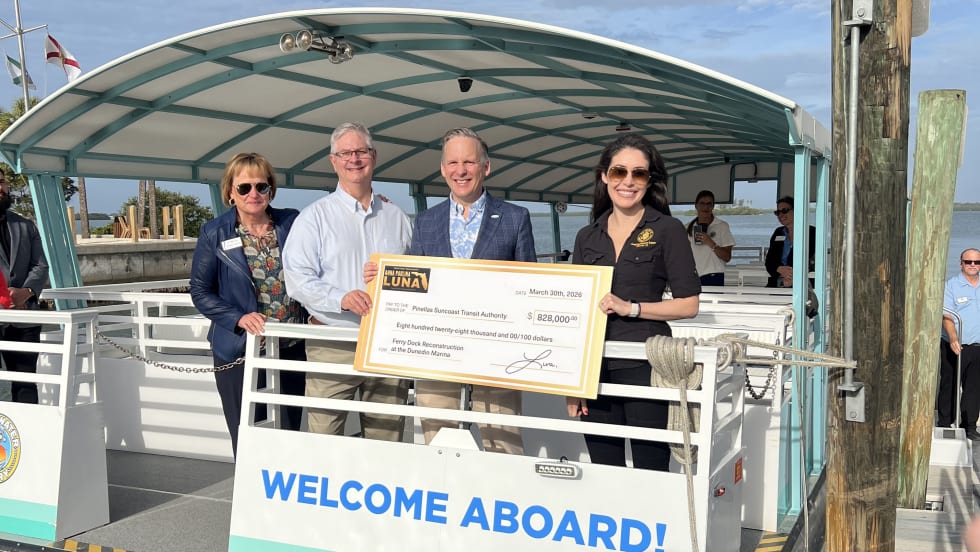
The funds will specifically reconstruct the portion of the pier used by PSTA’s Clearwater Ferry, creating a permanent dock for the ferry service, which serves as an important transportation and tourism link to other Pinellas County communities.