



NTSB releases preliminary report on fatal S.C. bus crash
The Dec. 17 crash resulted in two fatalities and multiple injuries.



The National Transportation Safety Board released a preliminary report for its ongoing investigation of the Dec. 17 crash involving a SUV and 14-passenger coach bus in South Carolina.
A 2015 Chevrolet Equinox sport utility vehicle driven by a 53-year-old driver, was traveling east on US Highway 76 in Belton, South Carolina, when it entered an approximately three-degree righthand curve, departed the eastbound travel lane, and crossed into the westbound lane, colliding with the front left corner a 2009 Ford E350 14-passenger medium-size bus. The bus, carrying seven passengers, was operated by the Anderson County Disabilities and Special Needs Board with a 27‑year‑old driver.
The preliminary report states the driver of the SUV had been swerving completely across both lanes from shoulder to shoulder before striking the bus. According to data from the SUV’s airbag control module, the driver was not wearing a seat belt. She was ejected from the SUV and fatally injured during the crash sequence.
All occupants of the bus wore restraints. However, as a result of the crash, one lap-belted passenger seated behind the driver was partially ejected and fatally injured. The bus driver and the six remaining passengers sustained minor to serious injuries.
While the investigation continues to determine probable cause, the crash does demonstrate why Strengthen Occupant Protection remains on the NTSB 2019-2020 Most Wanted List of Transportation Safety Improvements, according to the agency.
The information contained in the report is preliminary and subject to change. As such, no conclusions regarding probable cause or contributing factors should be made from the information in the preliminary report. The crash remains under investigation and analysis of the crash facts, along with conclusions and a determination of probable cause, will come at a later date when the final report is completed.
The NTSB is conducting its safety investigation alongside the South Carolina Highway Patrol, which is conducting a separate, parallel investigation. To view the preliminary report, click here.
More Security and Safety

Transit Agencies Highlight Safety Gains at National Summit
Leaders from 15 major transit systems shared crime-reduction results and safety initiatives while discussing the role of continued federal support.
Read More →
DART Launches Major Security, Fare Enforcement Initiative
The 90-day demonstration will deploy coordinated security teams at five light rail stations while testing controlled access and gathering data to guide future investments.
Read More →
RTD Launches NextRide App to Consolidate Trip Planning, Fares, Security Reporting
The app expands on RTD’s existing NextRide web application and allows customers to view real-time vehicle locations and service alerts, purchase and store digital fares, and access customer support.
Read More →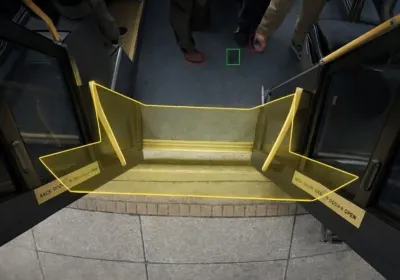

TAPTCO Updates OSHA Compliance Training for Transit Maintenance Operations
The revamped program addresses 26 OSHA standards for maintenance facilities, with TAPTCO pointing to training, documentation, and everyday shop hazards as continuing challenges for transit operations.
Read More →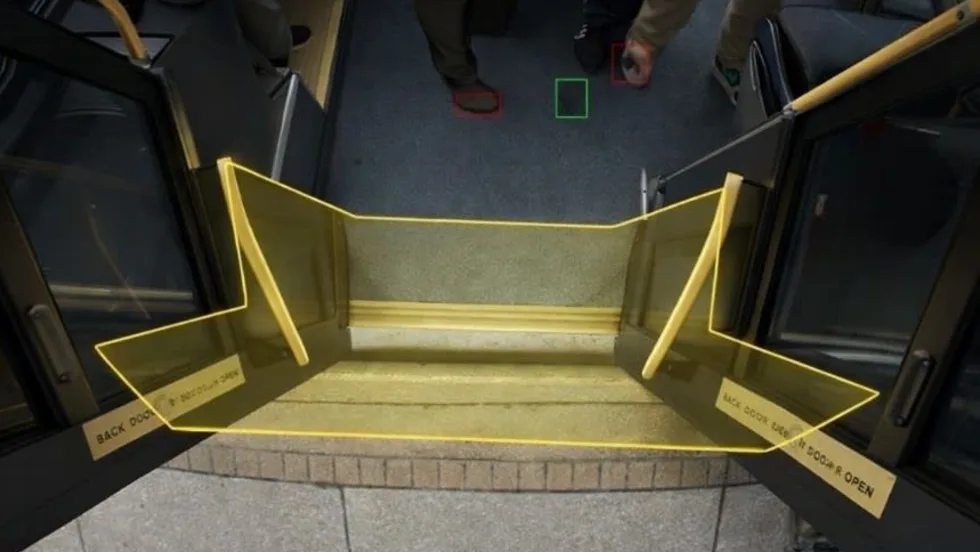
How VaporVision Adds Value to Transit Door Systems
Wabtec engineers explain how the system improves doorway detection, strengthens diagnostics and gives transit agencies and OEMs greater operating flexibility.
Read More →
FRA Announces $5.3B in Rail Investments, Including $2B for Amtrak
Funding will support grade-crossing improvements, infrastructure upgrades, and new Amtrak equipment in 23 states.
Read More →
Chicago, Maryland Expand Non-Law-Enforcement Safety, Rider Support
The CTA and MTA are launching new programs aimed at de-escalation, crisis response, rider assistance, and greater transparency.
Read More →
LA Metro, City of West Hollywood, and Partners Advance Smarter Bus Lane Enforcement
The award-winning partnership combines AI-powered detection with human oversight to improve bus reliability, accessibility, and enforcement efficiency.
Read More →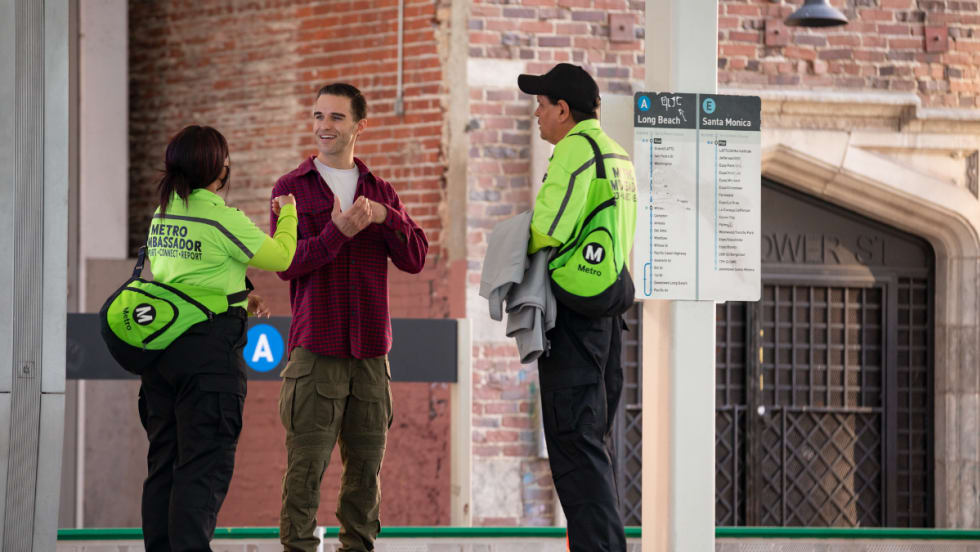
LA Metro Reports 57% Decline in Homelessness on Transit System Since 2024
The agency's latest homelessness count offers new data on how care-based services and cross-sector partnerships can complement traditional transit security strategies.
Read More →
FTA Launches 'Transit Moves America' Dashboard to Highlight Agency Safety and Performance
The online dashboard transforms National Transit Database information into a public-facing resource that allows users to compare transit agencies on key operational and safety metrics.
Read More →