



NJ Transit Selects 4 Companies To Develop High-Tech COVID-19 Solutions
Solutions to be tested include air purification and antimicrobial light to combat COVID-19.
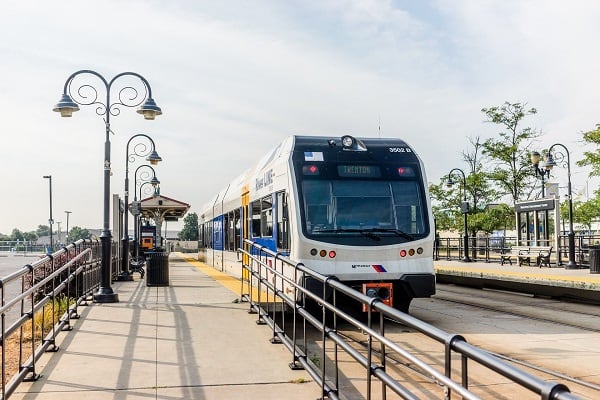
Since the onset of the pandemic, NJ TRANSIT has leveraged the latest technology to protect customers and employees, including contactless fare payment options and conducting a study on the use of ultraviolet-c for disinfecting buses.
NJ Transit
NJ TRANSIT has selected four companies to test pilot technology to improve the health and safety of customers and employees during the COVID-19 pandemic. These four companies were selected from a pool of eight finalists after a global search as part of the COVID-19 Response Challenge issued by Transit Tech Lab earlier this year.
“This group of companies, and the technologies they developed, reveal the tremendous promise of the Transit Innovation Partnership – especially today, as transit agencies around the world work to combat the COVID-19 pandemic,” said NJ TRANSIT President & CEO Kevin Corbett. “These technologies have the potential to join all the innovative efforts already underway at NJ TRANSIT to fight COVID-19."
The following companies will participate in a multi- week pilot testing program with NJ TRANSIT:
Vyv: uses proprietary LED antimicrobial light to reduce bacteria/microbes from surfaces. This technology will be tested on an Access Link paratransit minibus, a local transit bus, and within common areas throughout NJ TRANSIT corporate buildings (i.e. elevators, restrooms).
Knorr Merak: uses a three-stage air filtration and purification system to mitigate COVID-19. The air filtration technology will be piloted on a light rail car and a passenger rail car.
Piper: provides video analytics and collects real time passenger counts from trains and platforms for integration with mobile apps. NJ TRANSIT is investigating the implementation of this technology on the River LINE. This can also be used to report on time performance.
Strongarm: develops wearable technology that emits physical distancing alerts and can be used to collect data for contact tracing. The proof of concept for this technology will be a select set of floors in NJ TRANSIT Headquarters at 1 Penn Plaza in Newark.
After testing is complete, solutions that have proven to be successful may be chosen for an expanded year-long pilot deployment.
The COVID-19 Response Challenge was launched in July by the Transit Tech Lab with five participating agencies — NJ TRANSIT, Port Authority of New York and New Jersey, Metropolitan Transportation Authority, New York City Department of Transportation, and the NYC Dept. of Education. The Transit Tech Lab is a program of the Transit Innovation Partnership, a public-private sector initiative created to improve public transit.
Since the onset of the pandemic, NJ TRANSIT has leveraged the latest technology to protect customers and employees. Examples of these solutions include a study to explore the use of ultraviolet-c (UVC) for disinfecting the agency’s bus fleet; a new feature available on the agency’s mobile app which allows customers to report and view capacity levels on buses and trains; and the expansion of contactless fare payment options.
More Technology
ETA CEO John Maglio on Transit Technology, Innovation, and Building Agency Trust
ETA founder and CEO John Maglio explores the evolution of transit technology, the importance of reliable systems, and how stronger partnerships can help agencies improve operations and the passenger experience.
Read More →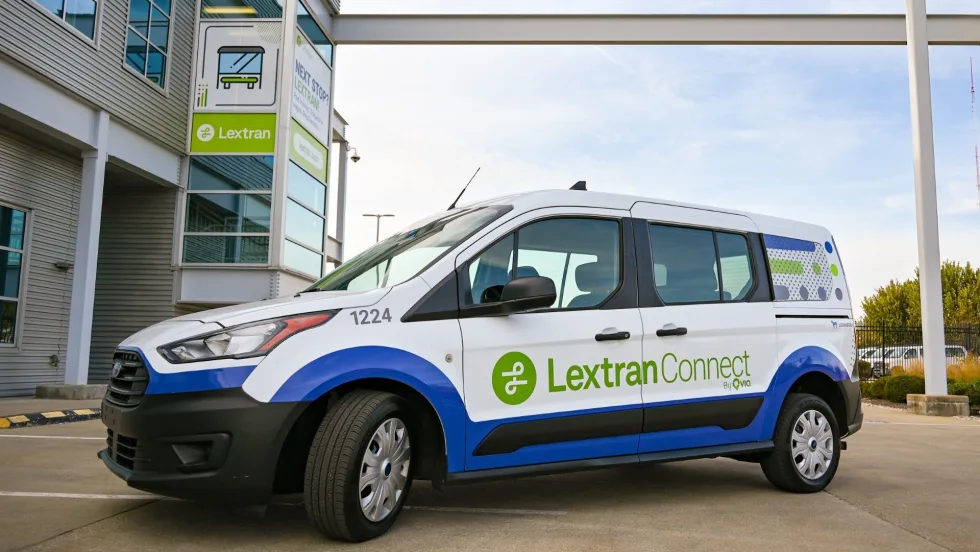
Lextran, Via Team for On Demand, HDR to Work on Twin Cities BRT, and More
In METRO's latest installment, we also take a look at recent news from Keolis, Complete Coach Works, Anchor Transportation, and more partnerships making headlines across the transportation sector.
Read More →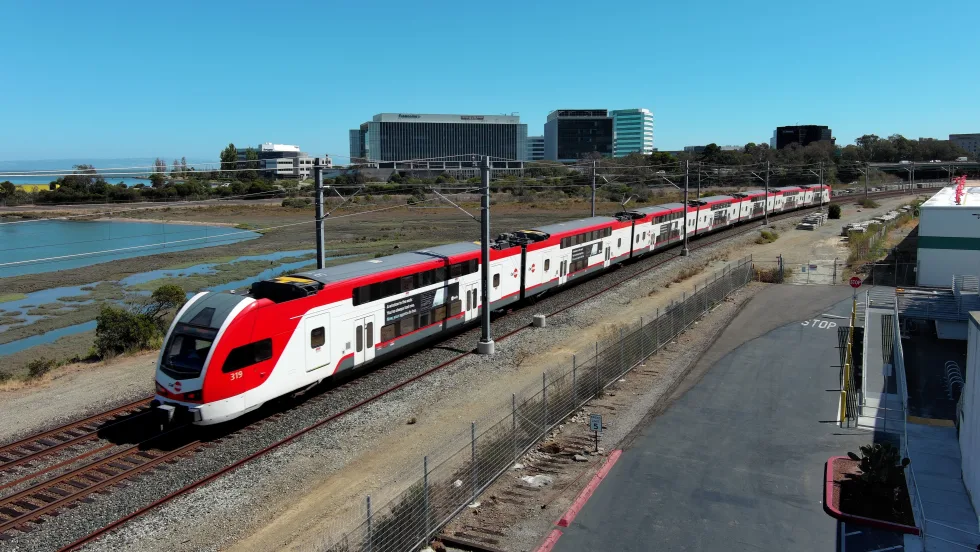
Caltrain’s Electrification Drives a New Era of Ridership Growth
The railroad’s shift to electric service has brought more frequent trains, stronger customer satisfaction, and increased ridership, earning it APTA’s Outstanding Public Transportation System award.
Read More →
Video Surveillance in Public Transit: What Riders Really Think
As video surveillance gains public acceptance, new research from Axis Communications reveals what transit riders expect from agencies when it comes to safety, privacy, and AI.
Read More →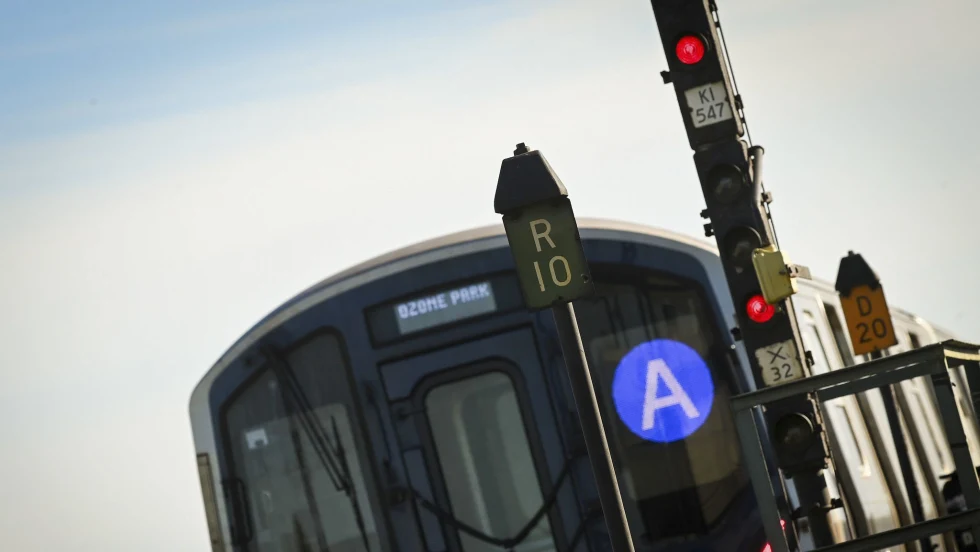
New York MTA Launches Historic $1.9B Signal, Track Modernization Project
Funded in part by congestion pricing revenue, the project will replace nearly century-old signals along the A and C lines in Brooklyn and Queens.
Read More →
Biz Briefs: New Electric Offering from Alexander Dennis/Volvo, Transdev in Boston, and More
In METRO's latest installment, we also take a look at recent news from STV, WSP, Prevost, and more partnerships making headlines across the transportation sector.
Read More →
Roman Cornell on ABC Companies’ Evolution and the Future of Passenger Transportation
The company’s CEO discusses carrying forward a third-generation family legacy, ABC’s continued evolution in passenger transportation, support for increasingly complex fleets, and how technology and continued investment could help operators improve uptime.
Read More →
ETA CEO John Maglio on Transit Technology, Innovation, and Building Agency Trust
ETA founder and CEO John Maglio explores the evolution of transit technology, the importance of reliable systems, and how stronger partnerships can help agencies improve operations and the passenger experience.
Read More →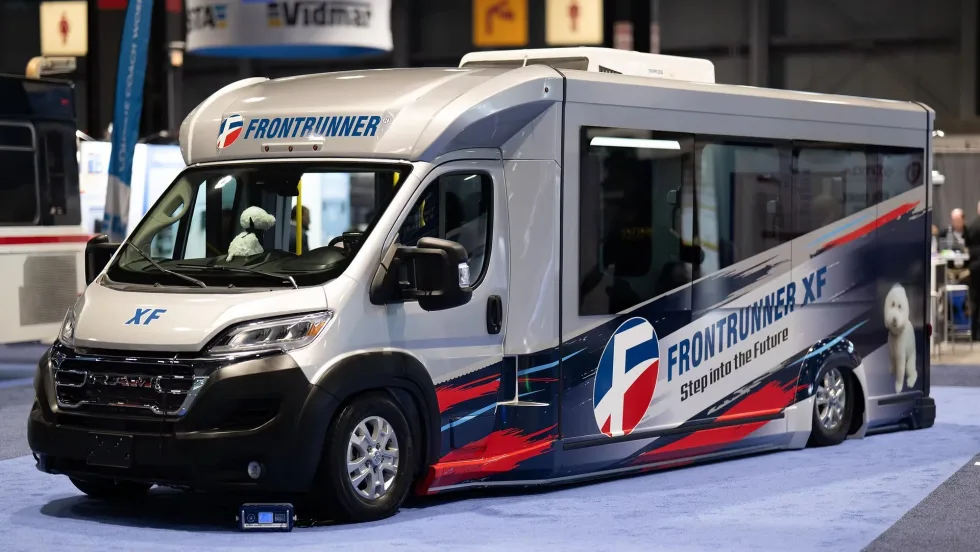
Frontrunner Bus Group Introduces XF Low-Floor Bus with Enhanced Accessibility
The new mid-sized bus features a full flat-floor design, eight-inch curbside step-in height, and zero-entry rear ramp to improve passenger access and operational flexibility.
Read More →
Building a Flexible Path to Transit Electrification with BAE's John Hroncich
John Hroncich discusses BAE Systems’ modular and scalable approach, lessons learned from decades of real-world operations, and how agencies can identify electrification strategies that fit their fleets.
Read More →