



Real-Time Crowding Data Now Available for WMATA Buses, Railcars
Customers can find this real-time information when tracking their bus at buseta.wmata.com, and in the agency’s open data feed for third-party transit and mapping applications like Google Maps.
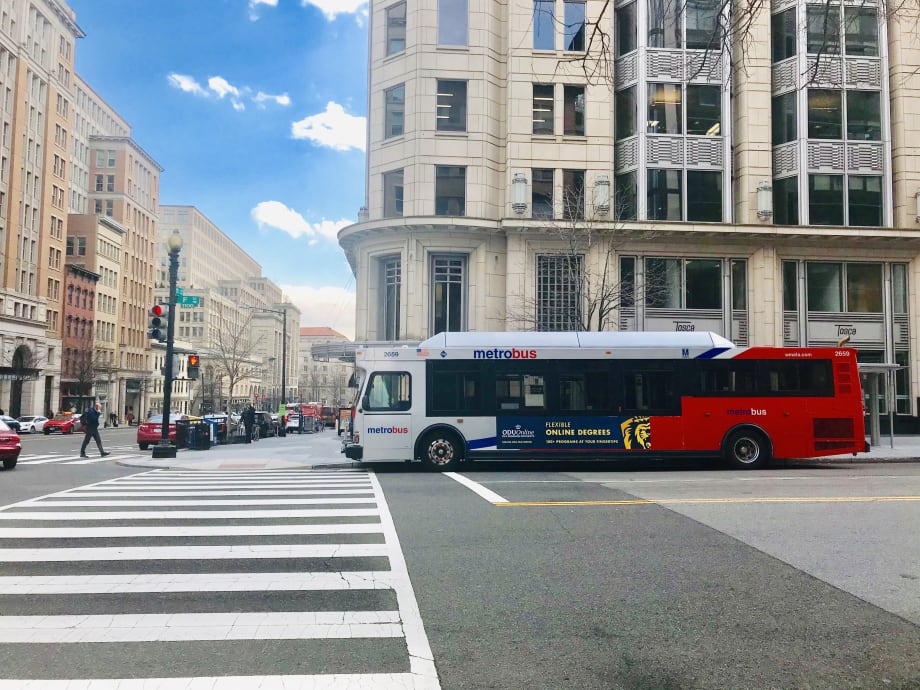
Metrobus data is made possible by technology aboard every bus that senses when customers enter and exit.
METRO Magazine
WMATA’s Metrobus customers can now see how full a bus is before it arrives, empowering them with more information to decide when and how to travel. Customers can find this real-time information when tracking their bus at buseta.wmata.com, and in the agency’s open data feed for third-party transit and mapping applications like Google Maps.
Metrobus data is made possible by technology aboard every bus that senses when customers enter and exit. Metrorail doors are not equipped with the same sensors, but rail crowding predictions are also available based on recent crowding data.
“Metro is doing our part to help Metro customers feel safe when traveling, and we’re proud to release this new tool to help customers make more informed travel decisions,” said Metro GM/CEO Paul J. Wiedefeld. “Social distancing is a top concern as we all navigate this public health crisis, and we hope customers find this information valuable when deciding when to ride.”
When accessing the data, customers will see a bus or train’s capacity in one of the following categories:
Many seats available
Bus less than 25% occupied
Railcar less than 20% occupied
Few seats available
Bus 25-49% occupied
Railcar 20%-32% occupied
Full
Bus is occupied 50% or greater
Railcar is occupied 33% or greater
The categories are based on public health recommendations for social distancing and will be adjusted based on the latest recommendations. Social distancing may not be possible on every train and bus.
More Technology

Building a Flexible Path to Transit Electrification with BAE's John Hroncich
John Hroncich discusses BAE Systems’ modular and scalable approach, lessons learned from decades of real-world operations, and how agencies can identify electrification strategies that fit their fleets.
Read More →
Scenes from APTA TRANSform & EXPO 2026
Transit leaders, manufacturers, and industry professionals gathered in Chicago to explore new technologies, share ideas, and discuss the future of public transportation.
Read More →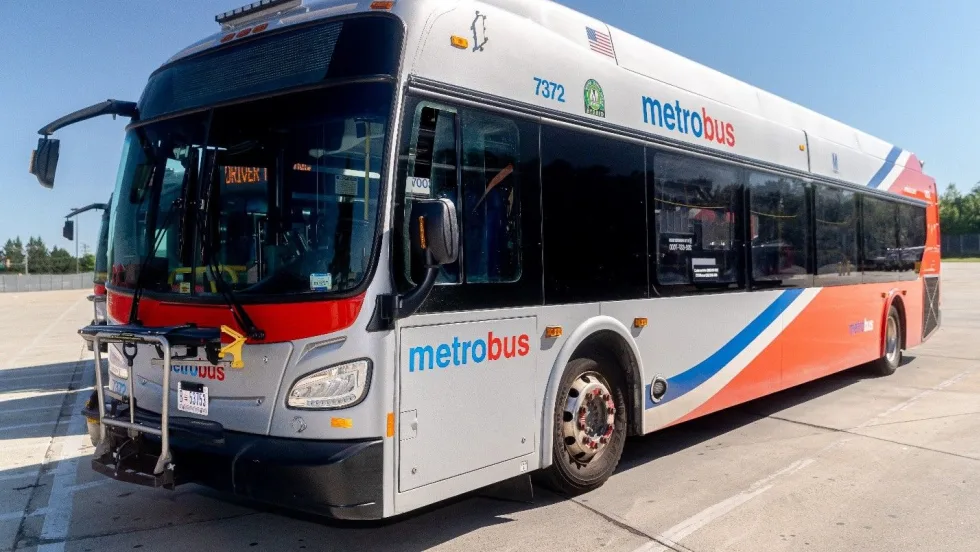
Biz Briefs: New Flyer Secures Additional 100-Bus Order from WMATA and More
In METRO's latest installment, we also take a look at recent news from Masabi, MCI, Samsara, and more partnerships making headlines across the transportation sector.
Read More →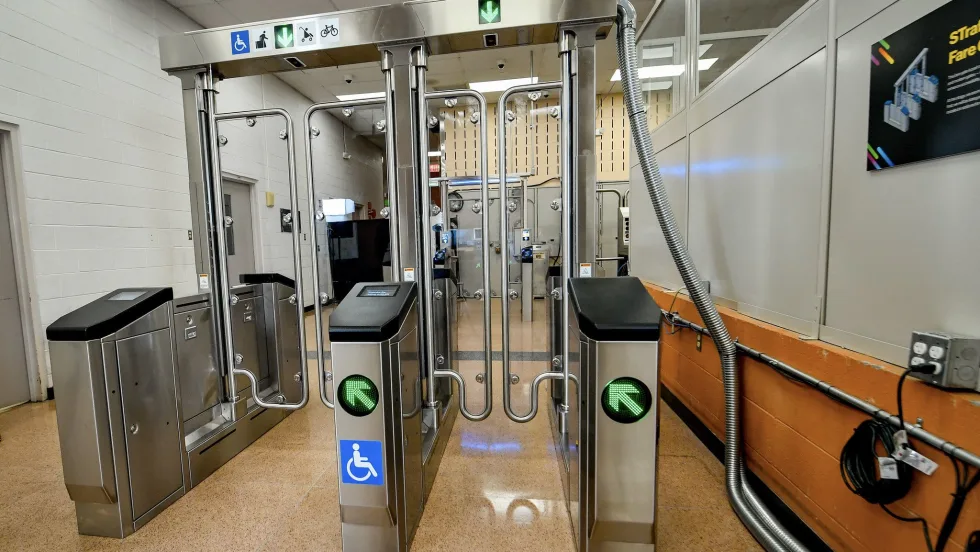
MTA Fare Gate Pilot Reduces Fare Evasion by 35%
Following a 20-station pilot, the agency plans to install new fare gates at 20 additional subway stations as part of a $1.1 billion modernization initiative.
Read More →
California Law Extends AC Transit’s Bus Lane Camera Enforcement
The new law allows AC Transit to continue using forward-facing bus cameras to enforce parking violations in bus-only lanes and at bus stops.
Read More →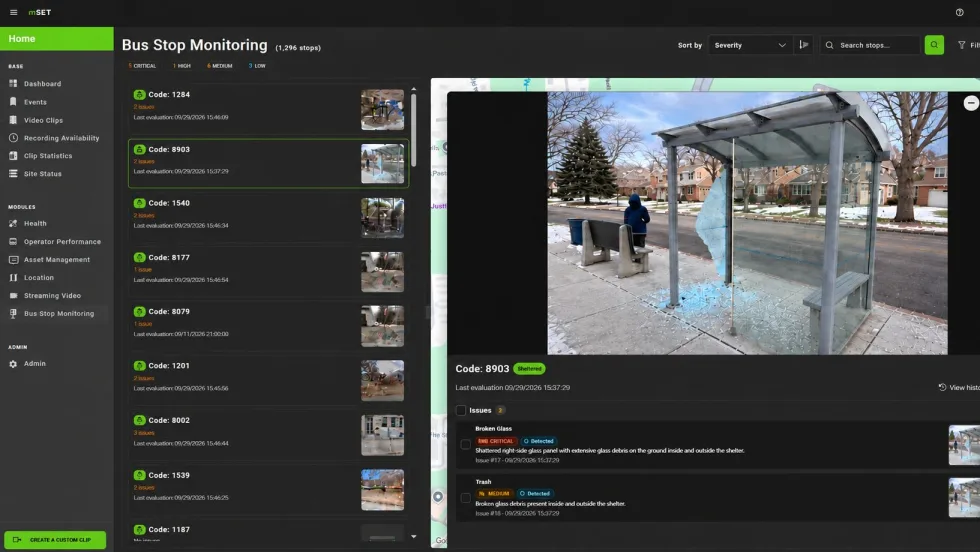
Biz Briefs: Luminator Launches AI Technology to Monitor Bus Stop Conditions and More
In METRO's latest installment, we also take a look at recent news from Masabi, Troman Industries, ioki, CCW, and more partnerships making headlines across the transportation sector.
Read More →
Public Transit Conference Returning to GFX in 2027, Call for Papers Now Open
The Call for Papers is now open, allowing transit agency professionals and industry experts to help shape the PTC educational program by submitting session ideas for consideration.
Read More →
ENC Lands MATA Contract and More in Biz Briefs
In this edition of Biz Briefs, we spotlight the latest developments shaping the future of mobility.
Read More →
Strada360’s Steve Lassey on Turning Transit Data Into Better Decisions
From breaking down data silos to preparing for AI, Strada360 CEO Steve Lassey discusses how transit agencies can use technology to improve operations, customer information, and long-term decision-making.
Read More →
Almaviva Looks to Open Architecture to Advance Transit Technology
Eric Reese discusses how interoperability, open architecture, and modular design can help transit agencies control costs, reduce vendor lock-in, and upgrade technology without starting over.
Read More →