



MTI Releases Report to Help Fund California's Local Transportation
The Mineta Transportation Institute releases a guide to local transportation revenue sources in California.
The Mineta Transportation Institute at San Jose State University is an organized research and training unit with a network of faculty, research and administrative staff, and students committed to increasing mobility for all.
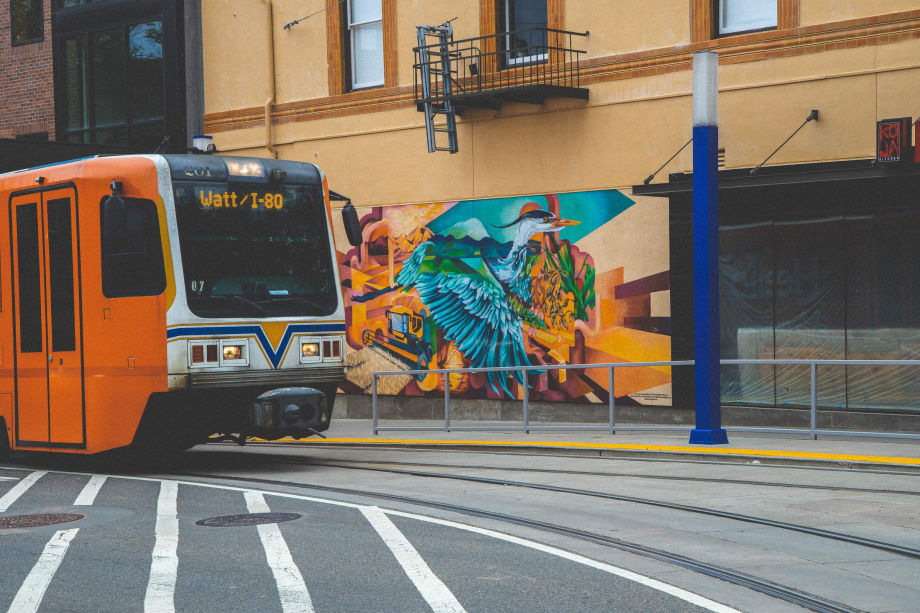
Photo: Kyle Smith/Unsplash
The Mineta Transportation Institute has released How Do California’s Local Governments Fund Surface Transportation? A Guide to Revenue Sources, a new report to help policymakers and researchers tackle the challenge of funding local transportation.
“The complexity of local government transportation budgets is a major barrier to identifying long-term reliable and adequate funding sources,” said Dr. Asha Weinstein Agrawal, lead study author and director of MTI’s National Transportation Finance Center. “Quite frankly, the system is bewildering even to experts. Every year, California’s 482 cities, 58 counties, and numerous special districts must piece together the puzzle of their transportation budgets with revenue from dozens of taxes and fees imposed by federal, state, regional, and local governments.”
According to MTI's new study, a 2021 report from the League of California Cities found that expenditures for local streets, roads, and bridges in California would need to increase over current levels by $64 billion over the coming decade to achieve a state of good repair.
The MTI study presents an overview of the primary federal, state, and local taxes and fees that raise revenue ultimately spent by local governments to fund transportation. The majority of the money comes from taxes and fees paid directly by drivers and transit users. User fees at the local level include transit fares and tolls. In addition to user fees, both the state and local governments raise revenue from general taxes, such as parcel taxes, hotel taxes, and sales taxes.
Looking just at streets and roads, local governments contribute almost half of total spending, state sources contribute approximately one-third, and federal contributions are around 10%. As the figure shows, for the last two decades local governments have consistently raised the largest amount of revenue for streets and roads, according to MTI.
More Security and Safety

Transit Agencies Highlight Safety Gains at National Summit
Leaders from 15 major transit systems shared crime-reduction results and safety initiatives while discussing the role of continued federal support.
Read More →
DART Launches Major Security, Fare Enforcement Initiative
The 90-day demonstration will deploy coordinated security teams at five light rail stations while testing controlled access and gathering data to guide future investments.
Read More →
RTD Launches NextRide App to Consolidate Trip Planning, Fares, Security Reporting
The app expands on RTD’s existing NextRide web application and allows customers to view real-time vehicle locations and service alerts, purchase and store digital fares, and access customer support.
Read More →

TAPTCO Updates OSHA Compliance Training for Transit Maintenance Operations
The revamped program addresses 26 OSHA standards for maintenance facilities, with TAPTCO pointing to training, documentation, and everyday shop hazards as continuing challenges for transit operations.
Read More →
How VaporVision Adds Value to Transit Door Systems
Wabtec engineers explain how the system improves doorway detection, strengthens diagnostics and gives transit agencies and OEMs greater operating flexibility.
Read More →
FRA Announces $5.3B in Rail Investments, Including $2B for Amtrak
Funding will support grade-crossing improvements, infrastructure upgrades, and new Amtrak equipment in 23 states.
Read More →
Chicago, Maryland Expand Non-Law-Enforcement Safety, Rider Support
The CTA and MTA are launching new programs aimed at de-escalation, crisis response, rider assistance, and greater transparency.
Read More →
LA Metro, City of West Hollywood, and Partners Advance Smarter Bus Lane Enforcement
The award-winning partnership combines AI-powered detection with human oversight to improve bus reliability, accessibility, and enforcement efficiency.
Read More →
LA Metro Reports 57% Decline in Homelessness on Transit System Since 2024
The agency's latest homelessness count offers new data on how care-based services and cross-sector partnerships can complement traditional transit security strategies.
Read More →
FTA Launches 'Transit Moves America' Dashboard to Highlight Agency Safety and Performance
The online dashboard transforms National Transit Database information into a public-facing resource that allows users to compare transit agencies on key operational and safety metrics.
Read More →