



Moovit, TfL Using Open Data to Display Tube Station Passenger Levels
The initiative is in line with TfL’s new “quieter times to travel” information to help people feel safer using transport amid the pandemic.

The initiative with Moovit is in line with TfL’s new “quieter times to travel” information to help people feel safer using transport amid the pandemic.
TfL
Using Transport for London (TfL) data, Moovit is introducing a new feature that will allow app users to view reports about Underground station “busy-ness” across the city. The initiative is in line with TfL’s new “quieter times to travel” information to help people feel safer using transport amid the pandemic.
The new feature is thanks to Moovit’s integration of TfL’s open data API, which provides near real-time station “busyness” data and is only available in the Moovit app aside from the TfL Go app. Users can view the displayed “busyness” data in Moovit’s Station Details screen, and then confirm or update the information themselves to ensure the data is precise and help fellow Moovit users be better aware when planning their journeys. The data can be found for all Tube stations across London except for only a few.
Confirming and updating crowding levels at stations is easy. When a report is displayed in the Station Details screen, nearby Moovit users can tap ✓ or X to verify the information is still accurate or update it to display the latest levels of crowding with a one tap survey.
Users can also add crowding level reports to Moovit if no data is available. Users simply tap Report from the Quick Actions bar in the Station Details screen and follow the prompts and one tap survey to create a report. Users can select Not Crowded, A Little Crowded, Crowded, or Very Crowded. Others nearby will see this information for a period of up to 10 minutes in the Station Details screens before it is refreshed by TfL’s open data.
The Moovit app, available on iOS and Android, combines official information from local transport agencies, as well as crowdsourced information to calculate the best route for each journey with urban mobility options such as bus, metro, rail, bike, scooters, taxi, and Uber. Moovit provides users with real-time arrival information so they know exactly when their bus or rail is arriving, a Live Directions feature with Get Off alerts to provide step-by-step guidance for the entire journey, and Service Alerts so that users can avoid disruptions and plan their journey accordingly.
Through Moovit’s use of Transport for London data, passengers also receive notifications about quieter times to travel.
More Technology

What Transit Maintenance Facilities Should Know About Gas-Detection Placement
Proper gas-detector placement is critical to maintaining safety in transit maintenance facilities, requiring agencies to consider fleet fuel types, ventilation, shop operations, and ongoing equipment maintenance.

People Movement: Metrolink's Kettle Announces Retirement, Feakins to CEO at UZURV, and More
In this edition, we also cover recent appointments and announcements at King County Metro, SilverRide, and more, showcasing the individuals helping to shape the future of transportation.

Imagry, Endera Partner for Automated Buses, Luminator Teams with Avail, and More in Biz Briefs
In METRO's latest installment, we also take a look at recent news from RIDE, Alstom, and more partnerships making headlines across the transportation sector.

Amtrak Expands Airo Fleet with Eight Higher-Capacity Trainsets
The new 10-car trains, expected to enter service in 2031, will provide about 34% more seating capacity to meet growing demand on the Northeast Corridor.

Improving Transit Safety and Reliability Through AI
Hayden AI’s Chief Growth Officer, Charley Territo, discusses how AI-powered camera enforcement is helping transit agencies keep bus lanes and stops clear, improve accessibility, and move from pilot programs to full-scale deployments.

STraffic Expands North American Presence with Fare Collection Technology
John Moon, Associate Director, Product Strategy at STraffic, discusses the company's growth in North America, its efforts to reduce fare evasion, and more.
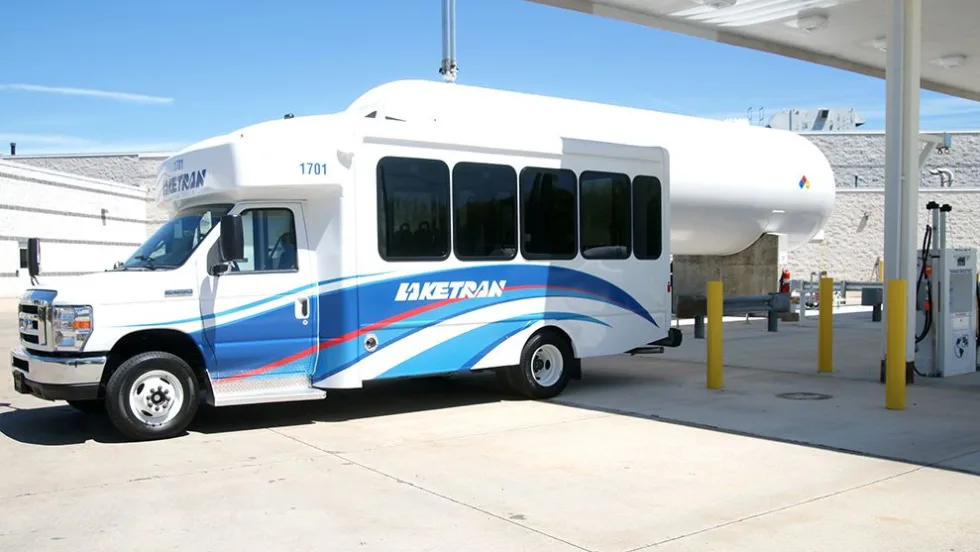
Laketran Cuts Fuel Costs, Boosts Efficiency with Propane-Powered Fleet
The Ohio transit agency is using propane-powered vehicles and on-site fueling infrastructure to cut fuel and maintenance costs while meeting growing demand for paratransit services.

Right-Sizing Rural Transit: Lessons from North Grenville’s On-Demand Model
A small municipality shows how flexible service, rider needs, and public accountability can expand mobility with limited resources.

Transit Expands Agency Partnerships, Reaching 200 Official App Partners
COO Jake Sion discusses Transit’s growth, the success of its Transit Royale program, and how technology is helping agencies improve the rider experience.

Biz Briefs: Ballard, Solaris Partner, New Flyer Receives Florida Order, and More
In METRO's latest installment, we also take a look at recent news from New Flyer, STV, Spare, and more partnerships making headlines across the transportation sector.