



NJ TRANSIT Unveils New Electric Bus Charging Infrastructure
The chargers and associated infrastructure upgrades represent the next step in NJ TRANSIT’s goal of transitioning to a 100% zero-emissions bus fleet by 2040.
The Bus Garage Modernization project was identified as a capital need in NJ TRANSIT’s Five-Year Capital Plan and is aligned with NJ TRANSIT’s commitment to achieving a full transition to 100% zero-emission bus fleet by 2040.
NJ TRANSIT
NJ TRANSIT’s Newton Avenue Bus Garage in Camden is ready to plug into the future of electric buses. NJ TRANSIT President & CEO Kevin S. Corbett announced the installation of eight Electric Vehicle Chargers (EVCs) at the garage have been completed.
The chargers and associated infrastructure upgrades represent the next step in NJ TRANSIT’s goal of transitioning to a 100% zero-emissions bus fleet by 2040. The work sets the stage for a deployment of the agency’s first eight battery electric buses in Camden later this year.
“With the successful installation of the charging infrastructure at our Newton Avenue bus garage, which will support our eight electric buses arriving later this year, NJ TRANSIT celebrates a significant milestone on our roadmap to a 100 percent zero-emissions bus fleet,” said NJ TRANSIT President & CEO Kevin S. Corbett. “NJ TRANSIT’s Zero-Emissions Bus Program is aligned with Governor Murphy's Energy Master Plan, and we remain committed to achieving our goal of a fully zero-emissions bus fleet by 2040.”
In September 2020, NJ TRANSIT’s board awarded a $3.235 million contract to Scalfo Electric of Vineland to renovate the Newton Avenue Bus Garage with electric vehicle charging stations and other associated infrastructure modifications.
The Camden project is a first of its kind initiative for NJ TRANSIT, which will test electric buses in real world conditions on specific routes, which will provide invaluable data and information on the effects of weather, passenger volume, road conditions, and other factors on electric bus performance, including travel distance available between recharging. The project will also review the infrastructure resources and work required to modernize NJ TRANSIT’s bus garages to accept new charging stations, and the significantly greater power feeds needed to energize them.
The Bus Garage Modernization project was identified as a capital need in NJ TRANSIT’s Five-Year Capital Plan and is aligned with NJ TRANSIT’s commitment to achieving a full transition to 100% zero-emission bus fleet by 2040 and meeting the schedule included in Gov. Murphy’s Zero-Emissions-Bus Initiative.
As part of the continued progress on the ambitious Bus Garage Modernization project, the NJ TRANSIT board just approved a $4.3 million contract with AECOM for 100% Final Design and Construction Assistance for the Hilton Garage charging infrastructure in Maplewood, as well as a systemwide survey and condition assessment for all 16 of NJ TRANSIT’s bus garages to identify the structural, power & utility, and information technology upgrades necessary, as well as other physical elements, to support zero-emissions buses.
More Zero Emissions
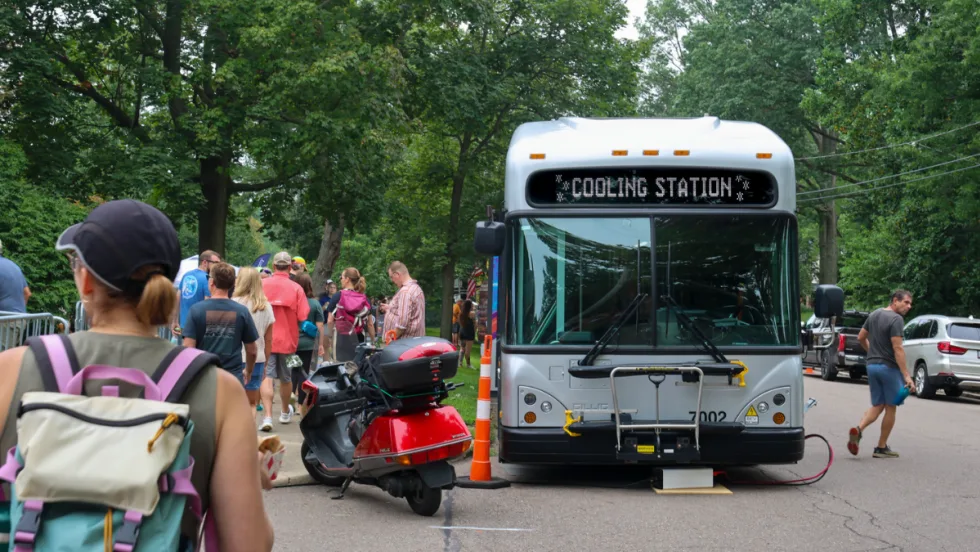
Ohio’s METRO RTA Turns Electric Buses into Mobile Power Sources at PorchROKR
See how three Gillig battery-electric buses powered festival stages while the agency’s new Park & Ride service carried approximately 1,000 attendees, demonstrating another potential use for transit agencies’ electric fleets.
Read More →
CALSTART and Forth Combine to Form Catalyst Mobility
The new name represents a renewed vision for the nonprofit focused on advancing clean, equitable, and affordable transportation solutions that move people and goods.
Read More →
Building a Flexible Path to Transit Electrification
John Hroncich discusses BAE Systems’ modular and scalable approach, lessons learned from decades of real-world operations, and how agencies can identify electrification strategies that fit their fleets.
Read More →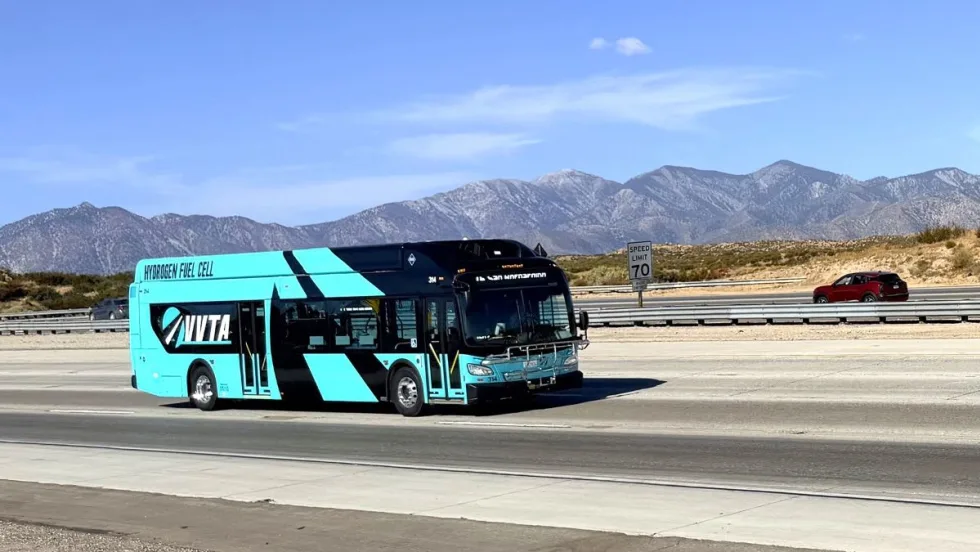
California's VVTA Begins Phased Rollout of Hydrogen Fuel Cell Buses
The agency is introducing 13 zero-emission buses into revenue service while evaluating performance across its urban, rural, and long-distance routes.
Read More →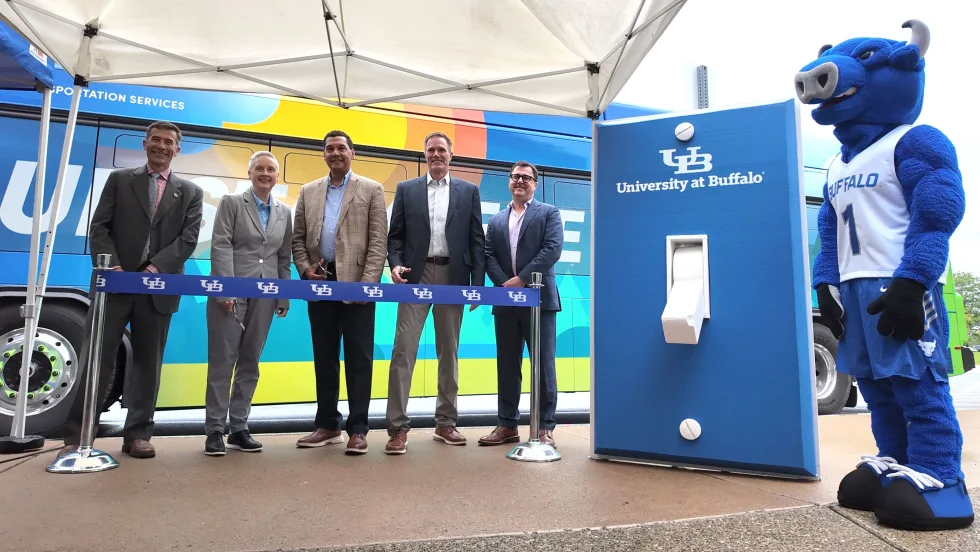
Inside Look: University at Buffalo Puts First 8 Electric Buses Into Stampede Service
UB, transportation solutions provider WeDriveU, and fleet electrification specialist Zenobē marked the deployment in the presence of students, university administrators, and local officials.
Read More →
Biz Briefs: OCTA Taps Clean Energy for Hydrogen Station, Stadler to Supply Via Rail Vehicles, and More
From manufacturers and suppliers to transit agencies and motorcoach operators, these updates offer a snapshot of the projects, partnerships and business moves driving the industry forward.
Read More →
AC Transit’s Cecil Blandon on Building the Next Generation of Transit Maintenance Leaders
The agency’s maintenance chief discusses leadership, workforce development, zero-emission technology, and preparing technicians for the future of public transportation.
Read More →
CTDOT Taps STV for Electric Bus Facility Design
The firm will work with CTDOT and RVT to define the facility layout, operational requirements, and long-term flexibility for RVT’s growing electric fleet.
Read More →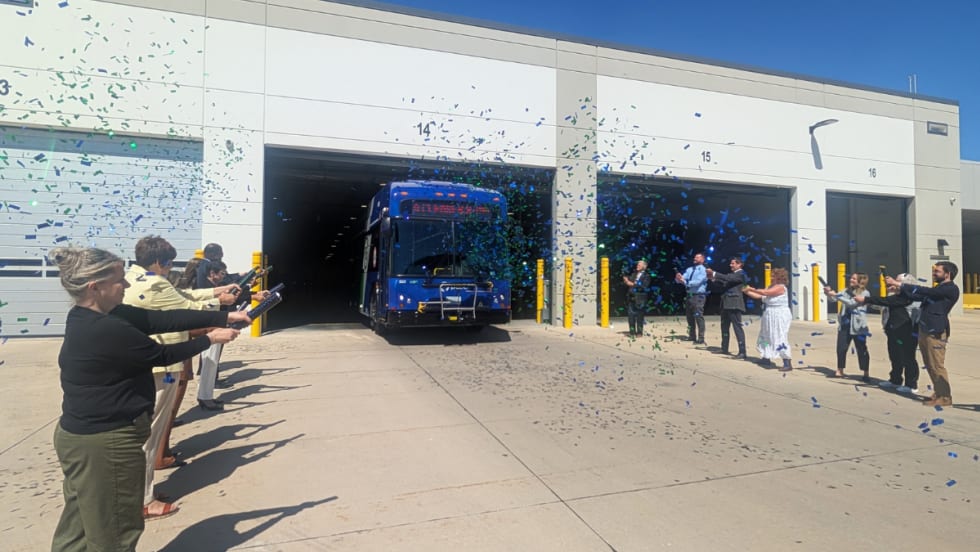
Chicago’s Pace Deploys 24 Hybrid-Electric Buses in Will County
The new buses reduce emissions and fuel consumption while advancing the agency's long-term goal of transitioning to a fully zero-emission fleet.
Read More →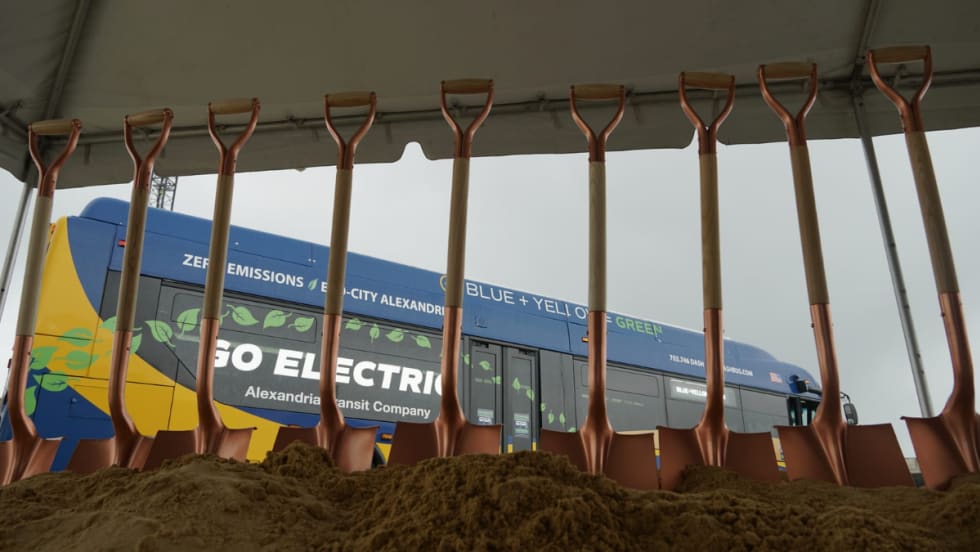
DASH Breaks Ground on First On-Route Electric Bus Chargers in D.C. Region
The fast-charging infrastructure will help extend electric bus range, improve fleet utilization, and support DASH's goal of transitioning to a fully zero-emission fleet.
Read More →