




Stantec Selected to Lead Construction Management for Blue Line Bus Rapid Transit
Stantec Construction Engineering, Inspection Services Extended Through 2026
The $119 million contract is an extension of existing construction and engineering services Stantec is providing to HART and will run through the end of 2026.
June 17, 2022
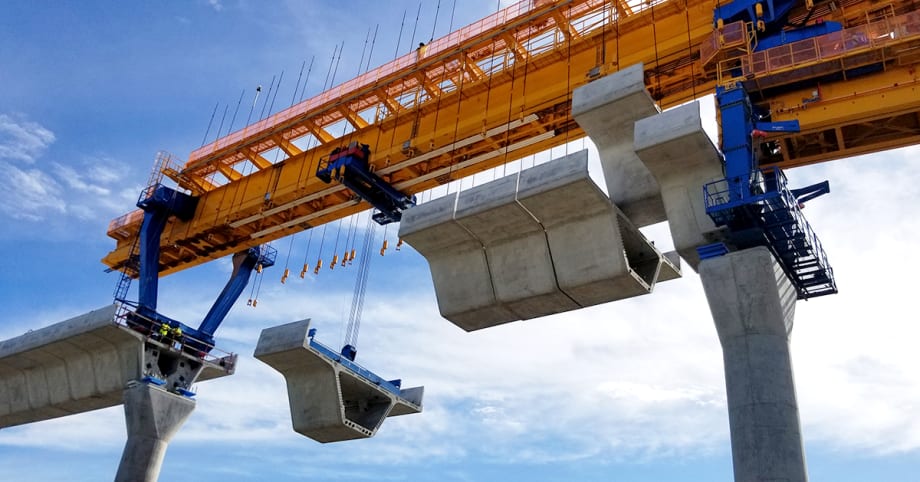
HART’s light rail system is fully electric and will be the first driverless light rail system in the U.S. by connecting several transit and retail hubs on the island of Oahu.
Photo: HART
3 min to read
Stantec has been selected to continue construction engineering and inspection services for the east section of Honolulu Authority for Rapid Transportation’s (HART) driverless and electric light rail project.
The $119 million contract is an extension of existing construction and engineering services Stantec is providing to HART and will run through the end of 2026, with the possibility of a five-year extension to expected project completion in 2031. Stantec staff will assist with construction management and successful project delivery for HART’s large construction projects, including the light rail guideway, rail stations, and utility relocation.
“HART light rail is one of the most iconic transit projects in the United States, and a game-changer for transportation in Hawaii,” said Brian Norris, Stantec’s project manager and transportation business line leader. “We are extremely proud of the work we are doing, and this effort is essential to delivering the project for the people of Hawaii. Project management and construction management are growth areas for our transportation business, and we continue to provide this expertise across markets in North America.”
HART’s light rail system is fully electric and will be the first driverless light rail system in the U.S. by connecting several transit and retail hubs on the island of Oahu. The 20-mile, 21-station elevated system will connect West Oahu with the Honolulu International Airport, downtown Honolulu, and the Ala Moana Center.
Honolulu’s population is expected to grow 10% by 2045. HART light rail will support that growth by connecting people with jobs, healthcare, and education; connecting visitors to beaches, hotels, and attractions; and reducing congestion of surface traffic. At the same time, HART light rail will contribute to Hawaii’s climate goals by reducing transportation carbon emissions.
“Light rail is an essential part of improving transportation in Hawaii and reaching our climate goals,” said Lori Kahikina, executive director/CEO, HART. “Providing a connecting spine through downtown, important transit centers, and the airport will vastly improve our transit system. Stantec has been with us from the early days, and we value their expertise and longstanding service in delivering the project.”
Stantec’s work on this fully electric system also supports the company’s commitment to the United Nations Sustainable Development Goals, namely industry, innovation, and infrastructure (SDG 9); sustainable cities and communities (SDG 11); and climate action (SDG 13).
Stantec has seen exponential growth in Hawaii since work began on HART. From a single employee in 2015, the firm now has more than 40 full-time employees on the Islands. In addition to its work on the HART project, the team also supports large-scale projects in the community development, alternative energy, environmental services, buildings, water, and transportation sectors.
With this new contract underway and other projects ramping up, the Honolulu office is set to continue its expansion through continued support of City and County of Honolulu, Hawaii Department of Transportation, and Naval Facilities Engineering Systems Command. This includes additional transportation projects throughout the state related to ports and marine, dry docks, airports, and local infrastructure.
More Management
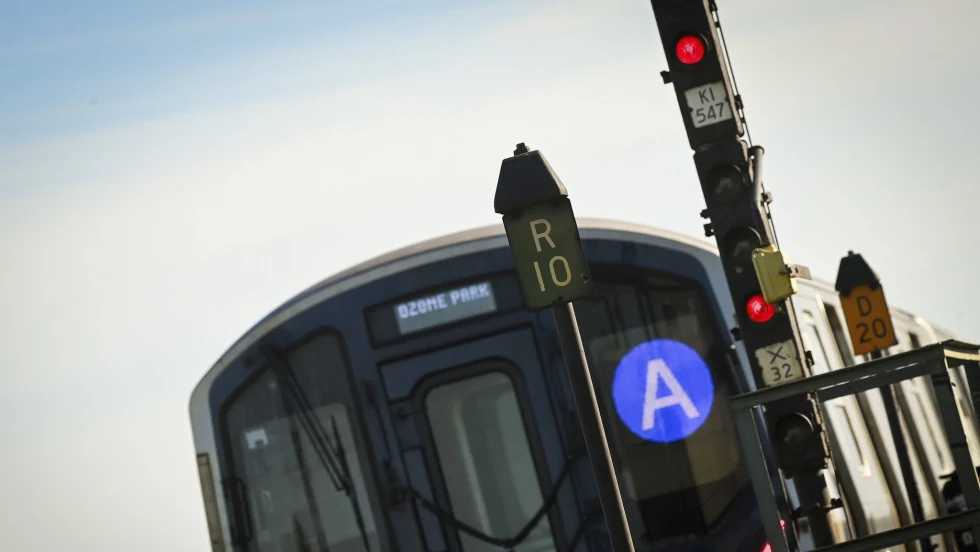
New York MTA Launches Historic $1.9B Signal, Track Modernization Project
Funded in part by congestion pricing revenue, the project will replace nearly century-old signals along the A and C lines in Brooklyn and Queens.
Read More →
Brian Dickson on Building Stronger, More Resilient Transportation Organizations
Bus Business Consultants Founder Brian Dickson discusses the leadership principles, operational discipline, and strategic planning that separate transportation companies positioned for long-term success from those stuck in survival mode.
Read More →
LA Metro Breaks Ground on Vermont BRT Project
The 12.4-mile corridor is projected to serve 66,200 daily riders, reduce travel times by up to 24%, and create the nation's busiest bus rapid transit corridor.
Read More →
Building Stronger Leaders, More Resilient Transit Teams
Dr. Carol Parker Walsh discusses leadership development, employee retention, workplace culture, and preparing transit’s workforce for AI and automation.
Read More →
Roman Cornell on ABC Companies’ Evolution and the Future of Passenger Transportation
The company’s CEO discusses carrying forward a third-generation family legacy, ABC’s continued evolution in passenger transportation, support for increasingly complex fleets, and how technology and continued investment could help operators improve uptime.
Read More →
CATS Launches West Charlotte Microtransit Zone, Expands Transit Services
The new microtransit zone connects residents to key destinations as Charlotte Area Transit System rolls out the first phase of its 2055 Transit System Plan.
Read More →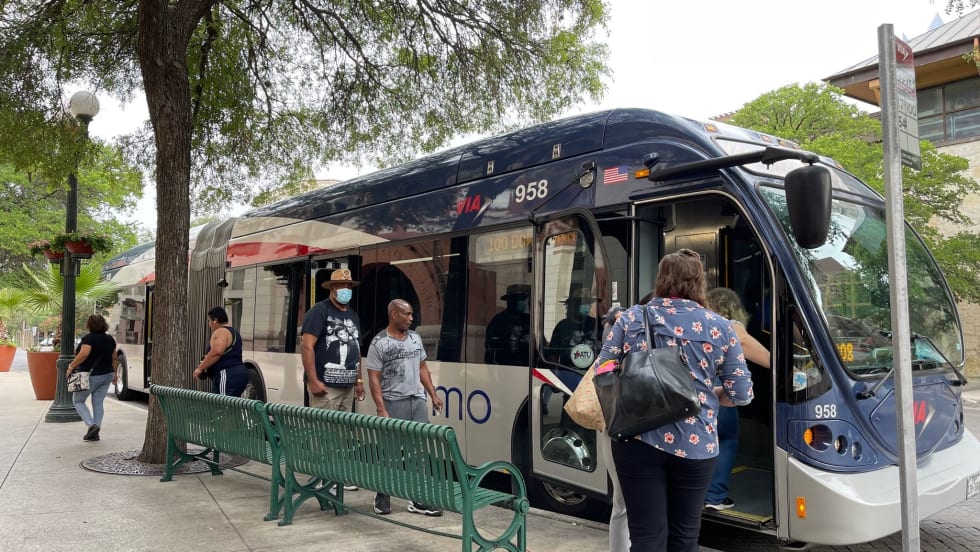
VIA Bus Ridership Grows 10.1% Through August 2026
San Antonio's VIA Metropolitan Transit reported the highest bus ridership growth among major Texas transit systems. Federal Transit Administration data ranked it second among the nation's 50 largest transit systems.
Read More →
CSA Group Releases Climate Resilience Standard for Transit, Passenger Rail
Developed with support from the Standards Council of Canada, CSA D700 guides assessing climate-related risks and planning adaptation measures for transit and passenger rail systems.
Read More →
ETA CEO John Maglio on Transit Technology, Innovation, and Building Agency Trust
ETA founder and CEO John Maglio explores the evolution of transit technology, the importance of reliable systems, and how stronger partnerships can help agencies improve operations and the passenger experience.
Read More →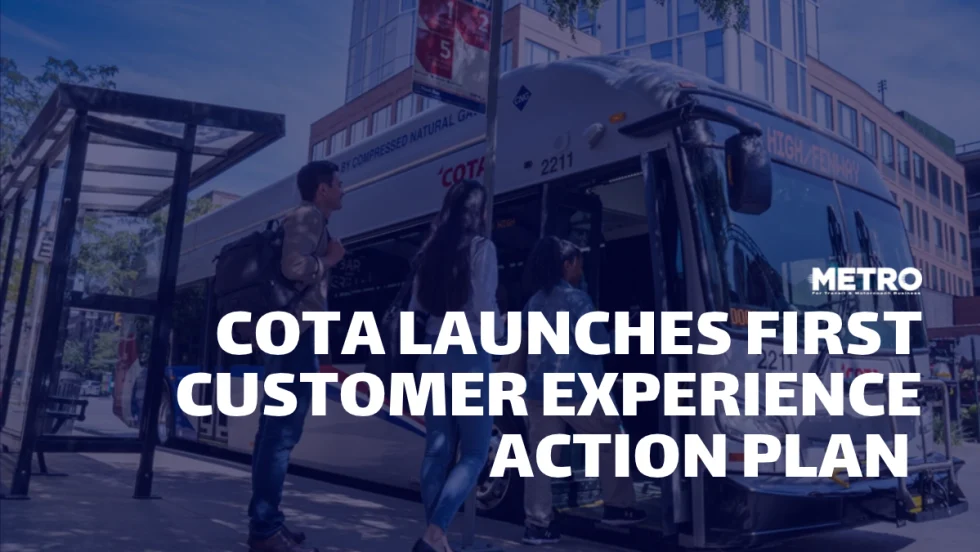
COTA Launches First Customer Experience Action Plan to Improve Transit Service
The new plan outlines improvements to service reliability, accessibility, communication, and the overall rider experience across Central Ohio's transit system.
Read More →