




RELATED: The Brave New World of Recruiting
SamTrans Names New GM/CEO
She will succeed Acting GM Carter Mau, who previously informed the board of his intent to retire in the coming months.
October 13, 2022

April Chan is a 20-plus-year veteran of SamTrans, currently serving as acting deputy GM/CEO.
Credit:
San Mateo County Transit District
3 min to read
The San Mateo County Transit District’s (District) board unanimously appointed April Chan as its next GM/CEO, effective Nov. 1.
Chan is a 20-plus-year veteran of the Calif.-based agency, currently serving as acting deputy GM/CEO. She will succeed Acting GM Carter Mau, who previously informed the board of his intent to retire in the coming months.
The District is the mobility manager for San Mateo County, which operates SamTrans fixed-route buses and Redi-Wheels and RediCoast paratransit. In her new role, Chan also will serve as executive director of the San Mateo County Transportation Authority, which administers the Measure A transportation sales tax to fund transportation projects countywide.
She also will be responsible for services provided by the District to both the Peninsula Corridor Joint Powers Authority, which owns and operates the Caltrain commuter railroad, and the San Mateo County Express Lanes Joint Powers Agency.
Board Chair Peter Ratto stated, "The board was gratified to see the broad and diverse group of candidates from across the country who wanted to serve in this role. However, I am even more thrilled to appoint a GM/CEO who we know first-hand is ready to drive SamTrans into an ever-brighter future. Ms. Chan is an intelligent, thoughtful, savvy, and creative leader."
Over her 20-plus years at the District, Chan's professional successes have included:
Providing executive leadership and oversight for the Reimagine SamTrans comprehensive operational analysis, which overhauled the overall network of bus routes.
Collaborating with state, federal, and regional partner agencies, as well as private employers, to secure full funding ($550 million) for the San Mateo County U.S 101 Express Lanes project.
Serving on the executive team that provided direction for the completion of the first-ever equity study in the SF Bay Area region for express lanes, resulting in a San Mateo County Express Lanes Equity Program that provides community benefits to eligible disadvantaged county residents with either fare or express lane subsidies.
Leading the application process for a $647 million federal Core Capacity grant for the Caltrain Electrification Program, and working with the Metropolitan Transportation Commission and Caltrain's partners agencies to secure over $2 billion in funding for the project.
Initiating a study of the Dumbarton Bridge corridor area to assess potential trans-bay transportation solutions to help alleviate extensive traffic congestion in an area of expanding growth.
Chan also is currently leading the planning effort for replacement of the SamTrans headquarters building, including development of replacement options suitable for potential public-private partnerships with developers.
“I recognize the GM/CEO position will come with many challenges. As a next step after the recently completed Caltrain governance negotiations, I will be working with that agency's various leaders to negotiate a first-ever shared services agreement,” said Chan. “In addition, I will be responsible for the rollout and funding plan for the full electrification of the SamTrans fleet, to both fulfill the state mandate, and lead the District in meeting its sustainability and climate goals. I am looking forward to taking on these challenges."
More Management

Bringing Austin’s First Light Rail System to Life
Austin Transit Partnership CEO Greg Canally discusses the city's nearly 10-mile light rail project, its collaborative approach to project delivery, the importance of community engagement, and the milestones ahead as construction approaches in 2027.
Read More →
ETA CEO John Maglio on Transit Technology, Innovation, and Building Agency Trust
ETA founder and CEO John Maglio explores the evolution of transit technology, the importance of reliable systems, and how stronger partnerships can help agencies improve operations and the passenger experience.
Read More →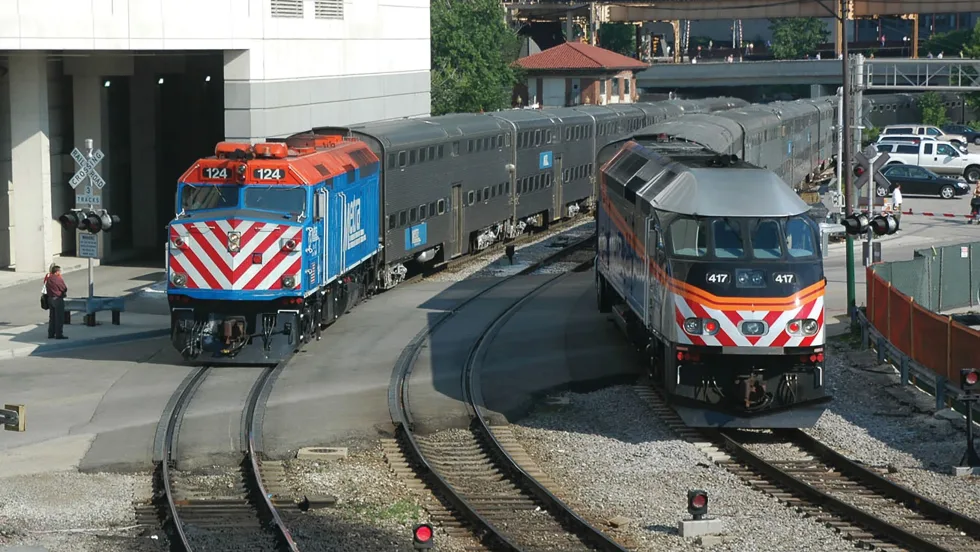
Metra Draft Plan Outlines Costs, Service Improvements for Regional Rail
The Systemwide Network Plan identifies infrastructure needs and potential investments to expand all-day, bidirectional rail service across the Chicago region.
Read More →
New Orleans RTA Names Augustine III as New CEO
In this edition, we also spotlight recent personnel moves at HDR, PATH, STV, and more, highlighting the people taking on new roles across the transportation industry.
Read More →
How Transit Agencies Are Using Free Rides to Improve Voting Access
Transit agencies are using fare-free service, trip-planning tools, and targeted rides to improve voting access. See what other agencies can learn from these efforts.
Read More →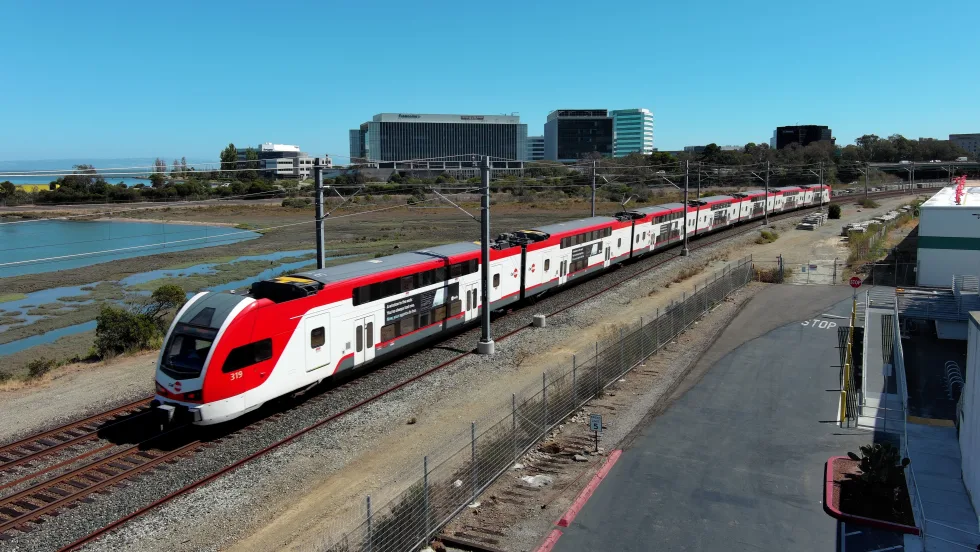
Caltrain’s Electrification Drives a New Era of Ridership Growth
The railroad’s shift to electric service has brought more frequent trains, stronger customer satisfaction, and increased ridership, earning it APTA’s Outstanding Public Transportation System award.
Read More →
Chicago, Charlotte Transit Agencies Expand Rider Support Programs
CTA launched crisis intervention teams as CATS prepares to deploy fare ambassadors, expanding customer assistance and security efforts across both systems.
Read More →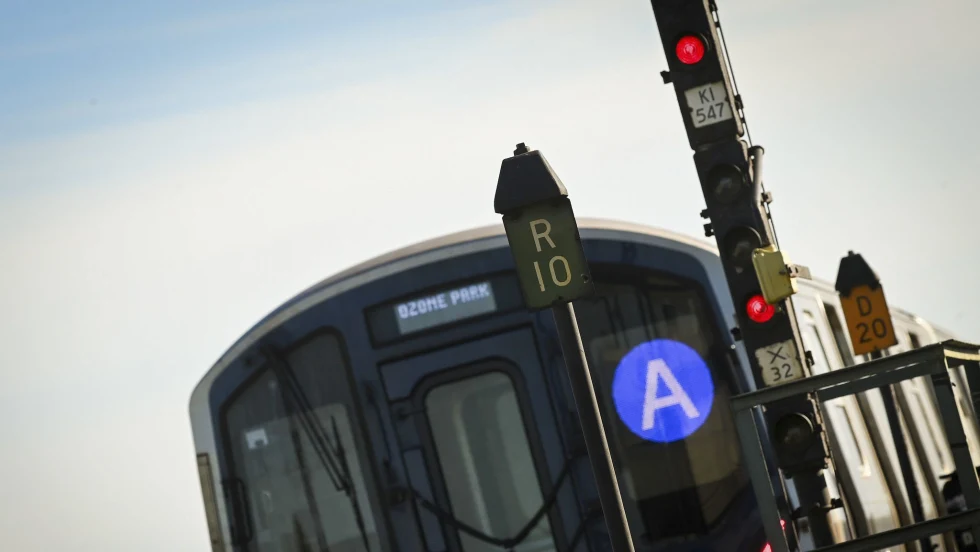
New York MTA Launches Historic $1.9B Signal, Track Modernization Project
Funded in part by congestion pricing revenue, the project will replace nearly century-old signals along the A and C lines in Brooklyn and Queens.
Read More →
Brian Dickson on Building Stronger, More Resilient Transportation Organizations
Bus Business Consultants Founder Brian Dickson discusses the leadership principles, operational discipline, and strategic planning that separate transportation companies positioned for long-term success from those stuck in survival mode.
Read More →
LA Metro Breaks Ground on Vermont BRT Project
The 12.4-mile corridor is projected to serve 66,200 daily riders, reduce travel times by up to 24%, and create the nation's busiest bus rapid transit corridor.
Read More →