




Safety in Mind: Metrolink Partners to Target Rail Crossing Violators
Task Force Report Shows St. Louis Metro's Safety Progress
MetroLink released the results from its Task Force Incident Report for Quarter 4.
March 8, 2023
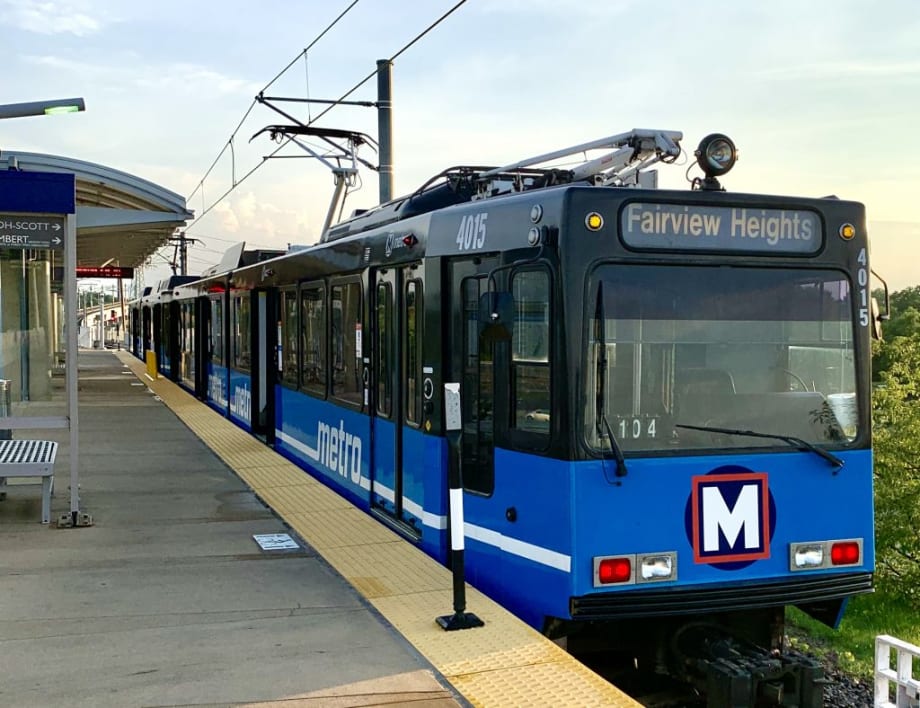
A total of 145 incidents were reported in Quarter 3, down a little from the 178 reported in Quarter 3 and the 166 reported in Quarter 4 of 2022.
Photo: St. Louis Metro
3 min to read
St. Louis Metro released the results from the Metrolink Task Force Incident Report for Quarter 4 (October–December 2022), demonstrating continued progress in creating a safer transit system during the last few months of 2022.
Metrolink boardings were up another 7% from Quarter 3 of 2022 to Quarter 4 of 2022, while there was a slight drop in the total number of incidents per boarding — nine per 100,000 boardings (.00009), compared to 10 per 100,000 boardings (.0001) in Quarter 3, according to the agency's news release.
“The collaboration between Metro Transit and our law enforcement and contracted security partners are creating a greater security presence across the entire Metro Transit system that is continuing to create a safer transit environment for riders in the St. Louis region who are increasingly turning to the system to get to work, school and recreational activities,” said Kevin Scott, GM of security at Bi-State Development. Bi-State Development operates the Metro Transit public transportation system for the St. Louis region.
Proactive policing is police work that deters crime, reduces disorder, reduces fear of crime, or remedies specific concerns in a given area, with police action that occurs before a crime is committed. The shared commitment to this proven approach is translating into a majority (50%) of incident reports on the Metrolink system being self-initiated and generated by proactive policing, according to the agency.
A total of 145 incidents were reported in Quarter 3, down a little from the 178 reported in Quarter 3 and the 166 reported in Quarter 4 of 2022 when more secondary officers began assisting full-time police officers and deputies as well as contracted Allied Universal security officers assigned to Metrolink. This increased security presence resulted in a total of 660 incidents being reported in the 2022 calendar year, compared to 598 in the 2021 calendar year.
A large majority of the incidents reported continued to be for Standard of Conduct (70%), which includes trespassing and the proactive removal of known offenders in violation of Metro’s Ride and Abide Program. Violent Crime accounted for 24% of incidents reported, which was a drop of 5% from Quarter 3. Weapon violations accounted for 32% of the violent offense types as Metro and its partners continued to focus on proactive crime-fighting initiatives targeting known “hot spots.” Property Crime accounted for the remaining 6% of incidents reported.
“Proactive policing gives us the ability to deter crime as police take action prior to a crime being committed, and that’s really contributing to riders feeling safer while on Metrolink trains and station platforms,” Scott said.
The $52 million Secure Platform Plan has garnered more than $10 million in private funding commitments and will convert the Metrolink system from an open access system to a closed access system – with access granted only through paid fare – and access to station platforms controlled through integrated fare collection gates.
Another advancement in the Secure Platform Plan is the completion of the Real-Time Camera Center which is now operational and uses technology to further ensure the safety of customers and team members.
“This new center offers capabilities that are a complete game-changer and significantly enhance our proactive approach to safety and security on the Metro Transit system and at bi-state development facilities,” said Scott.
More Security and Safety

Transit Agencies Highlight Safety Gains at National Summit
Leaders from 15 major transit systems shared crime-reduction results and safety initiatives while discussing the role of continued federal support.
Read More →
DART Launches Major Security, Fare Enforcement Initiative
The 90-day demonstration will deploy coordinated security teams at five light rail stations while testing controlled access and gathering data to guide future investments.
Read More →
RTD Launches NextRide App to Consolidate Trip Planning, Fares, Security Reporting
The app expands on RTD’s existing NextRide web application and allows customers to view real-time vehicle locations and service alerts, purchase and store digital fares, and access customer support.
Read More →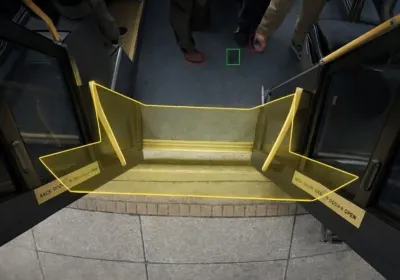

TAPTCO Updates OSHA Compliance Training for Transit Maintenance Operations
The revamped program addresses 26 OSHA standards for maintenance facilities, with TAPTCO pointing to training, documentation, and everyday shop hazards as continuing challenges for transit operations.
Read More →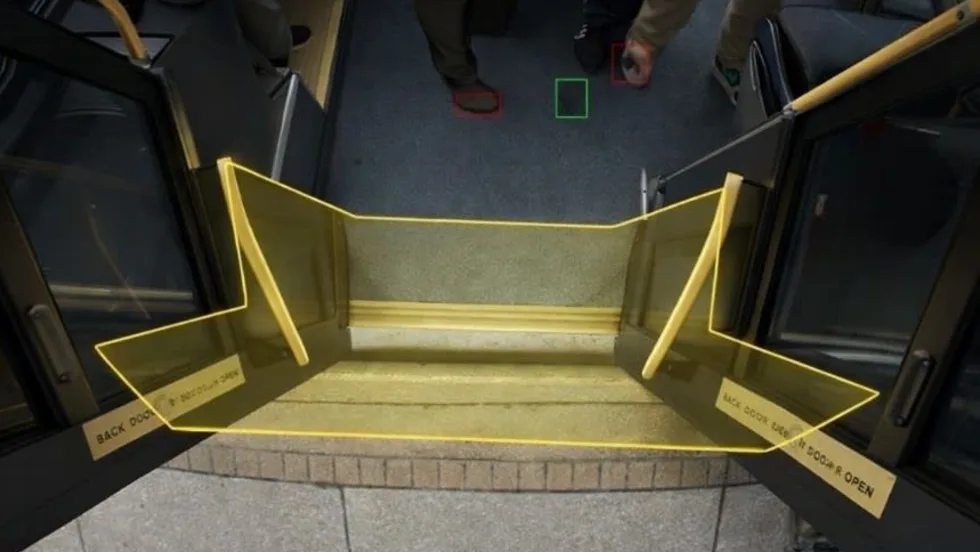
Sponsored•August 18, 2026
How VaporVision Adds Value to Transit Door Systems
Wabtec engineers explain how the system improves doorway detection, strengthens diagnostics and gives transit agencies and OEMs greater operating flexibility.
Read More →
FRA Announces $5.3B in Rail Investments, Including $2B for Amtrak
Funding will support grade-crossing improvements, infrastructure upgrades, and new Amtrak equipment in 23 states.
Read More →
Chicago, Maryland Expand Non-Law-Enforcement Safety, Rider Support
The CTA and MTA are launching new programs aimed at de-escalation, crisis response, rider assistance, and greater transparency.
Read More →
LA Metro, City of West Hollywood, and Partners Advance Smarter Bus Lane Enforcement
The award-winning partnership combines AI-powered detection with human oversight to improve bus reliability, accessibility, and enforcement efficiency.
Read More →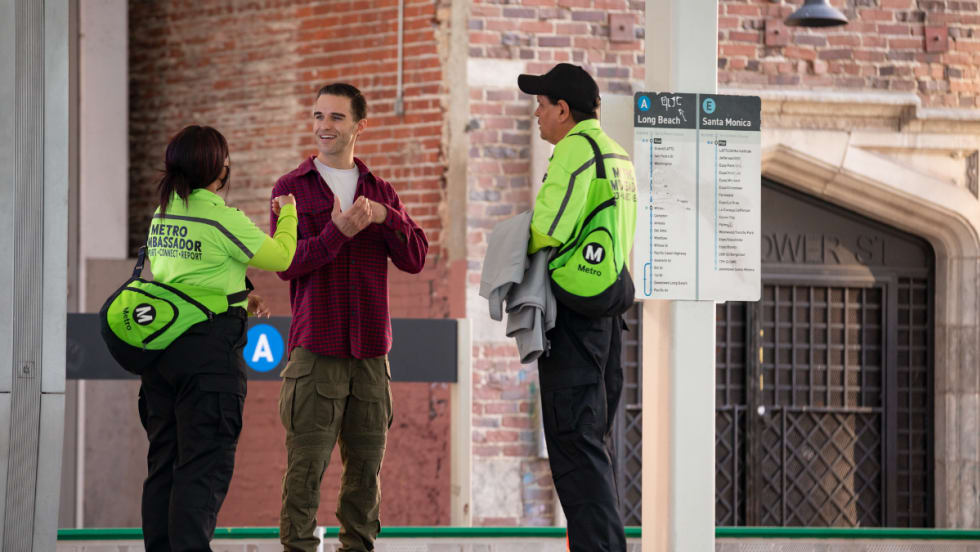
LA Metro Reports 57% Decline in Homelessness on Transit System Since 2024
The agency's latest homelessness count offers new data on how care-based services and cross-sector partnerships can complement traditional transit security strategies.
Read More →
FTA Launches 'Transit Moves America' Dashboard to Highlight Agency Safety and Performance
The online dashboard transforms National Transit Database information into a public-facing resource that allows users to compare transit agencies on key operational and safety metrics.
Read More →