




Safety in Mind: MBTA Releases Safety Improvement Plan
MBTA Approves $2.7B FY24 Budget
The budget allocates funding to increase the MBTA’s overall workforce to 7,643, which is 964 positions above what was budgeted for FY23.
June 9, 2023
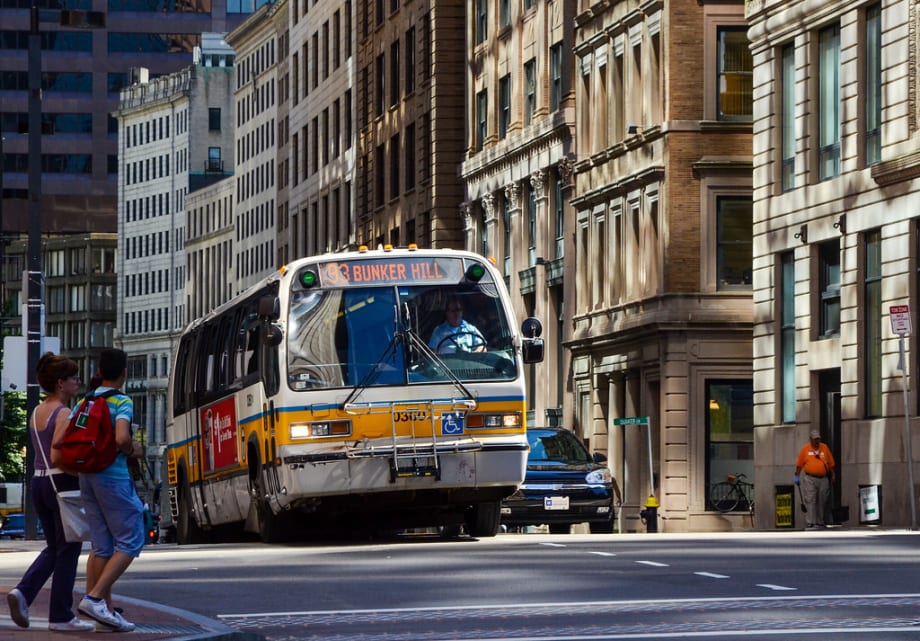
More than half of all new spending for FY24 is directly related to safety-related positions and represents an increase of more than four times over the prior year’s average.
Photo: Kevin Zolkiewicz/Flickr
3 min to read
The Massachusetts Bay Transportation Authority announced its Board of Directors voted to approve a $2.7 billion operating budget for fiscal year 2024 that will sustain levels of service while making strategic investments in safety, staffing, and hiring, key capital investments including station and accessibility needs, and design work required for a future connection of the Red and Blue lines.
What MBTA's Budget Means for Workforce
The budget allocates funding to increase the MBTA’s overall workforce to 7,643, which is 964 positions above what was budgeted for FY23.
The additional positions will support expanded capacity in several areas with a focus on the MBTA’s Safety Department and Operations.
Specifically, more than half of all new spending for FY24 is directly related to safety-related positions and represents an increase of more than four times over the prior year’s average.
“This budget reflects a series of investments that sharpen our focus on enhancing safety for our customers, workforce, contractors, and vendors,” said Phillip Eng, MBTA GM/CEO. “The T plays a vital role in connecting people to work, school, family, and friends, and I thank the Board of Directors for approving the FY24 budget. The priorities outlined here provide the means to make progress toward delivering the service our customers deserve and the level of safety – across the entire system – they expect.”
The T’s FY24 budget also includes $68 million to support the T’s response to the Federal Transit Administration’s Safety and Management Inspection report, with $44 million of that total devoted to 455 new operating budget positions, including key areas such as rail yard and maintenance facility safety (153 positions), track maintenance (97 positions), and enhanced staffing at the Operations Control Center (49 positions), among others.
Fundin Opportunities in the Budget
The budget is also aligned with goals set forth by the Healey-Driscoll Administration, including:
The allocation of $181 million in new, one-time funding for investments in bridge rehabilitation, station and accessibility improvements, and advancing design of the Red-Blue Connector project.
$5 million in new, one-time funding to study the feasibility of implementing a means-tested fare program to expand affordability.
Support for the new Chief Safety Officer for MassDOT and the MBTA, with responsibility for overall safety across all modes of transportation.
“This budget strikes a balance between building critical staffing capacity around safety while maintaining our commitment to operating new and future services like the Green Line Extension and South Coast Rail,” said Chief Administrative Officer David Panagore. “I want to express my gratitude to our stakeholder groups for their insight and thank Chief Financial Officer Mary Ann O’Hara and the MBTA’s finance team for their diligence in developing a budget that truly reflects the T’s top priorities for the coming fiscal year.”
More Management

COTA Launches First Customer Experience Action Plan to Improve Transit Service
The new plan outlines improvements to service reliability, accessibility, communication, and the overall rider experience across Central Ohio's transit system.
Read More →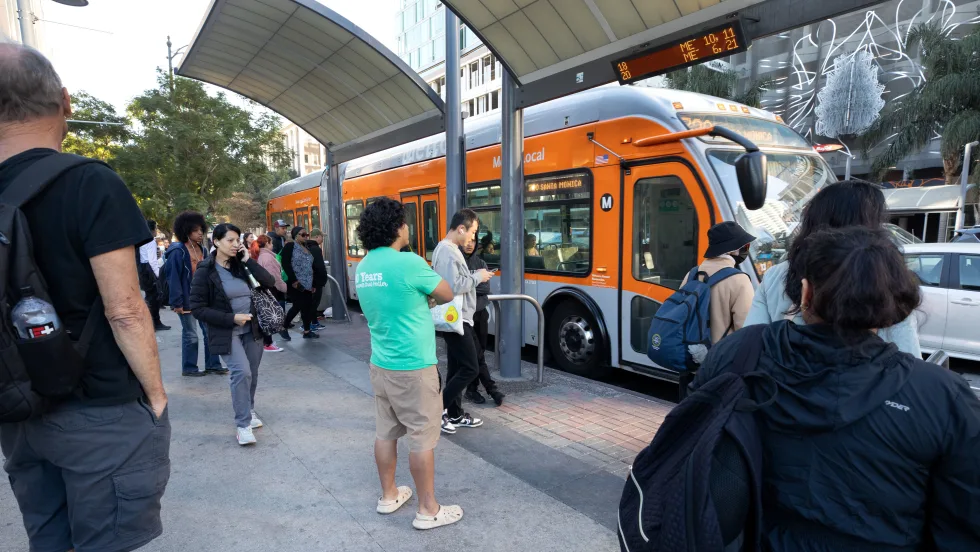
LA Metro September Ridership Climbs 3.9%, Led by Rail Growth
The agency recorded more than 27.2 million boardings, with rail ridership increasing 12.4% year over year and the D Line posting the largest gains.
Read More →
Utilimarc Launches SmartReplace to Optimize Fleet Replacement Decisions
AI-powered SmartReplace helps fleets prioritize vehicle replacements, model budget scenarios, and build more defensible long-term strategies.
Read More →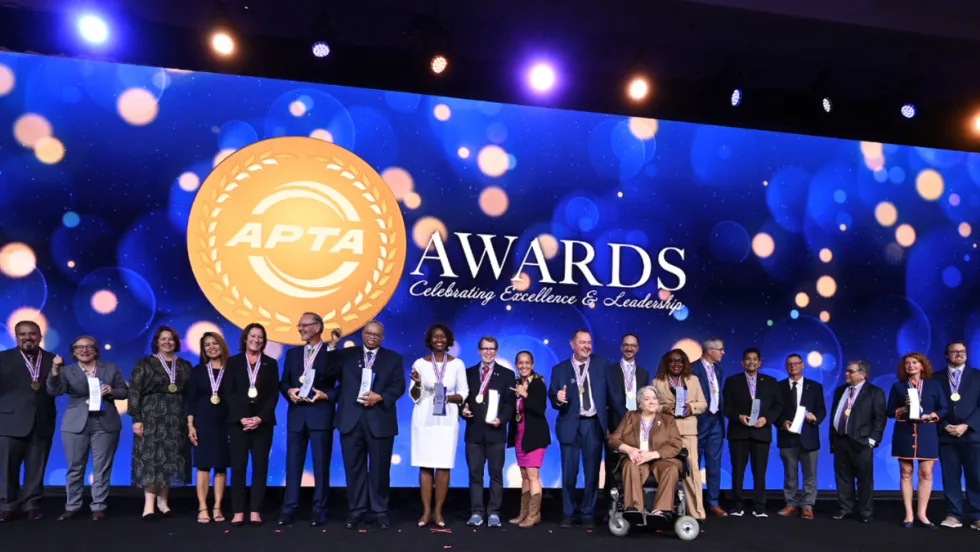
APTA Honors 2026 Award Winners, Hall of Fame Inductees at TRANSform & EXPO
Innovations in autonomous and zero-emission transportation, standout transit systems, and industry leadership took center stage among this year's honorees.
Read More →
7 Ways to Build a Better Transit Internship Program
Lessons from DRPA/PATCO’s approach to creating a meaningful internship experience—and developing the next generation of transportation professionals.
Read More →
Scenes from APTA TRANSform & EXPO 2026
Transit leaders, manufacturers, and industry professionals gathered in Chicago to explore new technologies, share ideas, and discuss the future of public transportation.
Read More →
Building Stronger Leaders, More Resilient Transit Teams
Dr. Carol Parker Walsh discusses leadership development, employee retention, workplace culture, and preparing transit’s workforce for AI and automation.
Read More →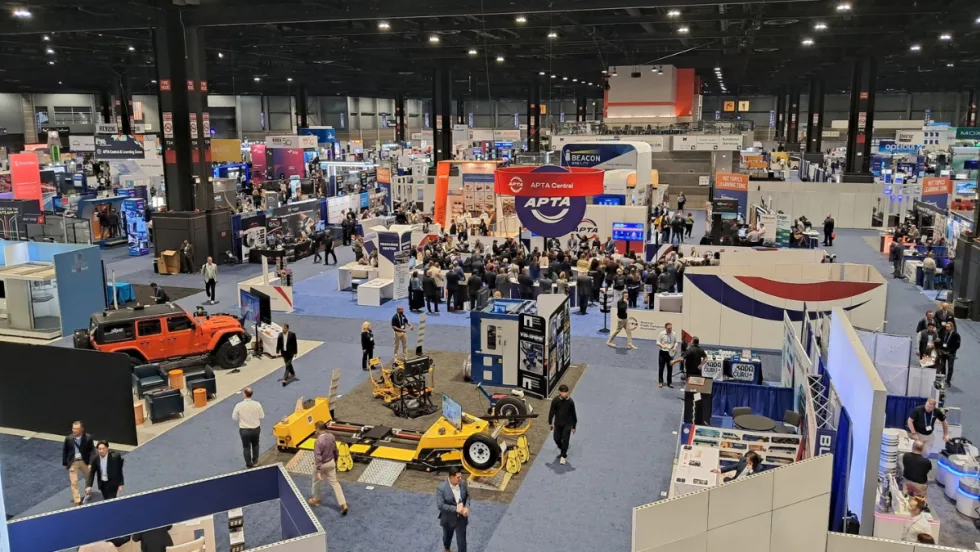
APTA 2026 TRANSform & EXPO Kicks Off in Chicago
After 45 years, APTA returns to Chicago with a focus on next-generation fleets, AI, connected transit networks, and the funding strategies shaping public transportation’s future.
Read More →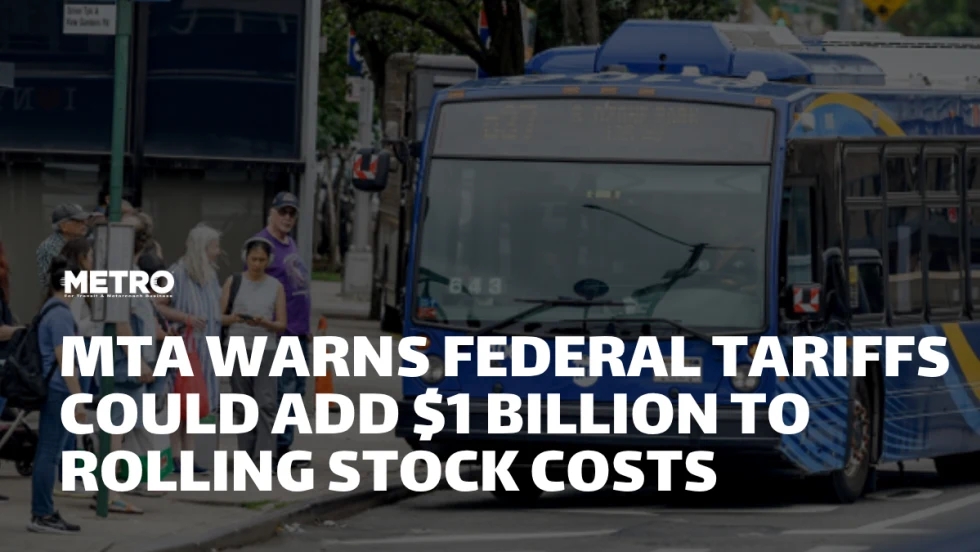
New York MTA Warns Federal Tariffs Could Add $1 Billion to Rolling Stock Costs
The agency said tariffs on specialized imported components could reduce the purchasing power of its $23 billion investment in new subway cars, railcars, and buses.
Read More →
From the Show Floor: What Happened at APTA TRANSform & EXPO 2026
See the latest product launches, partnerships, technology updates, and transit industry announcements from APTA TRANSform & EXPO in Chicago.
Read More →