




Read More: New York MTA Highlights Ridership Gains on LIRR, Metro-North Railroad
MTA Announces Preliminary Investigation Findings of LIRR Derailment
The investigation indicates that the train derailed after traveling eastbound over a switch intended for a straight move that was in fact misaligned for a diverging route.
August 14, 2023
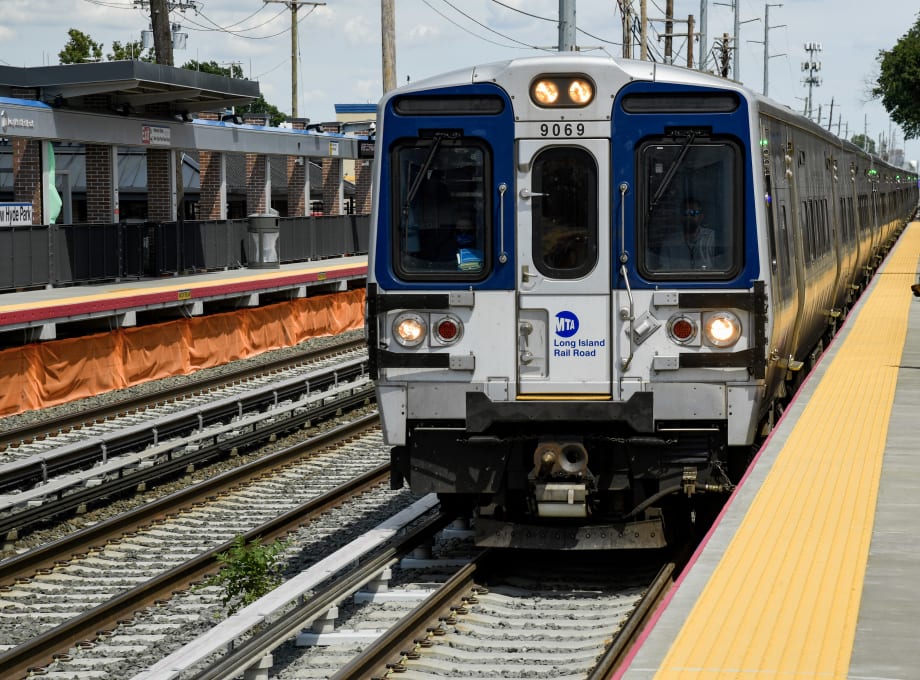
The MTA and LIRR continue to investigate the incident as does the Federal Railroad Administration.
Photo: MTA
2 min to read
The New York Metropolitan Transportation Authority (MTA) announced that Long Island Rail Road (LIRR) officials provided an update on the ongoing investigation into the Aug. 3 derailment of an eight-car passenger train east of Jamaica that resulted in 13 non-life-threatening injuries.
The investigation indicates that the train, which was carrying 55 customers as it navigated a complex set of switches known as Hall Interlocking, derailed after traveling eastbound over a switch intended for a straight move that was in fact misaligned for a diverging route.
Prior to the derailment, LIRR conducted a required monthly inspection of the switch, and it is believed that the switch did not properly realign upon completion of the inspection.
This condition was not detected prior to the derailment because of a previously unknown vulnerability in the switch’s wiring configuration, which resulted in the train dispatcher’s display showing that the route was properly aligned when it was, in fact, not.
The MTA and LIRR continue to investigate the incident as does the Federal Railroad Administration.
The first train to travel across the misaligned switch came through at 11:12 a.m. It was train number 722, which was the 10:43 a.m. departure from Grand Central Madison due to terminate at Hempstead at 11:37 a.m. Traveling 54 miles per hour with signals aligned for a straight route, the train was traveling six miles per hour slower than the maximum allowable speed.
“Safety is the bedrock principle for everything we do at LIRR, and our core value as transportation professionals,” said Catherine Rinaldi, interim president of the Long Island Rail Road. “This incident has exposed a unique and previously unknown localized vulnerability that has been rectified. This incident has prompted us to enhance our switch inspection processes to improve the safety of the railroad going forward.”
Actions Taken After Derailment
Following the derailment, the switch was rebuilt and reconfigured to correct the wiring configuration issue.
The LIRR took immediate steps to ensure the systemwide safety of the railroad by immediately conducting thorough assessments of all 1,045 switches on the property and determined that this wiring and switch configuration was unique to the specific location.
Enhanced routine inspection procedures were also developed and implemented as a result of the incident.
More Rail
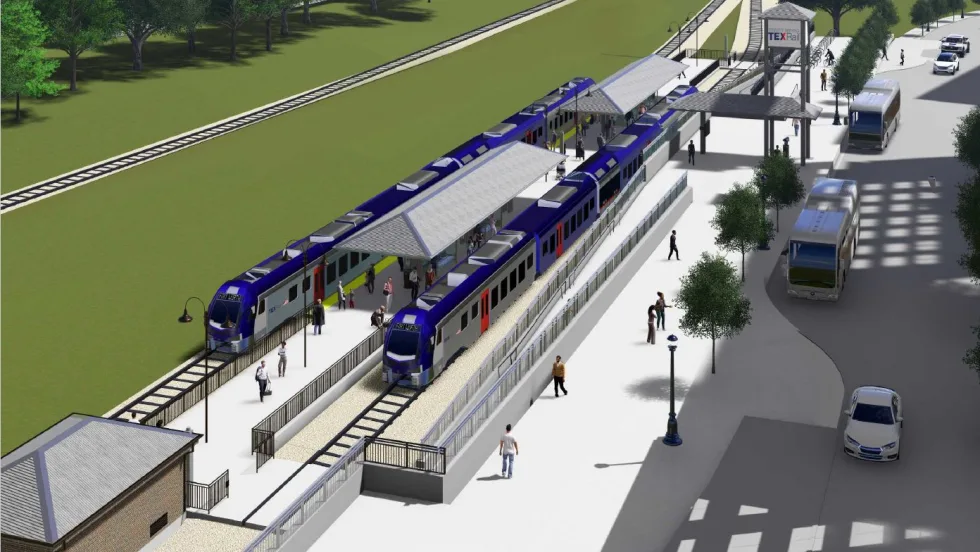
Trinity Metro Breaks Ground on $270M TEXRail Extension
The 2.1-mile extension will connect Fort Worth’s Medical District and Near Southside to downtown, surrounding communities, and Dallas-Fort Worth International Airport.
Read More →
Bringing Austin’s First Light Rail System to Life
Austin Transit Partnership CEO Greg Canally discusses the city's nearly 10-mile light rail project, its collaborative approach to project delivery, the importance of community engagement, and the milestones ahead as construction approaches in 2027.
Read More →
Metra Draft Plan Outlines Costs, Service Improvements for Regional Rail
The Systemwide Network Plan identifies infrastructure needs and potential investments to expand all-day, bidirectional rail service across the Chicago region.
Read More →
Amtrak Completes First Street Tunnel Upgrades, Restores Service
The nine-day construction project included replacing aging track infrastructure and modernizing switch systems near Washington Union Station.
Read More →
FRA Announces $2.3B for Passenger, Freight Rail Projects Nationwide
The CRISI Grant Program funding will support rail infrastructure improvements, safety upgrades, and projects aimed at improving freight and passenger rail service across 45 states and Washington, D.C.
Read More →
Caltrain’s Electrification Drives a New Era of Ridership Growth
The railroad’s shift to electric service has brought more frequent trains, stronger customer satisfaction, and increased ridership, earning it APTA’s Outstanding Public Transportation System award.
Read More →
FTA Advances $164M Broward County Commuter Rail Project
The proposed 10.5-mile commuter rail extension would connect Fort Lauderdale and Aventura, expanding passenger rail options in South Florida.
Read More →
New York MTA Launches Historic $1.9B Signal, Track Modernization Project
Funded in part by congestion pricing revenue, the project will replace nearly century-old signals along the A and C lines in Brooklyn and Queens.
Read More →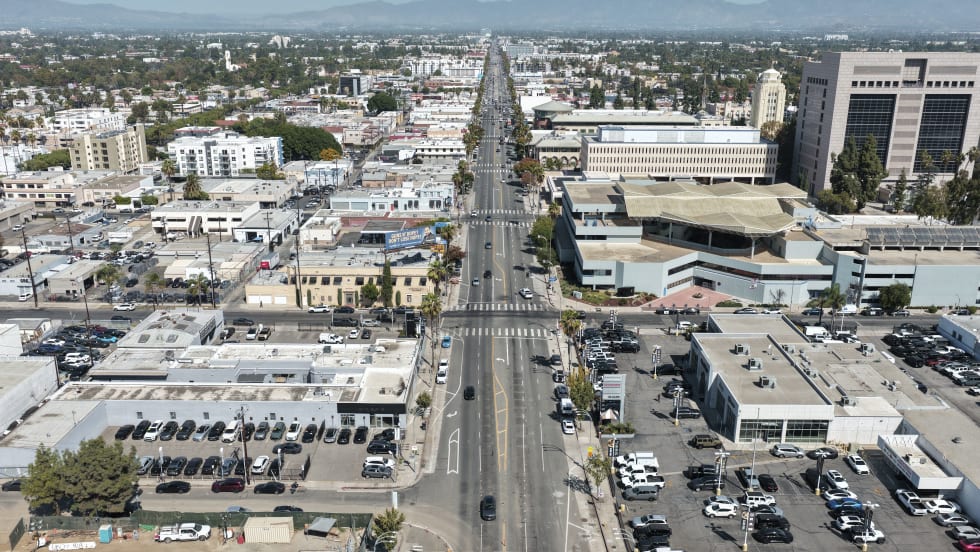
LA Metro Breaks Ground on East San Fernando Valley Light Rail Project
The 6.7-mile line will add 11 stations along Van Nuys Boulevard, expand access to jobs and regional transit connections, and support Metro’s broader efforts to improve mobility as rail ridership grows.
Read More →
CSA Group Releases Climate Resilience Standard for Transit, Passenger Rail
Developed with support from the Standards Council of Canada, CSA D700 guides assessing climate-related risks and planning adaptation measures for transit and passenger rail systems.
Read More →