



New APTA Report Reveals How Public Transit Users Can Save Money
According to APTA’s Fare Database, monthly public transit fare prices have not increased since 2020 while prices for new and used cars have increased since the pandemic, and financing costs have increased due to interest rate hikes.

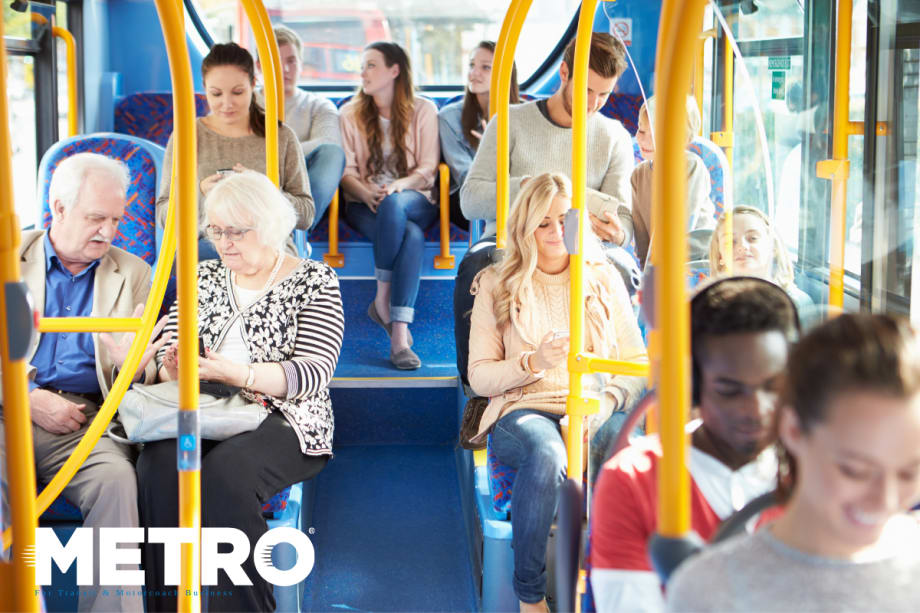
By eliminating one car and taking public transportation instead of driving, a saving of 30% of carbon dioxide emissions can be realized.
Photo: Canva
The American Public Transportation Association's (APTA) most recent Transit Savings report shows that individuals who ride on public transportation instead of driving can save more than $13,000 a year, or $1,100 a month, because of increases in auto costs and gasoline prices.
According to APTA’s Fare Database, monthly public transit fare prices have not increased since 2020 while prices for new and used cars have increased since the pandemic, and financing costs have increased due to interest rate hikes. Gasoline prices have also spiked due to constricted supply and added demand.
By eliminating one car and taking public transportation instead of driving, a saving of 30% of carbon dioxide emissions can be realized.
“As the rising cost of living continues to impact U.S. households, public transportation offers an economical and climate-friendly alternative to reduce daily expenses,” said APTA President/CEO Paul P. Skoutelas. “By choosing to ride public transit, individuals can significantly cut down on their monthly transportation expenses. Whether it’s commuting to work, running errands, or keeping appointments, public transit is a practical and budget-friendly choice.”
More Details from APTA Report
Since 2019, the average transaction price of purchasing a new car has risen by more than $11,000, an increase of more than 30%. For used cars, the average price has risen over $8,000, or 40%.
Gasoline prices are also having an impact. In 2023, gas prices have risen 25% to $4.00 per gallon, as of Sept. 18.
These savings calculations are predicated upon a comprehensive analysis comparing the costs associated with commuting via public transportation versus the expenses linked to vehicle ownership, vehicle operation, and parking costs.
Factors considered include the national and state average gasoline price per gallon as reported by AAA.
More Management

Bringing Austin’s First Light Rail System to Life
Austin Transit Partnership CEO Greg Canally discusses the city's nearly 10-mile light rail project, its collaborative approach to project delivery, the importance of community engagement, and the milestones ahead as construction approaches in 2027.
Read More →
ETA CEO John Maglio on Transit Technology, Innovation, and Building Agency Trust
ETA founder and CEO John Maglio explores the evolution of transit technology, the importance of reliable systems, and how stronger partnerships can help agencies improve operations and the passenger experience.
Read More →
Metra Draft Plan Outlines Costs, Service Improvements for Regional Rail
The Systemwide Network Plan identifies infrastructure needs and potential investments to expand all-day, bidirectional rail service across the Chicago region.
Read More →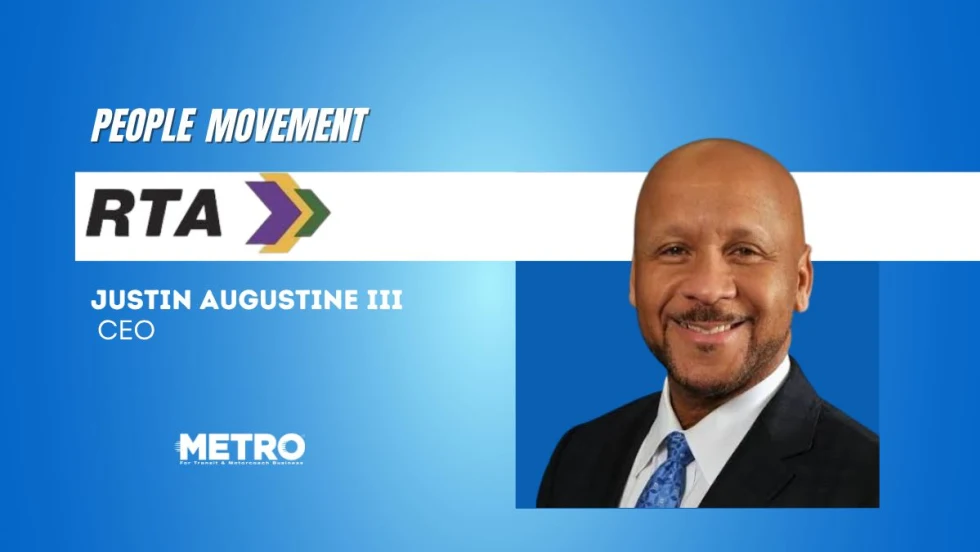
New Orleans RTA Names Augustine III as New CEO
In this edition, we also spotlight recent personnel moves at HDR, PATH, STV, and more, highlighting the people taking on new roles across the transportation industry.
Read More →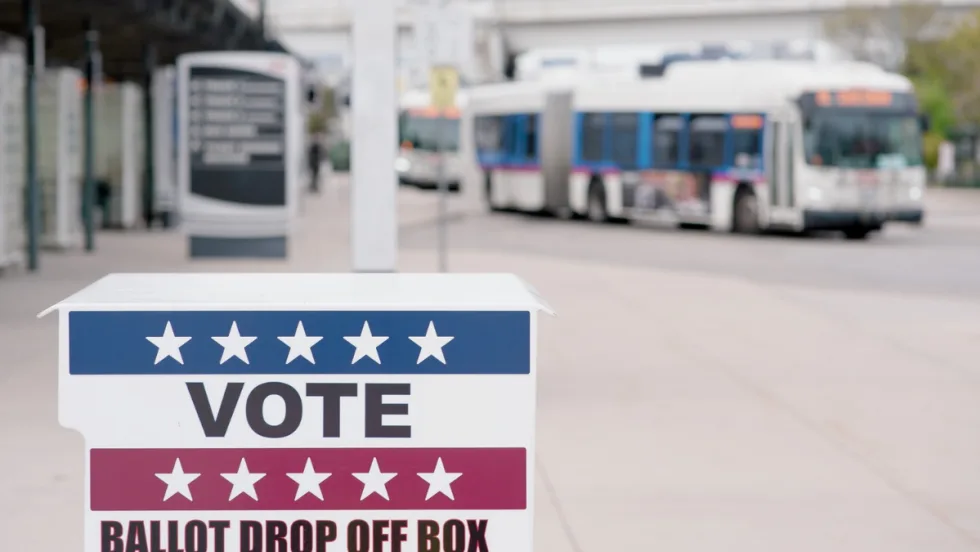
How Transit Agencies Are Using Free Rides to Improve Voting Access
Transit agencies are using fare-free service, trip-planning tools, and targeted rides to improve voting access. See what other agencies can learn from these efforts.
Read More →
Caltrain’s Electrification Drives a New Era of Ridership Growth
The railroad’s shift to electric service has brought more frequent trains, stronger customer satisfaction, and increased ridership, earning it APTA’s Outstanding Public Transportation System award.
Read More →
Chicago, Charlotte Transit Agencies Expand Rider Support Programs
CTA launched crisis intervention teams as CATS prepares to deploy fare ambassadors, expanding customer assistance and security efforts across both systems.
Read More →
New York MTA Launches Historic $1.9B Signal, Track Modernization Project
Funded in part by congestion pricing revenue, the project will replace nearly century-old signals along the A and C lines in Brooklyn and Queens.
Read More →
Brian Dickson on Building Stronger, More Resilient Transportation Organizations
Bus Business Consultants Founder Brian Dickson discusses the leadership principles, operational discipline, and strategic planning that separate transportation companies positioned for long-term success from those stuck in survival mode.
Read More →
LA Metro Breaks Ground on Vermont BRT Project
The 12.4-mile corridor is projected to serve 66,200 daily riders, reduce travel times by up to 24%, and create the nation's busiest bus rapid transit corridor.
Read More →