



Caltrain Retires 32 Diesel Passenger Railcars as Electrification Nears
Caltrain currently has eight of the eventual 23 electric trainsets on its property.

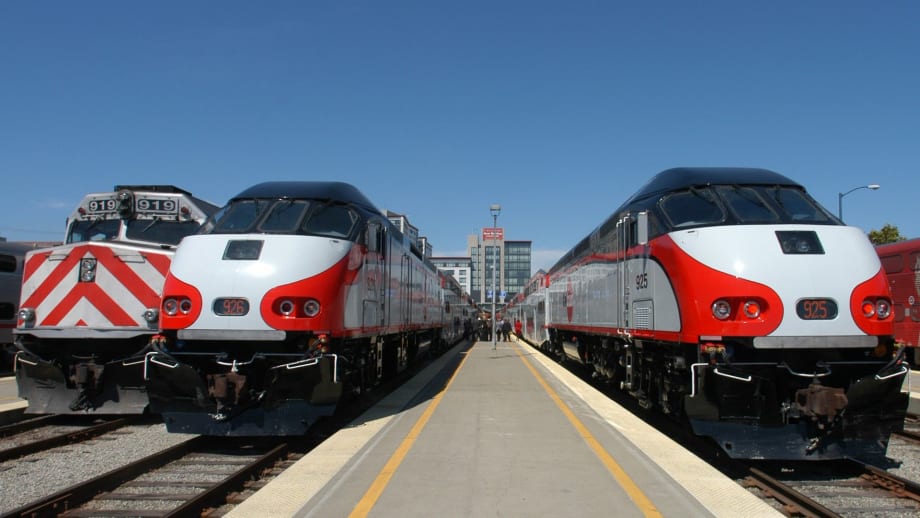
Caltrain had to begin relocating older vehicles to ensure there was enough room for both the new electric equipment and standard operations.
Photo: Caltrain
San Carlos, California’s Caltrain shipped 32 of its nearly 40-year-old gallery cars to Sonoma as the agency makes room for its new electric fleet.
The cars will travel through Warm Springs, Jack London Square, and the Carquinez bridge before being stored in Petaluma with Sonoma-Marin Area Rail Transit (SMART) until they will be put up for sale and a buyer is found.
Making Room for Electric
Caltrain currently has eight of the eventual 23 electric trainsets on its property. As additional electric trainsets make their way to Caltrain’s Central Equipment Maintenance and Operations Facility (CEMOF), Caltrain had to begin relocating older vehicles to ensure there was enough room for both the new equipment and standard operations. The gallery cars were not in service, and their retirement will not affect Caltrain service.
The passenger cars were built in San Francsico by Nippon Sharyo and first started rolling down the Caltrain corridor in 1985, when the agency was still operated by Caltrans. They have served millions of riders over their nearly 40 years of service and have supported the growth of Caltrain and the surrounding region over the years.
Caltrain hosted a small event for the public and rail fans at the Santa Clara Station Historic Rail Museum to send off the trains. The rest of the Nippon Sharyo passenger cars will be retired at the start of electrified service in fall 2024.
Caltrain’s Electrification Project
Caltrain’s historic Electrification Project is the first undertaking in North America in a generation in which diesel trains and their infrastructure components are transitioned to an electrified system. Electrification means faster and more frequent service, including doubling the frequency on weekends.
The passenger experience will also be greatly improved, with the new trains featuring Wi-Fi, power outlets at every seat, onboard displays with digital trip information, and increased storage capacities.
Electrification will also help meet ambitious regional and state climate action goals by lowering greenhouse gas emissions, improving air quality, and relieving traffic congestion.
Additionally, electrified service will advance equity along the corridor by reducing noise and air pollution while increasing access for priority equity communities. It will also set the framework for California’s future high-speed rail network that will run on the Caltrain corridor.
The proposed electrification service plan would see weekday peak hour trains go to 79 stations per hour, an increase from the current 66. Eleven stations would experience four train arrivals hourly per direction, a notable improvement from seven stations currently. Midday trains would cover 44 stations per hour, up from 34 today.
More Rail

New York MTA Advances Final Contract for Second Avenue Subway Expansion
Contract Four is the largest in the Second Avenue Subway Phase 2 project and includes construction of station infrastructure, tracks, and signals for the subway expansion, MTA officials said. Work on Contract Four will begin in 2027.
Read More →
San Diego MTS Breaks Monthly Trolley Ridership Record
Agency officials said July’s ridership indicates MTS’s continued recovery from the pandemic.
Read More →
Report Examines NJ TRANSIT Reliability, Funding Challenges
The Garden State Initiative analysis examines the roles of Amtrak infrastructure, fleet management, and agency operations while recommending a more performance-based approach to improving reliability.
Read More →
Stadler, CapMetro Sign Long-Term Rail Fleet Support Agreement
Beginning in 2027, Stadler will provide on-site technical expertise, spare parts support, training, and obsolescence management to help extend the reliability and longevity of CapMetro’s GTW fleet.
Read More →
Biz Briefs: Alstom Lands Canadian Contract, LYT to Supply California TSP, and More
In METRO's latest installment, we take a look at recent news from Complete Coach Works, Beep, FlixBus, and more partnerships making headlines across the transportation sector.
Read More →
CATS Gold Line Marks 5 Years of Service, 2.8M Passenger Trips
With a six-mile expansion planned, the Charlotte streetcar is positioned to connect more neighborhoods and major transit hubs across the region.
Read More →
Why Simulating Pedestrian Movement Has Become Essential for Modern Rail Stations
Pedestrian microsimulation is helping rail planners identify bottlenecks, test station designs, and prepare complex transit hubs for growing passenger volumes.
Read More →
Amtrak Begins Major Construction at New York’s Sunnyside Yard
The new maintenance facility will support Amtrak’s Airo trainsets while improving maintenance efficiency and turnaround times in New York.
Read More →
Chicago Leaders Unveil Plans for O’Hare Airport Express Train
The privately developed project would offer a 15-minute trip between downtown and O’Hare’s Terminal 2, with trains operating every 15 minutes on a dedicated track. The service would use battery-electric trains and three existing freight rail rights-of-way.
Read More →
OCTA Maps Out 30-Year Strategy to Protect Coastal Rail Corridor
The draft feasibility report identifies strategies to protect the coastal rail line for decades as the agency continues near-term stabilization and sand placement efforts.
Read More →