The reopening of Glenmont, Wheaton, Forest Glen, and Silver Spring marks the end of Red Line rehabilitation work that was completed while the Maryland Transit Administration built part of a new Purple Line mezzanine at Silver Spring.
The reopening of Glenmont, Wheaton, Forest Glen, and Silver Spring marks the end of Red Line rehabilitation work that was completed while the Maryland Transit Administration (MTA) built part of a new Purple Line mezzanine at Silver Spring.
Ad Loading...
MTA’s Purple Line Work Continues
Purple Line mezzanine work will continue on the platform at Silver Spring with scaffolding covering about one-third of the platform, but the WMATA station will be open for customers.
During the summer, Purple Line crews built columns that will support the walkway from the Purple Line station over the tracks to the WMATA Red Line platform.
Completed Construction Work
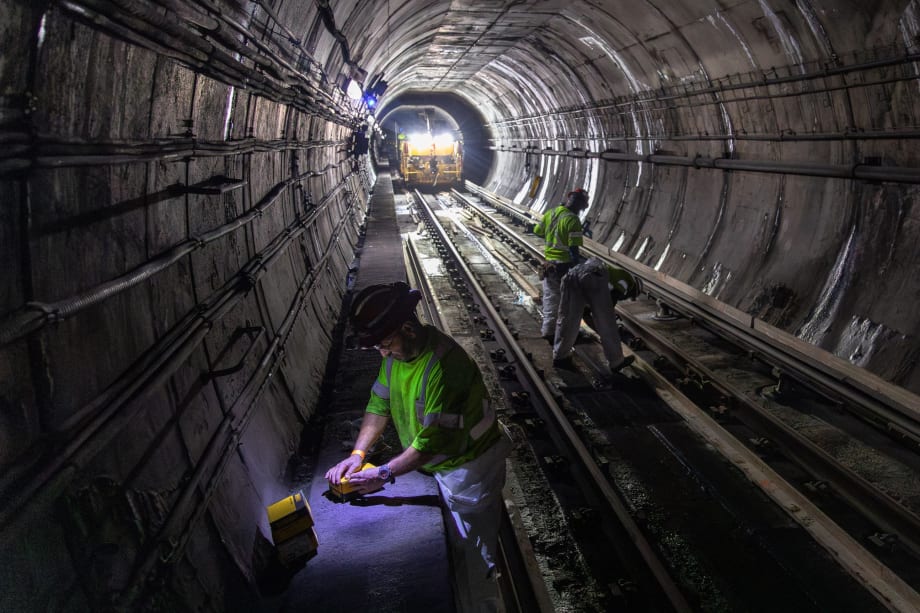
During the construction, WMATA crews:
Replaced 6,500 feet of rail.
Replaced 6,000 feet of grout pads, which improve ride quality.
Repaired 857 areas for leak mitigation.
Restored 1,350 square feet of concrete.
Installed 102,000 feet of fiber optic cable for communications.
Replaced 183 track signs.
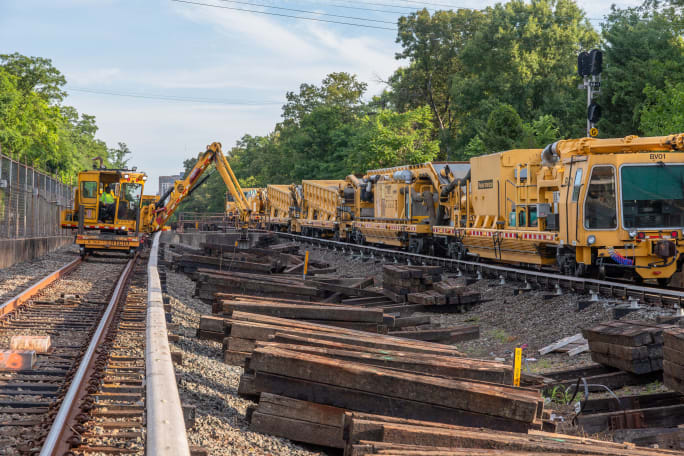
Replaced 2,500 crossties that support the rails.
Replaced 1,000 fasteners that hold the rail to the grout pads.
Replaced six switch machines.
Replaced 12 train control processers.
Replaced 650 insulators that insulate electricity around the third rail.
Repaired 72,000 square feet of tile joints.
Cleaned 40,000 feet of track bed.
Cleaned 8,500 feet of drains.
Repaired sidewalks.
Replaced 354 signs on mezzanines, platforms, and entrances.
Painted 12,700 square-feet of interior and exterior surfaces.
Restriped parking and bus loop traffic directional arrows and crosswalks.
Additional work included replacing automatic train control systems, installing traction power cables, replacing drain pumping stations, replacing the tunnel standpipe, and maintaining the elevators and escalators.
Ad Loading...
Crews replaced crossties along the Red Line during the summer construction.
Photo: WMATA
Additional Work
WMATA also rebuilt an interlocking switch area between Fort Totten and Takoma before that stretch of track reopened in late June.
Crews were able to complete the equivalent of eight months of weekend closures and disruptions into the summer construction period.
Later this year, WMATA will install new digital passenger information displays on platforms and station entrance digital screens at all five stations. Supply chain issues held up installation during the construction window.
The 2.1-mile extension will connect Fort Worth’s Medical District and Near Southside to downtown, surrounding communities, and Dallas-Fort Worth International Airport.
Austin Transit Partnership CEO Greg Canally discusses the city's nearly 10-mile light rail project, its collaborative approach to project delivery, the importance of community engagement, and the milestones ahead as construction approaches in 2027.
The Systemwide Network Plan identifies infrastructure needs and potential investments to expand all-day, bidirectional rail service across the Chicago region.
The CRISI Grant Program funding will support rail infrastructure improvements, safety upgrades, and projects aimed at improving freight and passenger rail service across 45 states and Washington, D.C.
The railroad’s shift to electric service has brought more frequent trains, stronger customer satisfaction, and increased ridership, earning it APTA’s Outstanding Public Transportation System award.
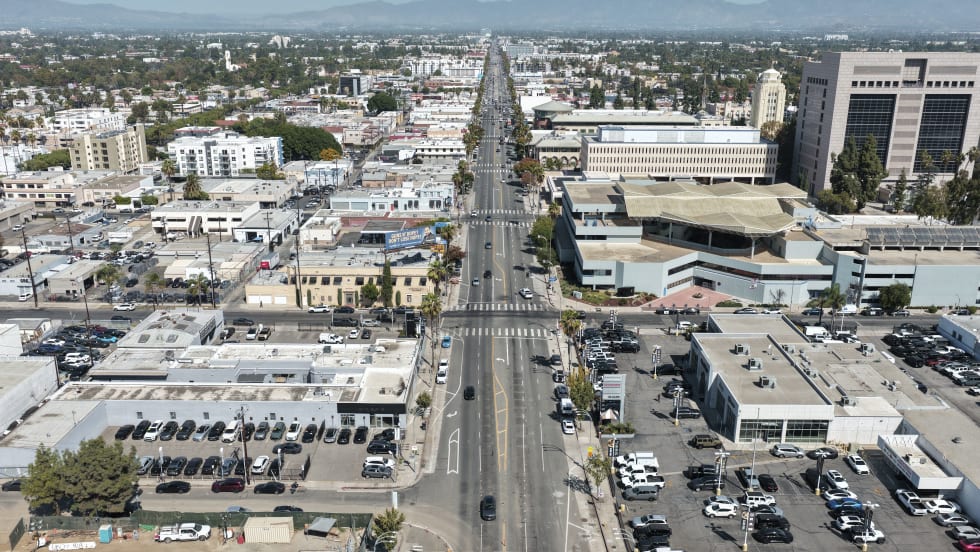
The 6.7-mile line will add 11 stations along Van Nuys Boulevard, expand access to jobs and regional transit connections, and support Metro’s broader efforts to improve mobility as rail ridership grows.
Developed with support from the Standards Council of Canada, CSA D700 guides assessing climate-related risks and planning adaptation measures for transit and passenger rail systems.