




Read More: San Diego MTS Board Approves Changes to Fare Enforcement
LA Metro Awarded $231M for Southeast Gateway Line
The Southeast Gateway Line will run between South Los Angeles/Saluson, City of Artesia, will connect Southeast Los Angeles Cities to City of Los Angeles.
October 24, 2024
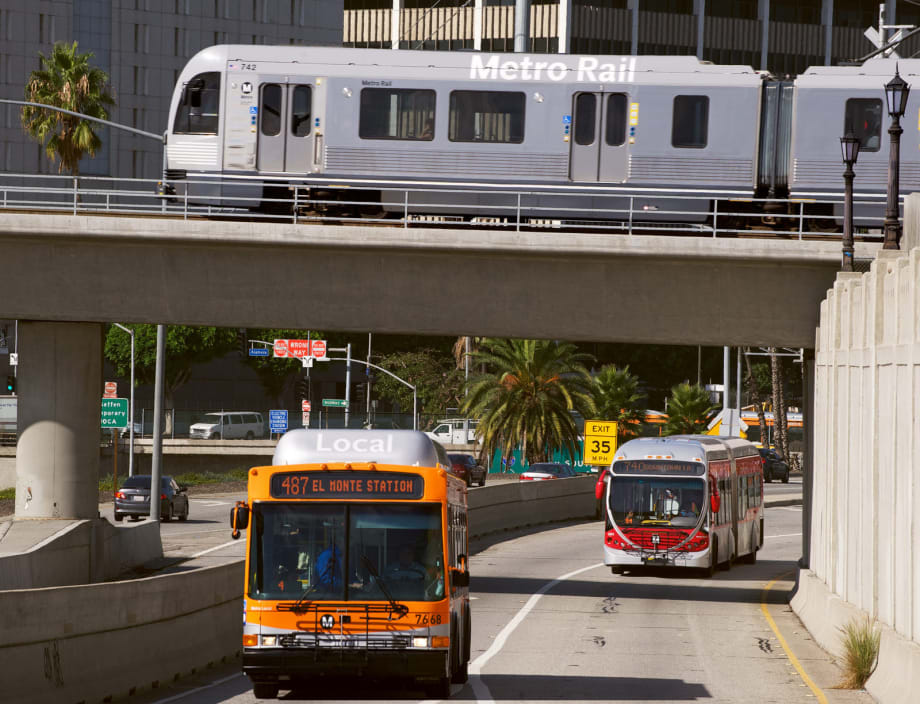
L.A. Metro's Southeast Gateway Line will help residents from Southeast Los Angeles County travel to and from the City of Los Angeles.
Photo: LA Metro
2 min to read
The Los Angeles County Metropolitan Transportation Authority (Metro) received word that they have been awarded $231 million by the California State Transportation Agency (CalSTA) from the Transit and Intercity Rail Capital Program for its Southeast Gateway Line.
The Southeast Gateway Line is a light rail line stretching 14.5 miles from the Slauson/A (Blue) Line Station to the City of Artesia providing a dependable alternative to driving for 2 million people in southeast LA County.
Making Connections
The Southeast Gateway Line will include nine stations extending from the Saluson A Line station located in the City of Los Angeles/Florence-Firestone unincorporated area of Los Angeles County to its southern terminus at the Pioneer Station located in the City of Artesia.
The line will pass through the cities of Bell, Bellflower, Cerritos, Cudahy, Downey, Florence-Firestone, Huntington Park, Los Angeles, Paramount, South Gate, and Vernon. The line will also include the new C Line station at the I-105 freeway.
The area is currently home to over 600,000 jobs, which is projected to increase to over 700,000 jobs by 2042.
There are also high projected population and employment densities in the area that are five times higher than LA County, with 44% of the population below the poverty line and 18% of households that do not own a car.
The area has several Environmental Justice Communities populated by a majority-minority community with 65% minority residents, with Hispanic/Latino groups alone accounting for 51%.
Access to the Regional Network
The project will provide direct connection to the Metro C Line (Green), Metro A Line (Blue), and LA County’s broader regional transit network.
Connecting this area to Metro’s rail network provides alternatives to driving and improves accessibility to jobs and job-related opportunities, as well as medical facilities, institutions of higher education, and other places of interest.
“Metro would like to thank Governor Newsom for his commitment to funding projects that will help California reach its climate goals and CalSTA Secretary Omishakin for his leadership on transportation and transit investments,” said Metro CEO Stephanie Wiggins. “For too long, Angelenos in southeast LA County have been disconnected from Metro’s rail system, but with these additional funds, we move closer to giving Southeast LA and Gateway City residents a world-class light rail line to serve this growing area of our County.”
More Rail

Stadler, CapMetro Sign Long-Term Rail Fleet Support Agreement
Beginning in 2027, Stadler will provide on-site technical expertise, spare parts support, training, and obsolescence management to help extend the reliability and longevity of CapMetro’s GTW fleet.
Read More →
Biz Briefs: Alstom Lands Canadian Contract, LYT to Supply California TSP, and More
In METRO's latest installment, we take a look at recent news from Complete Coach Works, Beep, FlixBus, and more partnerships making headlines across the transportation sector.
Read More →
CATS Gold Line Marks 5 Years of Service, 2.8M Passenger Trips
With a six-mile expansion planned, the Charlotte streetcar is positioned to connect more neighborhoods and major transit hubs across the region.
Read More →
Why Simulating Pedestrian Movement Has Become Essential for Modern Rail Stations
Pedestrian microsimulation is helping rail planners identify bottlenecks, test station designs, and prepare complex transit hubs for growing passenger volumes.
Read More →
Amtrak Begins Major Construction at New York’s Sunnyside Yard
The new maintenance facility will support Amtrak’s Airo trainsets while improving maintenance efficiency and turnaround times in New York.
Read More →
Chicago Leaders Unveil Plans for O’Hare Airport Express Train
The privately developed project would offer a 15-minute trip between downtown and O’Hare’s Terminal 2, with trains operating every 15 minutes on a dedicated track. The service would use battery-electric trains and three existing freight rail rights-of-way.
Read More →
OCTA Maps Out 30-Year Strategy to Protect Coastal Rail Corridor
The draft feasibility report identifies strategies to protect the coastal rail line for decades as the agency continues near-term stabilization and sand placement efforts.
Read More →
The Business Voice Behind Public Transportation
As chair of APTA’s Business Members Board of Governors, Ray Melleady explains how more than 850 business members are partnering with transit agencies to advance funding, innovation, and industry-wide collaboration.
Read More →
FRA Announces $5.3B in Rail Investments, Including $2B for Amtrak
Funding will support grade-crossing improvements, infrastructure upgrades, and new Amtrak equipment in 23 states.
Read More →
Finding the ‘Happy Medium’: Optimizing Maintenance Without Sacrificing Reliability
The key to maintenance optimization isn’t doing less work—it’s doing the right work at the right time on the right assets.
Read More →