



SacRT, Partners to Debut New Fare Payment, Discount Program for Veterans
SacRT’s six-month pilot program will provide discount fares for up to 60,000 eligible military veterans residing in the Sacramento region. The discount aims to recognize and support those who have served our country.


Feedback will be gathered by SacRT from participating military veterans to assess the program’s impact and viability for long-term implementation.
Photo: Canva
Starting in early 2025, the Sacramento Regional Transit District (SacRT) will introduce its first-ever discount fare program for veterans as part of a new “Tap2Ride” Digital Identity service in partnership with the California Department of Technology (CDT) and the California Integrated Travel Project (Cal-ITP).
SacRT’s six-month pilot program will provide discount fares for up to 60,000 eligible military veterans residing in the Sacramento region. The discount aims to recognize and support those who have served our country.
“We are on the cusp of something very exciting here — the planned discount fares for military veterans are a first at SacRT and are a long time coming,” SacRT GM/CEO Henry Li said. “In this modern era, fare payments are going to get a lot easier because they are integrated into our customers’ everyday lives. You simply use the card you already have in your wallet or purse.”
Preparing for the Transition
While the program will officially launch early next year when all the new tap devices are installed onboard buses and at light rail stations, military veterans can begin the pre-registration process now at the state website, which is connected to the federal Department of Veterans Affairs database for easy eligibility verification.
“We are very excited to implement this discount for those who have served our country,” said SacRT Board Chair Patrick Kennedy. “This initiative is just one of many ways we are working with the state to make transit more accessible and affordable.”
Benefits of the Program
Starting next year when SacRT has the “Tap2Ride” system in place, seniors aged 65 and older will also benefit from the inclusion of a digital identification framework when they register their credit or debit card.
Although seniors aged 62 and older are eligible to receive discount fare under SacRT’s approved fare structure, the age qualification for senior citizenship in the State of California is 65. That system taps into the federal Social Security Administration database to confirm eligibility and provides greater security while protecting the personal information of those using the system.
Once launched, the discount program will serve as a trial period, during which SacRT will conduct a Title VI analysis to ensure the program benefits low-income and minority riders. Feedback will be gathered from participating military veterans to assess the program’s impact and viability for long-term implementation.
The new “Tap2Ride” program aims to make fare payment easier, faster, and more accessible for all riders, allowing them to pay for bus and light rail fares with just a tap of their credit or debit cards that are pre-registered through the Digital ID Framework.
SacRT riders who prefer to continue using their existing fare payment methods such as Connect Card or ZipPass will have that option as well.
What’s Next?
As part of this initiative, SacRT is also planning to integrate all fare payment methods into a single unified system over the next year, providing a streamlined experience for all passengers.
The move will allow passengers to benefit from features like “fare capping,” which automatically calculates the lowest fare based on the number of rides taken in a day.
More Technology
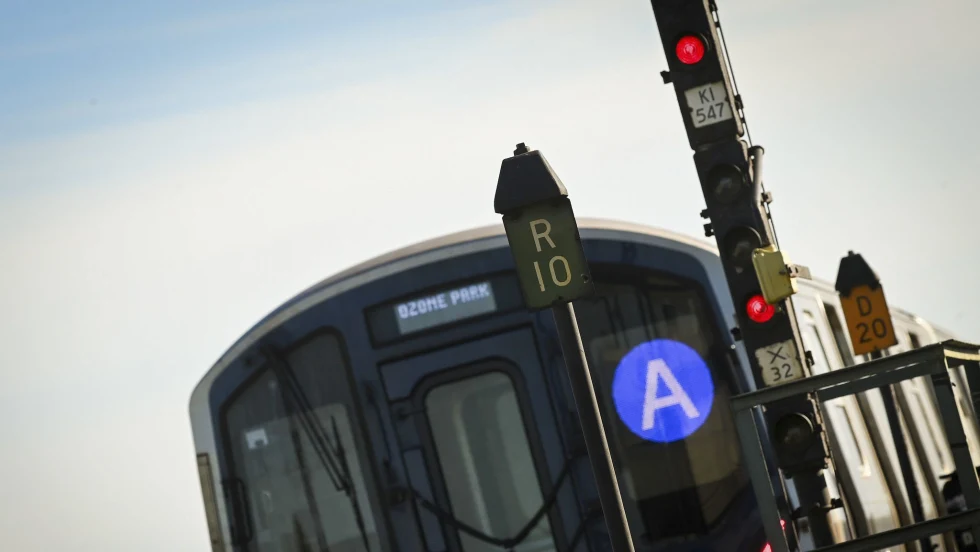
New York MTA Launches Historic $1.9B Signal, Track Modernization Project
Funded in part by congestion pricing revenue, the project will replace nearly century-old signals along the A and C lines in Brooklyn and Queens.
Read More →
Biz Briefs: New Electric Offering from Alexander Dennis/Volvo, Transdev in Boston, and More
In METRO's latest installment, we also take a look at recent news from STV, WSP, Prevost, and more partnerships making headlines across the transportation sector.
Read More →
Roman Cornell on ABC Companies’ Evolution and the Future of Passenger Transportation
The company’s CEO discusses carrying forward a third-generation family legacy, ABC’s continued evolution in passenger transportation, support for increasingly complex fleets, and how technology and continued investment could help operators improve uptime.
Read More →
ETA CEO John Maglio on Transit Technology, Innovation, and Building Agency Trust
ETA founder and CEO John Maglio explores the evolution of transit technology, the importance of reliable systems, and how stronger partnerships can help agencies improve operations and the passenger experience.
Read More →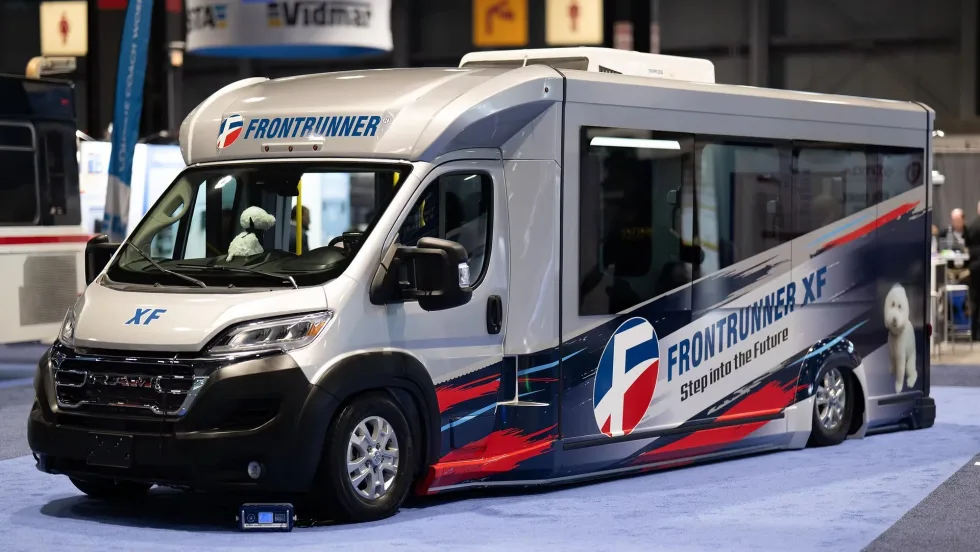
Frontrunner Bus Group Introduces XF Low-Floor Bus with Enhanced Accessibility
The new mid-sized bus features a full flat-floor design, eight-inch curbside step-in height, and zero-entry rear ramp to improve passenger access and operational flexibility.
Read More →
Building a Flexible Path to Transit Electrification with BAE's John Hroncich
John Hroncich discusses BAE Systems’ modular and scalable approach, lessons learned from decades of real-world operations, and how agencies can identify electrification strategies that fit their fleets.
Read More →
Scenes from APTA TRANSform & EXPO 2026
Transit leaders, manufacturers, and industry professionals gathered in Chicago to explore new technologies, share ideas, and discuss the future of public transportation.
Read More →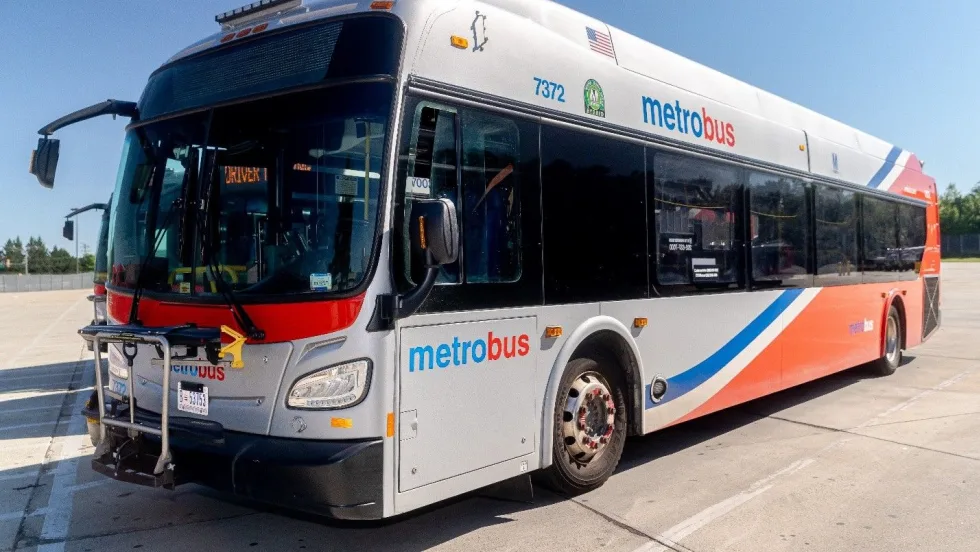
Biz Briefs: New Flyer Secures Additional 100-Bus Order from WMATA and More
In METRO's latest installment, we also take a look at recent news from Masabi, MCI, Samsara, and more partnerships making headlines across the transportation sector.
Read More →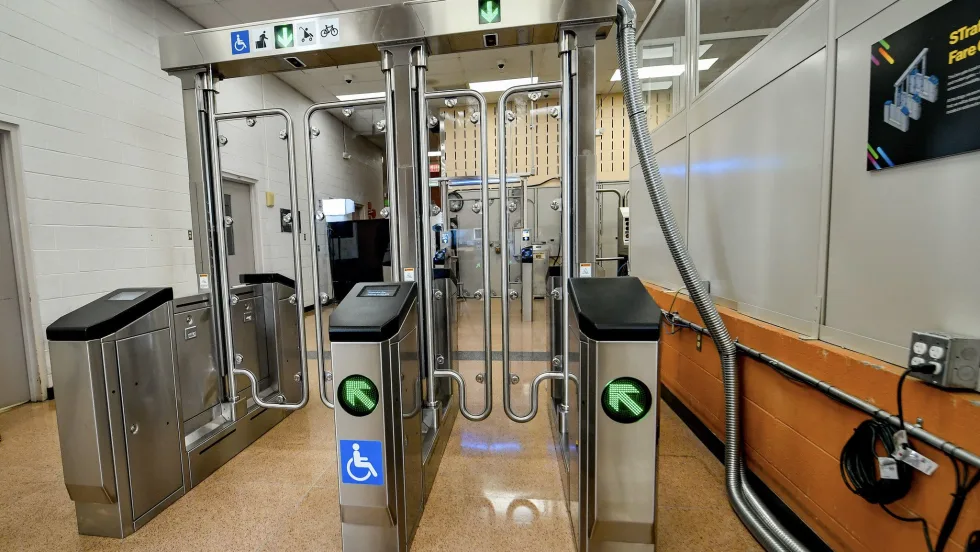
MTA Fare Gate Pilot Reduces Fare Evasion by 35%
Following a 20-station pilot, the agency plans to install new fare gates at 20 additional subway stations as part of a $1.1 billion modernization initiative.
Read More →
California Law Extends AC Transit’s Bus Lane Camera Enforcement
The new law allows AC Transit to continue using forward-facing bus cameras to enforce parking violations in bus-only lanes and at bus stops.
Read More →