



Biz Briefs: Zonar, May Mobility, and More
Biz Briefs covers the latest supplier news in the motorcoach and public transit industries.

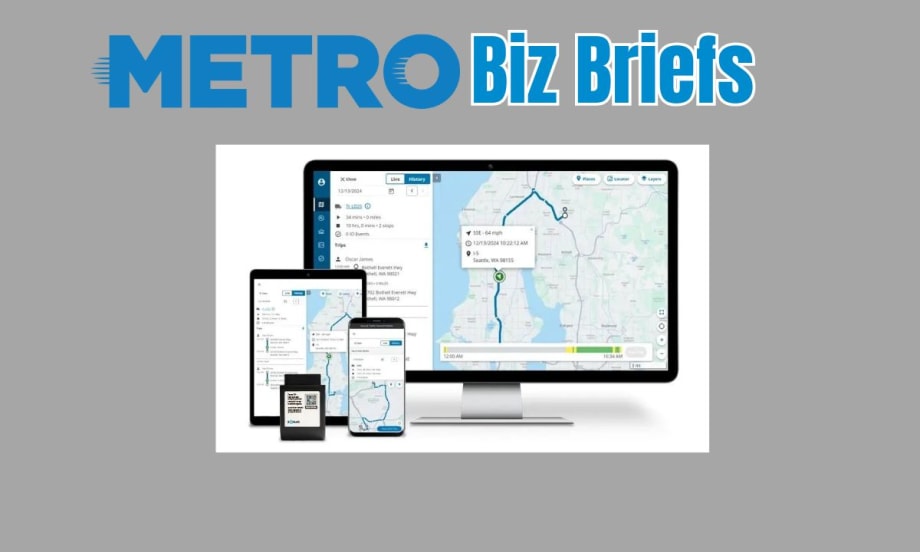
With advanced telematics capabilities, faster installation, and expanded vehicle coverage, Zonar's new iteration empowers fleet operators to optimize operations while continuing to prioritize strengthening efficiency, safety, and performance.
Photo: Zonar
Biz Briefs covers the latest supplier news in the motorcoach and public transit industries.
In METRO's latest installment, we take a look at the latest news from suppliers including Zonar, RTA, and May Mobility.
Zonar Releases Next-Gen Telematics Control Unit
Zonar released its next generation Zonar LD Telematics Control Unit (TCU), delivering more comprehensive and faster vehicle intelligence and security data to meet the broadening demands of fleets.
With advanced telematics capabilities, faster installation, and expanded vehicle coverage, the new iteration empowers fleet operators to optimize operations while continuing to prioritize strengthening efficiency, safety, and performance.
Enhanced features introduce key improvements for a better user experience:
Faster installation: Calibrate and sync in as little as two minutes to get on the road faster.
Enhanced over-the-air updates: Receive device performance enhancements, including expanded vehicle, engine control module (ECM), odometer and diagnostic trouble code (DTC) coverage more quickly and efficiently.
Expanded vehicle coverage: Benefit from increased support for a broader range of vehicle models and types.
Towing detection: Gain visibility into towing events for added security and situational awareness.
Cold start event tracking: Detect soft or hard reboots to better identify device tampering to improve the security of fleet vehicles and technology assets.
May Mobility Partners to Introduce Autonomous Minibus Platform
May Mobility and Tecnobus, an established European electric minibus manufacturer, introduced a new autonomous minibus platform, allowing May Mobility to offer further flexibility to fleet operators and transit agencies across domestic and international markets.
Working with Tecnobus, the new autonomous EV minibus will seat up to 30 passengers and include wheelchair accessibility, enhancing May Mobility's mobility-as-a-service (MaaS) offerings and advancing sustainable transportation.
Key features of May Mobility's new autonomous minibus platform include:
Scalability for mixed fleets: Designed for urban transit, corporate campuses, airports, planned communities, and more.
International reach: Homologated for use in Europe and Canada, unlocking new markets in addition to U.S. site deployments.
Sustainability: Fully electric with swappable batteries minimizing downtime and related energy waste.
Performance: Accommodates up to 30 passengers and reaches speeds of 45 miles per hour.
Leveraging May Mobility's patented Multi-Policy Decision Making (MPDM) technology, the first autonomous minibuses are expected to be road-ready in the first half of 2026, with deployments slated for later that year.
RTA Surpasses $240M in Client Savings
RTA: The Fleet Success Company announced that since Josh Turley, grandson of founder Ron Turley, took over as CEO in 2017, RTA’s software and consulting services have helped clients save over $240 million, far exceeding its original company-wide goal of $100 million in client savings.
The savings metrics reported by RTA stem from a comprehensive time and cost analysis conducted from 2017 to 2024 across its entire customer base.
The platform enables fleets to streamline service requests, automate preventive maintenance schedules, and manage work orders more efficiently — all contributing to significant productivity improvement and cost savings.
The client savings measured by the use of RTA’s software are rooted in four key areas:
Shop Management (64%) – Primarily driven by paperless operations.
Parts Management (18%) – Efficient inventory tracking and usage.
Warranty Management (12%) – Maximizing warranty recovery opportunities.
Fuel Management (6%) – Enhanced tracking and cost control.
More Technology
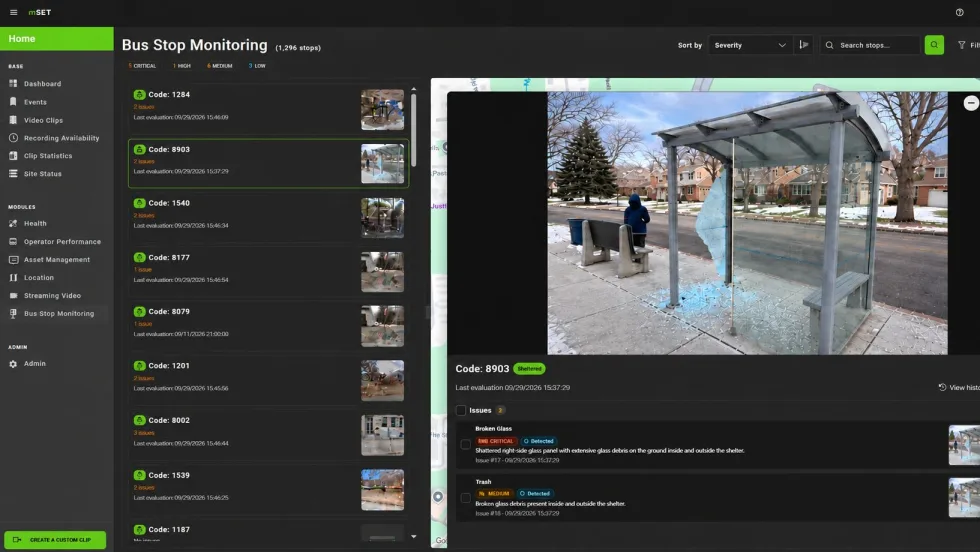
Biz Briefs: Luminator Launches AI Technology to Monitor Bus Stop Conditions and More
In METRO's latest installment, we also take a look at recent news from Masabi, Troman Industries, ioki, CCW, and more partnerships making headlines across the transportation sector.
Read More →
Public Transit Conference Returning to GFX in 2027, Call for Papers Now Open
The Call for Papers is now open, allowing transit agency professionals and industry experts to help shape the PTC educational program by submitting session ideas for consideration.
Read More →
ENC Lands MATA Contract and More in Biz Briefs
In this edition of Biz Briefs, we spotlight the latest developments shaping the future of mobility.
Read More →

Strada360’s Steve Lassey on Turning Transit Data Into Better Decisions
From breaking down data silos to preparing for AI, Strada360 CEO Steve Lassey discusses how transit agencies can use technology to improve operations, customer information, and long-term decision-making.
Read More →
Almaviva Looks to Open Architecture to Advance Transit Technology
Eric Reese discusses how interoperability, open architecture, and modular design can help transit agencies control costs, reduce vendor lock-in, and upgrade technology without starting over.
Read More →
Driving Smarter Paratransit
John Hanlon shares how AlphaRoute is leveraging AI-powered technology to help paratransit providers optimize operations, support frontline staff, and enhance the rider experience.
Read More →
From Hardware to Digital Partner: Luminator Charts Its Next Chapter
CEO Magnus Friberg discusses Luminator’s shift toward becoming a digital partner, the growing importance of software and interoperability, and how AI can help agencies improve operations and passenger experience.
Read More →
Beyond the Checklist: A Structured Approach to Transit Maintenance
Reliability-Centered Maintenance helps transit agencies move beyond routine checklists to focus limited resources on the assets and failures that have the greatest impact on safety, reliability, and service.
Read More →
NJ TRANSIT Advances Bus Technology Upgrades Across Statewide Fleet
More than 1,500 buses now feature upgraded technology designed to improve arrival predictions and provide free Wi-Fi, with deployment expected to reach nearly 2,000 buses by the end of 2026.
Read More →
Building a Flexible Path to Transit Electrification
John Hroncich discusses BAE Systems’ modular and scalable approach, lessons learned from decades of real-world operations, and how agencies can identify electrification strategies that fit their fleets.
Read More →