How Transit Fleets Can Navigate New Emissions Standards
To make an impactful difference in reducing emissions across metro and commercial driving industries, fleets, and adjacent industries need to make intentional updates to processes, technology, and teams.
by Greg Colvin
October 11, 2024
Telematics technologies are critical to gathering good data about fuel consumption, idle times, tire pressure, and other emissions-related data.
While it’s unrealistic to transition all buses to zero-emission vehicles now, this means existing internal combustion engine (ICE) bus fleets must set realistic timelines and targets for reducing existing emissions and prepare for replacing diesel with electric vehicles.
The California Air Resources Board (CARB) is also implementing its Clean Truck Check program, which aims to reduce smog-forming and carcinogenic air pollutants produced by all commercial vehicles that travel through California.
CTC regulatory-required vehicles, including transit vehicles and motorcoaches, will undergo testing twice per year starting in January 2025 and four times per year starting in 2027.
To make an impactful difference in reducing emissions across metro and commercial driving industries, fleets, and adjacent industries need to make intentional updates to processes, technology, and teams. All of which takes considerable time and investment.
But now is the time to analyze the fleet’s progress and timeline for EV adoption — consider checkpoints that will help the fleet realistically reach the 2032 goals and plan for how to address charging and driving range needs as routes and staffing are planned.
Plan for EV charging infrastructure options that span at-work facilities, at-employee homes, and/or public access points.
Modern smart mobility solutions can also provide data critical to identifying charging inefficiencies and real-time awareness of each EV’s range and charging status.
Start by making small investments in EV vehicles and charging stations. Then, increase those investments over time.
Not only will this help fleets meet the standards set by the EPA and CARB, but the investment in electric and hybrid vehicles now will reduce costs later.
Ad Loading...
With low-cost overnight charging, reduced costs and downtime for maintenance due to fewer parts and fewer fluids, and additional savings on energy costs, electric and mixed vehicle fleets can have a lower total cost of ownership (TCO) than diesel-fuel vehicles.
McKinsey estimates that by 2030, electric fleets will have a 15% to 25% lower TCO.
As fleets work toward long-term EV adoption, evaluating routes driven, total mileage, and idle time can also play a role in reducing emissions.
Optimize routes so drivers take the most efficient path, avoid any overlaps or duplication between drivers, and reduce idle time between routes to maximize fuel use and reduce emissions.
We all have the common goal of a cleaner environment and safer roads, but we must have an open line of communication between owner-operators/fleet managers and the other involved parties to make this a reality.
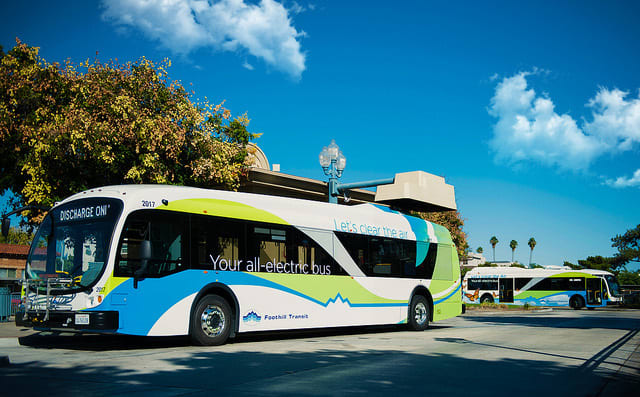
Photo: Foothill Transit
Leverage Telematics Data for Emissions Insights
Telematics technologies are critical to gathering good data about fuel consumption, idle times, tire pressure, and other emissions-related data.
Ad Loading...
For example, fleets can leverage telematics data to measure drivers’ efficiency based on their specific vehicle and route variables, and identify trends and driving habits that waste fuel.
This can highlight issues like low tire pressures before they impact emissions-related data. Tire pressure monitoring systems identify incorrect tire pressures, which the US Department of Energy says can reduce fuel efficiency up to 3%.
Predictive maintenance and diagnostic platforms also help fleets better manage the health and safety of ICE and EV vehicles by getting ahead of issues and scheduling maintenance upkeep before they become critical and costly repairs or replacements track.
Additionally, technology like on-board diagnostic systems (OBD) can automatically perform scans and send the data over the air, helping to meet the requirements of CARB and other emissions-related regulations.
Create a Culture of Sustainability and Collaborate with Key Stakeholders
Engaging staff in the mission to reduce GhG emissions is key.
Ad Loading...
Fleets can provide awards for efficiency-focused driving behaviors with clear and meaningful goals for accountability and emissions reduction. Investing in staff training and tools is evidence of a culture of sustainability that comes from the top,
Remember, reduced emissions aren’t the responsibility of the transit industry, alone. It will require coordination and collaboration across multiple industries, including manufacturing, educational institutions — community, state, and technical colleges — industry associations, and legislators.
We all have the common goal of a cleaner environment and safer roads, but we must have an open line of communication between owner-operators/fleet managers and the other involved parties to make this a reality.
This means increased production of EVs, real investment in charging infrastructure, alternative fuel and emissions reduction strategies, realistic EV adoption goals, and integration of telematics-based solutions to help manage and maintain the health and safety of mixed and EV fleets. This will enable cross-industry support for the transition from start to finish.
Time is short, so metro fleets must take proactive steps now to reduce their environmental impact and maintain compliance with regulations.
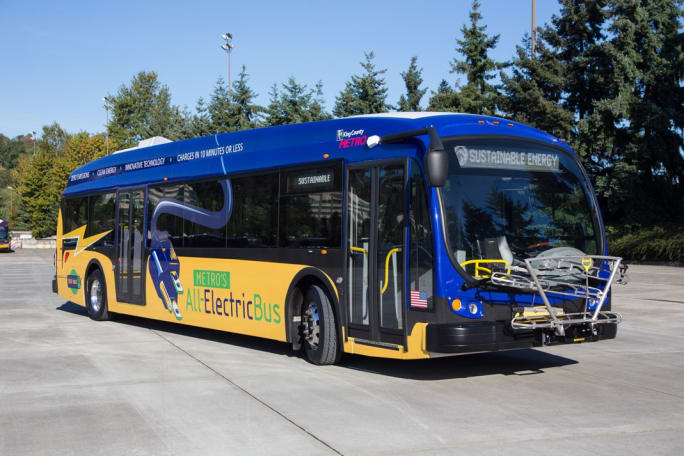
Photo: King County Metro
Meeting Emissions Compliance and Preparing for a More Sustainable Future
Time is short, so metro fleets must take proactive steps now to reduce their environmental impact and maintain compliance with regulations.
Ad Loading...
By focusing on optimizing processes, leveraging advanced sensing technologies, and aligning the workforce and industry partnerships with the new goals, transit agencies can meet these new standards and prepare their fleet for the future.
About the Author: Greg Colvin, Senior Director of Solutions Engineering,Zonar
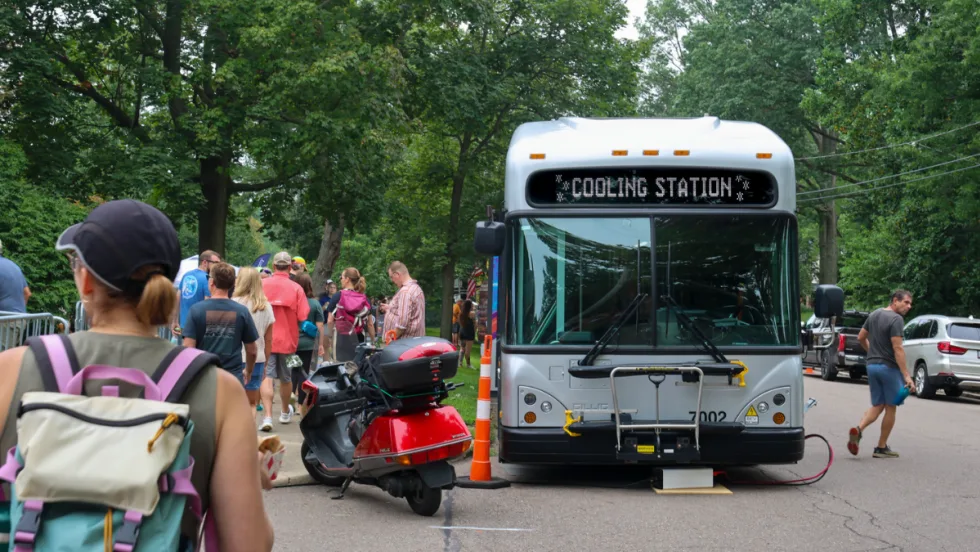
See how three Gillig battery-electric buses powered festival stages while the agency’s new Park & Ride service carried approximately 1,000 attendees, demonstrating another potential use for transit agencies’ electric fleets.
The new name represents a renewed vision for the nonprofit focused on advancing clean, equitable, and affordable transportation solutions that move people and goods.
John Hroncich discusses BAE Systems’ modular and scalable approach, lessons learned from decades of real-world operations, and how agencies can identify electrification strategies that fit their fleets.
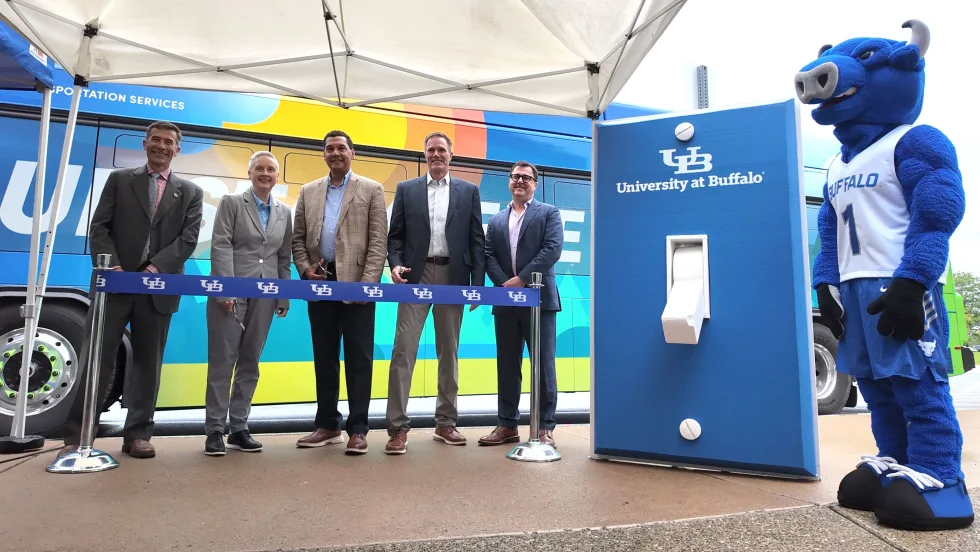
UB, transportation solutions provider WeDriveU, and fleet electrification specialist Zenobē marked the deployment in the presence of students, university administrators, and local officials.
From manufacturers and suppliers to transit agencies and motorcoach operators, these updates offer a snapshot of the projects, partnerships and business moves driving the industry forward.
The agency’s maintenance chief discusses leadership, workforce development, zero-emission technology, and preparing technicians for the future of public transportation.
The firm will work with CTDOT and RVT to define the facility layout, operational requirements, and long-term flexibility for RVT’s growing electric fleet.
The fast-charging infrastructure will help extend electric bus range, improve fleet utilization, and support DASH's goal of transitioning to a fully zero-emission fleet.