



California's OCTA Successfully Delivering on Commitment, Review Finds
The assessment, covering the period from July 2021 to June 2024, was conducted by Sjoberg Evashenk Consulting and evaluated OCTA’s efficiency, effectiveness, and compliance in delivering transportation improvements funded through the half-cent sales tax initiative.

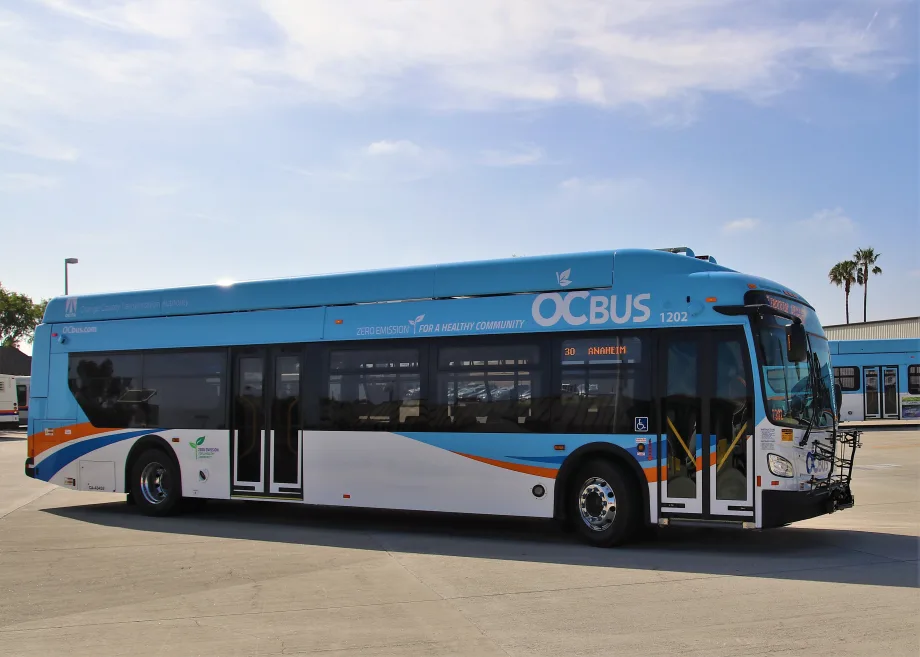
The report confirms that OCTA remains on track to fulfill its long-term commitments, having already delivered more than half of the program’s pledged projects since the renewed measure officially went into effect in 2011.
Photo: OCTA
California’s Orange County Transportation Authority (OCTA) remains on track in the ongoing effort to successfully deliver the promises made to voters to improve Orange County’s transportation network, according to the recent findings of an independent Measure M2 Performance Assessment.
The assessment, covering the period from July 2021 to June 2024, was conducted by Sjoberg Evashenk Consulting and evaluated OCTA’s efficiency, effectiveness, and compliance in delivering transportation improvements funded through the half-cent sales tax initiative.
Measure M at Work
Measure M was first approved by voters in 1991 and overwhelmingly renewed in 2006. It is expected to result in approximately $14 billion investments in Orange County’s transportation system through 2041, making improvements to local freeways and streets and to transit.
The report confirms that OCTA remains on track to fulfill its long-term commitments, having already delivered more than half of the program’s pledged projects since the renewed measure officially went into effect in 2011.
“The findings of this independent review reflect OCTA’s commitment to smart and responsible investments in Orange County’s transportation infrastructure,” said OCTA Chair Doug Chaffee, also Orange County’s Fourth District Supervisor. “Measure M continues to make a real difference in improving mobility, and we will continue to implement best practices to ensure efficiency, transparency, and fiscal prudence.”
Key Findings from the Performance Assessment
The report found that OCTA continues to make substantial progress toward meeting the measure’s six overarching goals, which include relieving traffic congestion, improving streets and freeways, expanding transit options, and protecting the environment.
OCTA was recognized for strong program management practices, ensuring that projects are delivered efficiently while safeguarding public funds.
The agency was commended for maintaining sound fiscal practices, leveraging state and federal dollars efficiently, and successfully adapting to economic fluctuations.
The assessment also found that OCTA fully complies with all requirements outlined in the measure, including maintaining strict oversight of sales tax expenditures and conducting annual eligibility assessments for local jurisdictions.
Additionally, OCTA was praised for its ongoing commitment to transparency and accountability in its communication with the Board of Directors, the Taxpayer Oversight Committee, and the public.
Ongoing Improvements, Recommendations
While no major deficiencies were identified, the consultant provided four recommendations for continued enhancement:
Increasing clarity when updating project schedules and cost estimates.
Improving documentation regarding vendor selection processes.
Updating administrative policies to streamline the notice-to-proceed process.
Faster processing of vendor payments to maintain efficiency.
OCTA has already taken steps to address these areas and will provide implementation updates in its quarterly reports on the Measure M program.
Since voters renewed Measure M in 2006, OCTA has conducted regular independent performance assessments every three years to ensure accountability. This sixth assessment continues the trend of positive reviews, reinforcing the agency’s commitment to fulfilling the promises made to Orange County voters.
More Management

Bringing Austin’s First Light Rail System to Life
Austin Transit Partnership CEO Greg Canally discusses the city's nearly 10-mile light rail project, its collaborative approach to project delivery, the importance of community engagement, and the milestones ahead as construction approaches in 2027.
Read More →
ETA CEO John Maglio on Transit Technology, Innovation, and Building Agency Trust
ETA founder and CEO John Maglio explores the evolution of transit technology, the importance of reliable systems, and how stronger partnerships can help agencies improve operations and the passenger experience.
Read More →
Metra Draft Plan Outlines Costs, Service Improvements for Regional Rail
The Systemwide Network Plan identifies infrastructure needs and potential investments to expand all-day, bidirectional rail service across the Chicago region.
Read More →
New Orleans RTA Names Augustine III as New CEO
In this edition, we also spotlight recent personnel moves at HDR, PATH, STV, and more, highlighting the people taking on new roles across the transportation industry.
Read More →
How Transit Agencies Are Using Free Rides to Improve Voting Access
Transit agencies are using fare-free service, trip-planning tools, and targeted rides to improve voting access. See what other agencies can learn from these efforts.
Read More →
Caltrain’s Electrification Drives a New Era of Ridership Growth
The railroad’s shift to electric service has brought more frequent trains, stronger customer satisfaction, and increased ridership, earning it APTA’s Outstanding Public Transportation System award.
Read More →
Chicago, Charlotte Transit Agencies Expand Rider Support Programs
CTA launched crisis intervention teams as CATS prepares to deploy fare ambassadors, expanding customer assistance and security efforts across both systems.
Read More →
New York MTA Launches Historic $1.9B Signal, Track Modernization Project
Funded in part by congestion pricing revenue, the project will replace nearly century-old signals along the A and C lines in Brooklyn and Queens.
Read More →
Brian Dickson on Building Stronger, More Resilient Transportation Organizations
Bus Business Consultants Founder Brian Dickson discusses the leadership principles, operational discipline, and strategic planning that separate transportation companies positioned for long-term success from those stuck in survival mode.
Read More →
LA Metro Breaks Ground on Vermont BRT Project
The 12.4-mile corridor is projected to serve 66,200 daily riders, reduce travel times by up to 24%, and create the nation's busiest bus rapid transit corridor.
Read More →