



Biz Briefs: Clever Devices, Sener, and More
Biz Briefs covers the latest supplier news in the motorcoach and public transit industries.

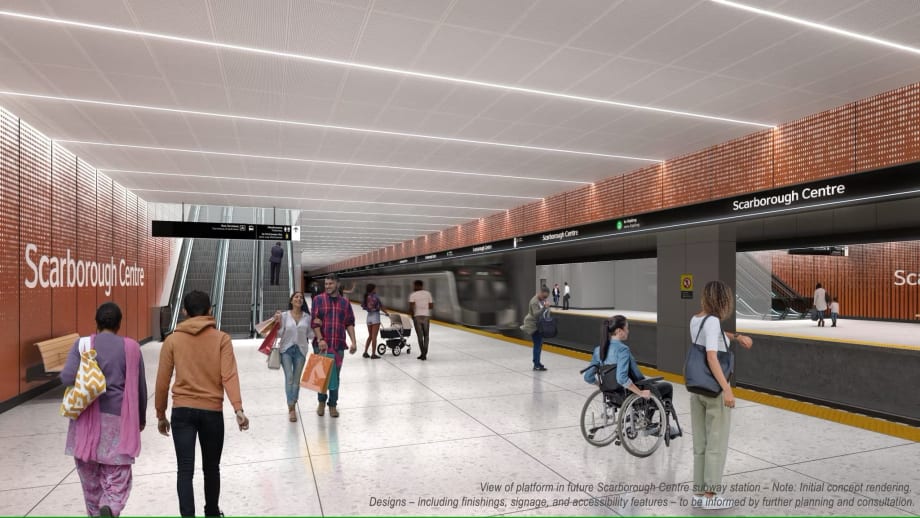
In the project’s implementation phase, Sener will design key elements including station architecture, structural and electromechanical systems, geotechnics, ventilation, electrification, train control, communications, landscaping, and utilities.
Photo: Sener

In METRO's latest installment, we take a look at the latest news from suppliers including Clever Devices, Modeshift, and more.
Photo: METRO
Biz Briefscovers the latest supplier news in the motorcoach and public transit industries.
In METRO's latest installment, we take a look at the latest news from suppliers including Clever Devices, Modeshift, and more.
Clever Devices, Transit App to Bring Real-Time Detour Alerts to Riders
Clever Devices has partnered with the Transit app to deliver real-time detour and service disruption updates to riders using the GTFS-RT Trip Modifications standard — a first for the industry, according to the company.
The enhancement allows agencies like Santa Cruz METRO, Pierce Transit, Kitsap Transit, NORTA, and GRTC to display live detour information, stop relocations, and route changes directly in the Transit app, improving clarity and reducing rider confusion.
Key benefits include improved rider communication, enhanced agency messaging via Clever’s GTFS-RT feed, and a continued push for open data transparency. The initiative builds on Clever’s BusTime detour visibility tools and is part of an ongoing collaboration to refine service prediction accuracy and elevate the passenger experience.
Modeshift Launching New Fare Payment System in Pennsylvania
Hermitage, Pa.’s Shenango Valley Shuttle Service, operated by the Mercer County Regional Council of Governments (COG), is launching a new Modeshift digital fare payment platform designed to bring convenience and flexibility to riders across the Shenango Valley.
The third-generation fare collection system introduces contactless mobile payments and ticketing, allowing riders to pay and board with a smartphone tap.
Riders can now use a free app to purchase fares and validate their trip by scanning a QR code onboard. While the mobile system marks a significant step forward in transit modernization for the region, cash payments will still be accepted on all Shenango Valley Shuttle Service routes to offer riders flexible payment options.
Sener to Lead Detailed Design for Toronto Subway Line 2 Extension
Sener has been tapped to lead the detailed design work for the extension of Toronto’s Line 2 subway into Scarborough. Metrolinx and Infrastructure Ontario awarded the contract to the Aecon–FCC Canada Limited consortium.
In the project’s implementation phase, Sener will design key elements including station architecture, structural and electromechanical systems, geotechnics, ventilation, electrification, train control, communications, landscaping, and utilities. The firm will also oversee integration and safety certification.
The extension aims to provide a faster, more sustainable transit link between Scarborough and downtown Toronto. With an expected 105,000 daily riders — 52,000 of whom will be new subway users — it will help cut greenhouse gas emissions by up to 10,000 tons annually.
Developed under a Progressive Design and Build model, the project emphasizes collaboration and risk mitigation. Sener has been involved from the early stages, supporting the consortium’s successful bid and contributing to the preliminary design phase.
STV Selected to Lead Expansion, Safety Project in New Jersey
The New Jersey Department of Transportation (NJDOT) has selected STV to deliver design and construction engineering services for a congestion relief and safety improvement project along a two-mile stretch of Route 73 in Evesham Township, N.J., between Mileposts 21.9 and 23.9. This section of the highway currently experiences significant traffic bottlenecks due to inadequate capacity.
The project will expand Route 73 by adding a through lane in each direction and upgrading signalized intersections to improve traffic flow and safety.
It also includes the construction of eight-foot shoulders for emergency access, installing new sidewalks to close gaps in the pedestrian network, and adding ADA-compliant curb ramps to enhance accessibility and safety for all users, including pedestrians and bicyclists.
More Technology

From Hardware to Digital Partner: Luminator Charts Its Next Chapter
CEO Magnus Friberg discusses Luminator’s shift toward becoming a digital partner, the growing importance of software and interoperability, and how AI can help agencies improve operations and passenger experience.
Read More →
Beyond the Checklist: A Structured Approach to Transit Maintenance
Reliability-Centered Maintenance helps transit agencies move beyond routine checklists to focus limited resources on the assets and failures that have the greatest impact on safety, reliability, and service.
Read More →
NJ TRANSIT Advances Bus Technology Upgrades Across Statewide Fleet
More than 1,500 buses now feature upgraded technology designed to improve arrival predictions and provide free Wi-Fi, with deployment expected to reach nearly 2,000 buses by the end of 2026.
Read More →

Building a Flexible Path to Transit Electrification
John Hroncich discusses BAE Systems’ modular and scalable approach, lessons learned from decades of real-world operations, and how agencies can identify electrification strategies that fit their fleets.
Read More →
Biz Briefs: Alstom Lands Canadian Contract, LYT to Supply California TSP, and More
In METRO's latest installment, we take a look at recent news from Complete Coach Works, Beep, FlixBus, and more partnerships making headlines across the transportation sector.
Read More →
From Legacy Silos to Conversational Intelligence
What if transit leaders could ask any operational question and get a trusted answer in seconds? Conversational AI is transforming how agencies use their data.
Read More →
USDOT Announces Rail Vehicle Replacement Grants, Chattanooga AV Shuttle Funding
More than $191 million in federal funding will help three transit agencies replace aging rail vehicles and support a new autonomous shuttle service in Chattanooga.
Read More →
Bus Tech Talk: Keeping Transit Technicians Ahead of the Technology Curve
LA Metro’s Obed Mejia discusses technician training, evolving maintenance technology, fleet replacement, and strategies for getting the most out of today’s transit fleets.
Read More →
Biz Briefs: RIPTA Unveils New Frontrunners, Clevland RTA Adds New Siemens, and More
In METRO's latest installment, we take a look at recent news from Siemens, Prevost, Dodge, and more partnerships making headlines across the transportation sector.
Read More →
Why Simulating Pedestrian Movement Has Become Essential for Modern Rail Stations
Pedestrian microsimulation is helping rail planners identify bottlenecks, test station designs, and prepare complex transit hubs for growing passenger volumes.
Read More →